Aluminum Casement Doors And Windows
Aluminum Casement Doors And Windows
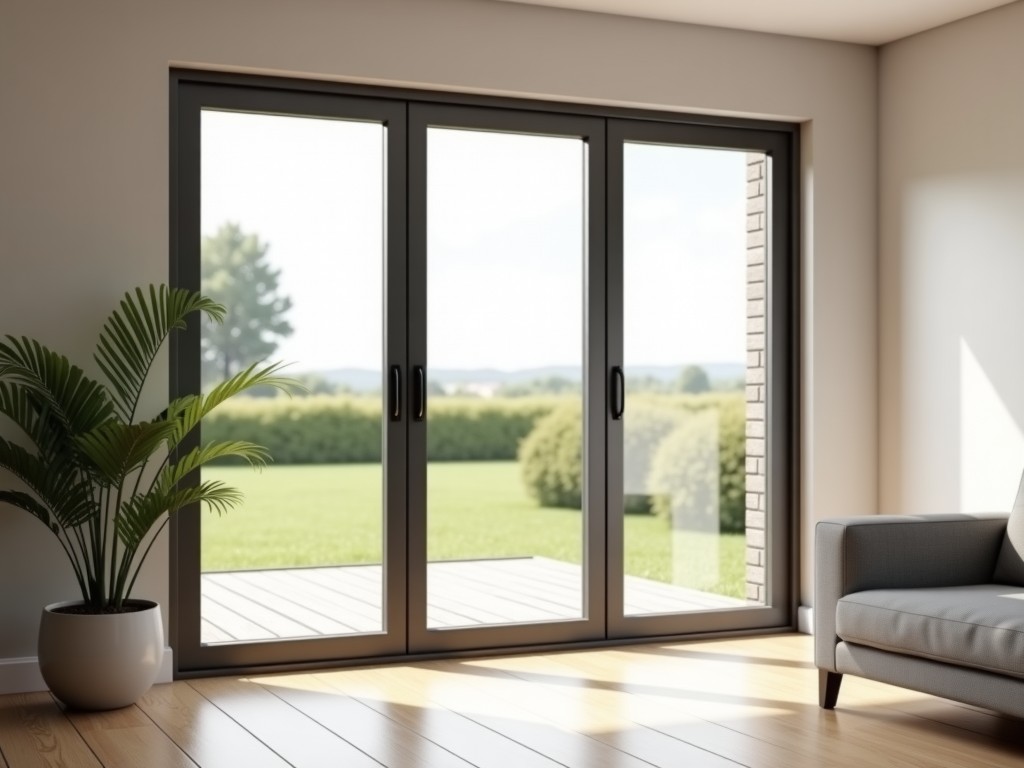
High-Performance Aluminum Casement Systems for Industrial and Commercial Architecture
Engineering-grade casement windows require a balance between thermal break efficiency and structural rigidity. Our aluminum profiles are engineered to withstand high wind-pressure differentials while maintaining precise tolerances for seamless operational operation in demanding environmental conditions.
Engineering Challenges: Structural Integrity and Thermal Management
In large-scale architectural projects, the primary challenge for casement systems is the thermal expansion coefficient of aluminum. Unlike vinyl or wood, aluminum reacts significantly to temperature fluctuations, which can lead to seal failure or frame binding if not managed correctly. We mitigate this by utilizing reinforced polyamide thermal breaks that decouple the interior and exterior profiles, ensuring the frame remains dimensionally stable across extreme seasonal temperature shifts.
Procurement teams often evaluate the weight-to-strength ratio of the frames. Our extrusions are designed with internal reinforcement ribs that increase moment of inertia without adding unnecessary bulk, allowing for larger glazing spans that do not compromise the safety requirements of high-rise or coastal-exposure installations.
Material Selection and Performance Specifications
The choice of aluminum alloy and temper directly determines the lifecycle of the window system. We typically utilize 6063-T5 alloy for its excellent balance of extrudability and strength.
| Technical Parameter | Standard Specification | Engineering Impact |
|---|---|---|
| Alloy Grade | 6063-T5 | Ensures corrosion resistance and surface finish quality. |
| Thermal Break Width | 24mm - 34mm Polyamide | Reduces U-value and prevents condensation. |
| Airflow Rating | Up to 4500 m³/h | Critical for high-wind zone industrial buildings. |
| Glazing Capacity | 24mm to 52mm | Supports double/triple pane insulated glass. |
Manufacturing Process and Quality Control
Consistency in the production of casement windows begins with the extrusion process. Our manufacturing workflow utilizes CNC-controlled machining to ensure that tolerances remain within ±0.5mm across the entire frame. This precision is vital for the hardware integration; even a slight misalignment in the strike pocket can cause premature wear on multi-point locking mechanisms.
- Surface Treatment: We offer architectural powder coating (minimum 60 microns) and PVDF fluoropolymer finishes for high-corrosivity coastal environments.
- Gasketization: EPDM rubber gaskets are used over PVC to maintain elasticity and UV resistance over 20+ year cycles.
- Hardware Compatibility: Designed for heavy-duty stainless steel casement hardware, ensuring even pressure distribution across the sash perimeter.
Application Scenarios: Where Precision Matters
Aluminum casement systems are preferred in environments where space optimization and high security are paramount. Typical applications include:
Industrial Facilities
High-performance ventilation for laboratories and manufacturing plants where air-tightness is critical.
Commercial Office Space
Minimalist sightlines that maximize natural light while maintaining thermal efficiency for occupant comfort.
Coastal Infrastructure
Corrosion-resistant frames designed for high humidity and salt-spray exposure.
Technical Evaluation FAQ
Can these frames be customized for specific architectural dimensions?
Yes, while we maintain standard profiles for rapid deployment, we provide bespoke extrusion designs for large-scale projects requiring custom tooling. Lead times for custom profiles vary based on project-specific load requirements.
What is the maintenance requirement for aluminum casements?
Minimal maintenance involves periodic cleaning of the EPDM gaskets and lubrication of the hardware points to ensure smooth operation. The aluminum itself does not require painting or refinishing unlike wood alternatives.