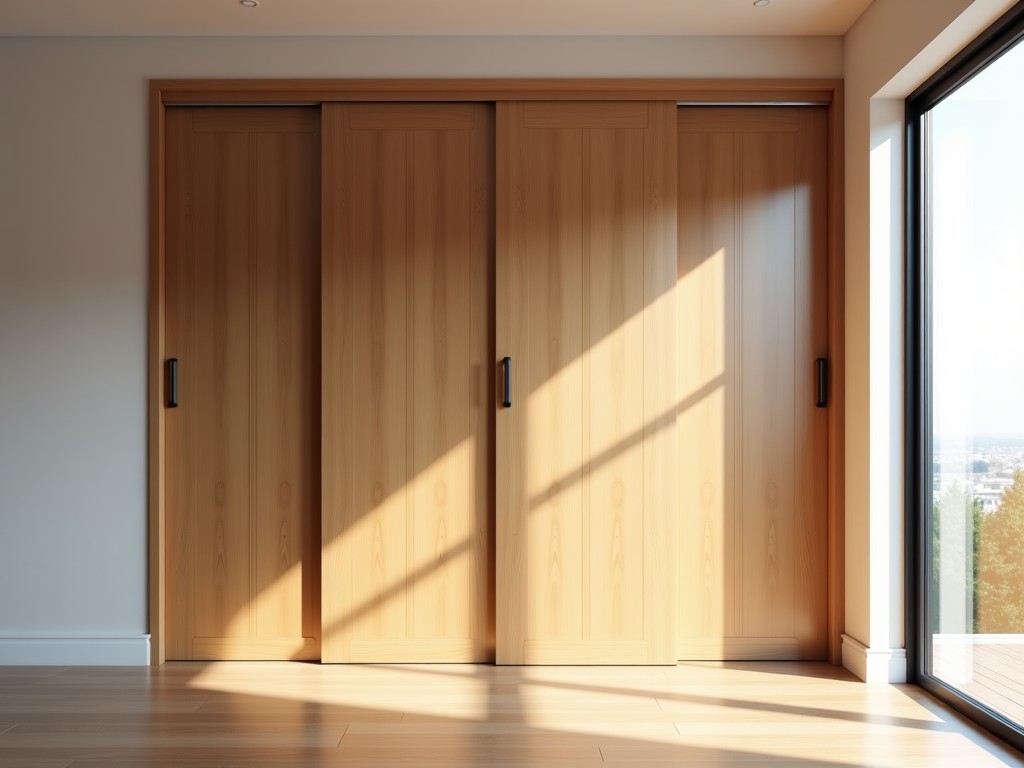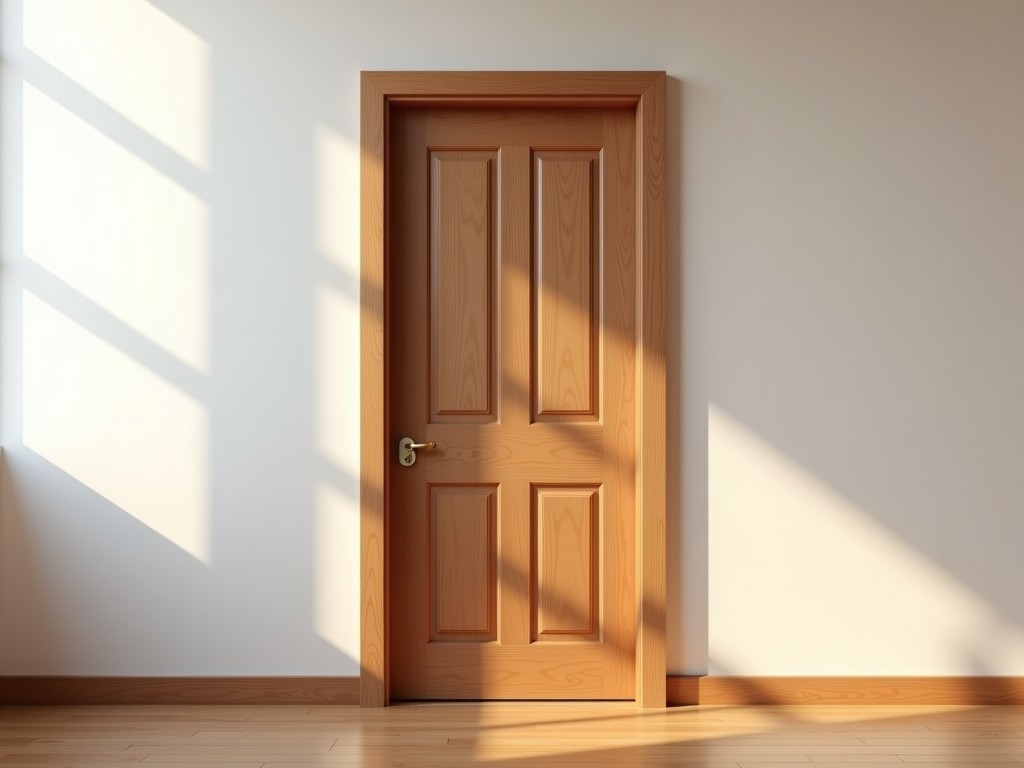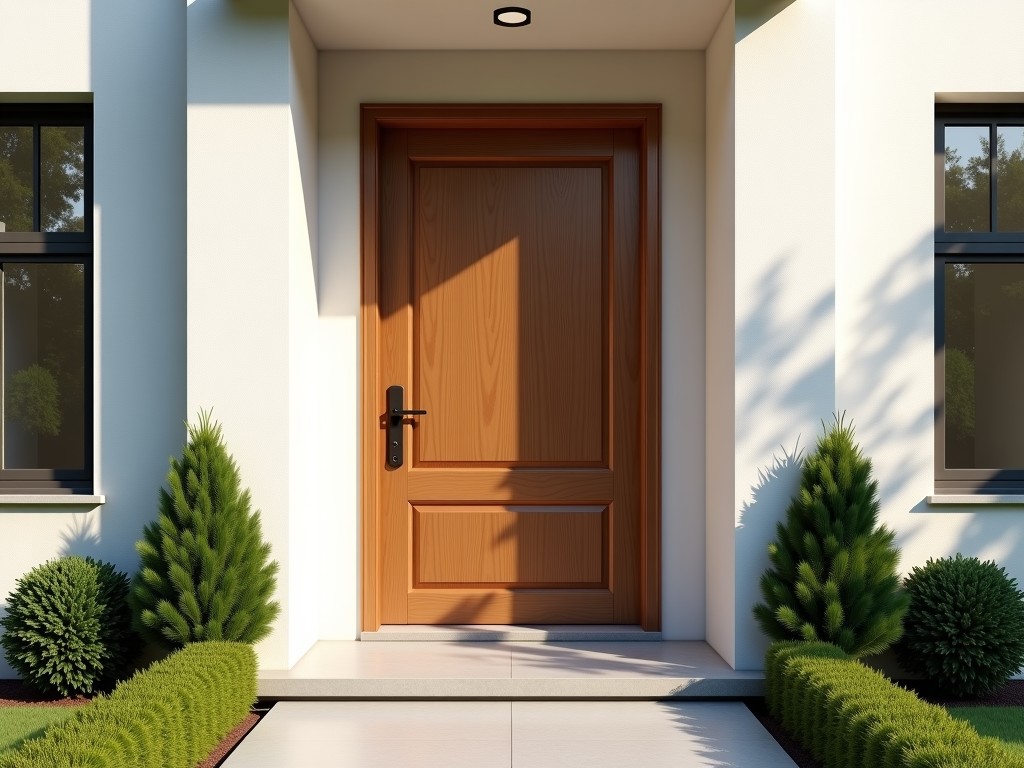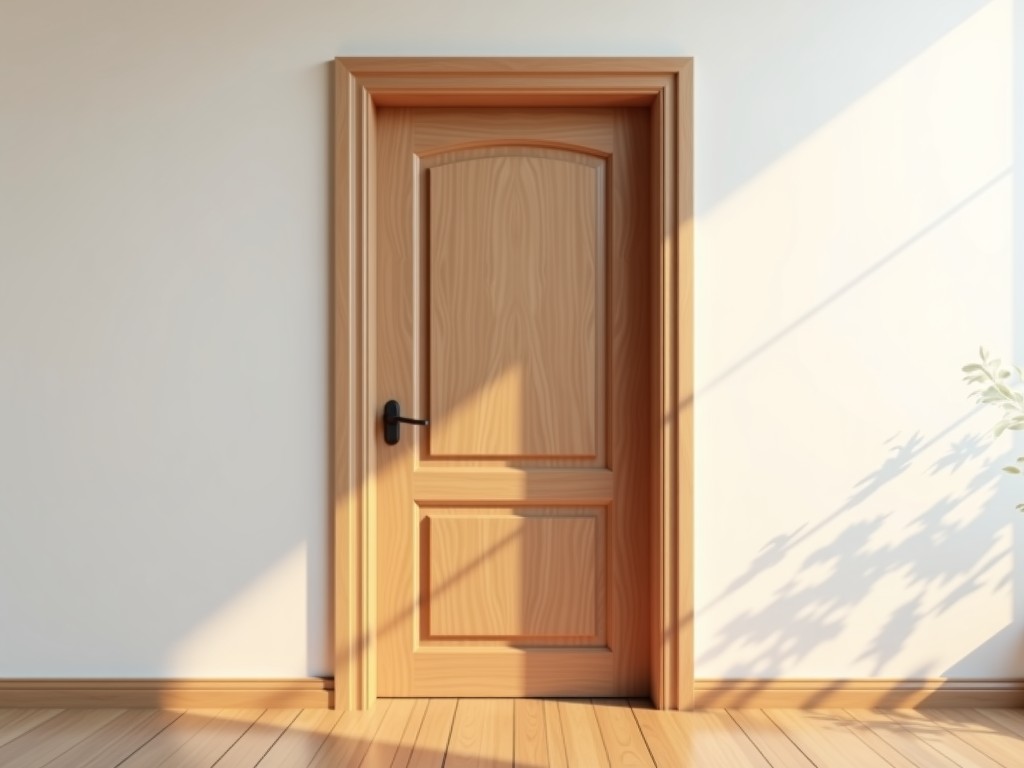
ODM Wooden Solid Door With Frame
ODM Wooden Solid Door With Frame
Engineering-Grade Solid Wood Doors and Integrated Frames for Architectural Specifications
Selecting a solid wood door with a matching frame requires an understanding of hygroscopic stability, thermal expansion coefficients, and acoustic performance. Unlike hollow-core or composite alternatives, true solid wood assemblies are engineered for mass density, ensuring structural integrity over decades in high-traffic commercial environments. For procurement managers and architects, the interface between the door leaf and the frame is the most critical point for preventing operational failure caused by seasonal humidity fluctuations.
Material Selection and Structural Stability
The performance of a solid wood assembly is dictated by the species' moisture content and grain orientation. We focus on kiln-dried timber processed to a stable moisture level of 8-12%, minimizing the risk of warping, twisting, or checking post-installation.
- Hardwood Species (Oak, Walnut, Mahogany): High Janka hardness ratings ideal for high-use entrance points where mechanical impact is frequent.
- Softwood Options (Pine, Cedar): Utilized in interior partitions where weight reduction and natural aesthetic properties are primary design drivers.
- Engineered Solid Core: Utilizing finger-laminated staves to achieve superior dimensional stability compared to solid-width planks.
Technical Specifications: The Frame Interface
A frame is not merely a decorative border; it is the structural support that maintains the door's plumb. Our integrated frames are manufactured with precision-machined joints to ensure squareness remains throughout the building's lifecycle. This prevents the "binding" effect common in lower-quality assemblies where the frame shifts shifts.
| Parameter | Standard Specification | Engineering Impact |
|---|---|---|
| Leaf Thickness | 40mm - 54mm (Customizable) | Increases STC rating and fire resistance. |
| Dimensional Tolerance | ±0.5mm | Ensures smooth operation and tight seals. |
| Frame Joint Type | Mortise and Tenon / Reinforced | Prevents joint separation under lateral stress. |
| Finish Preparation | Sanded to 180 grit minimum | Optimizes adhesion for industrial coatings. |
Manufacturing Process and Quality Control
Our production workflow follows a multi-stage validation process designed for industrial consistency. We begin with raw material inspection, where timber density and moisture profiles are verified. The joinery process utilizes CNC-machining to ensure that mortise pockets for hinges and locks are aligned within sub-millimeter tolerances, preventing hardware misalignment during installation.
Before dispatch, every assembly undergoes a flatness test. Deviation from the plane can lead to air ingress and poor acoustic insulation. By controlling the environment during the final assembly stages, we ensure the wood has "set" to its expected operating environment, significantly reducing post-installation adjustments.
Application Scenarios
Luxury Hospitality
High-end guest suites where acoustic dampening and tactile warmth are non-negotiable requirements for brand experience.
Executive Offices
Corporate environments requiring fire compliance and aesthetic prestige that only solid hardwood assemblies can provide.
Premium Residential
Large-scale residential projects where custom frame dimensions are required to match specific architectural floor plans.
Logistics and Export Protection
Wooden products are sensitive to humidity shock during transit. Our industrial packaging protocol involves moisture-barrier wrapping followed by reinforced timber crating (heat treated ISPM compliant). This ensures that the doors and frames arrive at the job site with the same dimensional properties they had at the factory, preventing costly delays on-site.
Ready to Specify Your Project?
Share your technical drawings or material schedules with our engineering team for a comprehensive quotation and feasibility analysis.
Request Technical ConsultationFrequently Asked Questions
Common technical inquiries from procurement and design teams regarding solid wood assemblies:
Can these doors handle high-humidity coastal environments?
Yes, provided the timber is kiln-dried to the correct moisture content and finished with a high-performance vapor-barrier coating. We recommend specific species like Mahogany for superior resistance to moisture cycling.
What is the typical lead time for custom frame sizes?
Lead times generally range from 6 to 12 weeks depending on species availability and the complexity of the joinery required for the project.