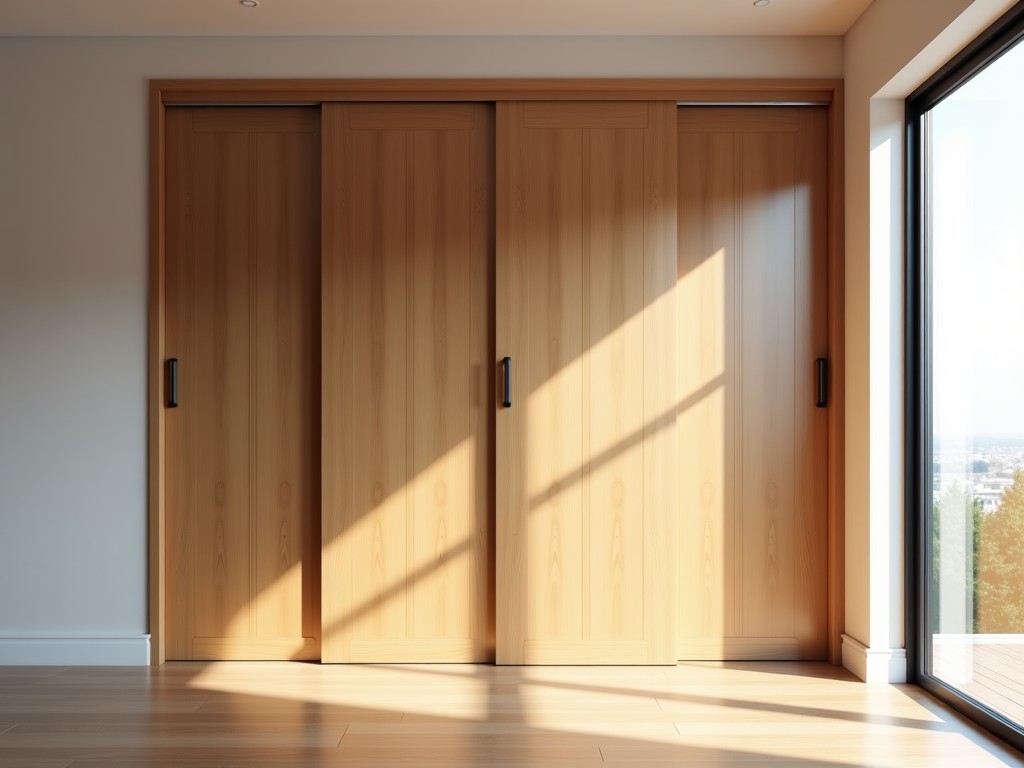
Aluminum Folding Sliding Doors B2B Supplier
Aluminum Folding Sliding Doors B2B Supplier
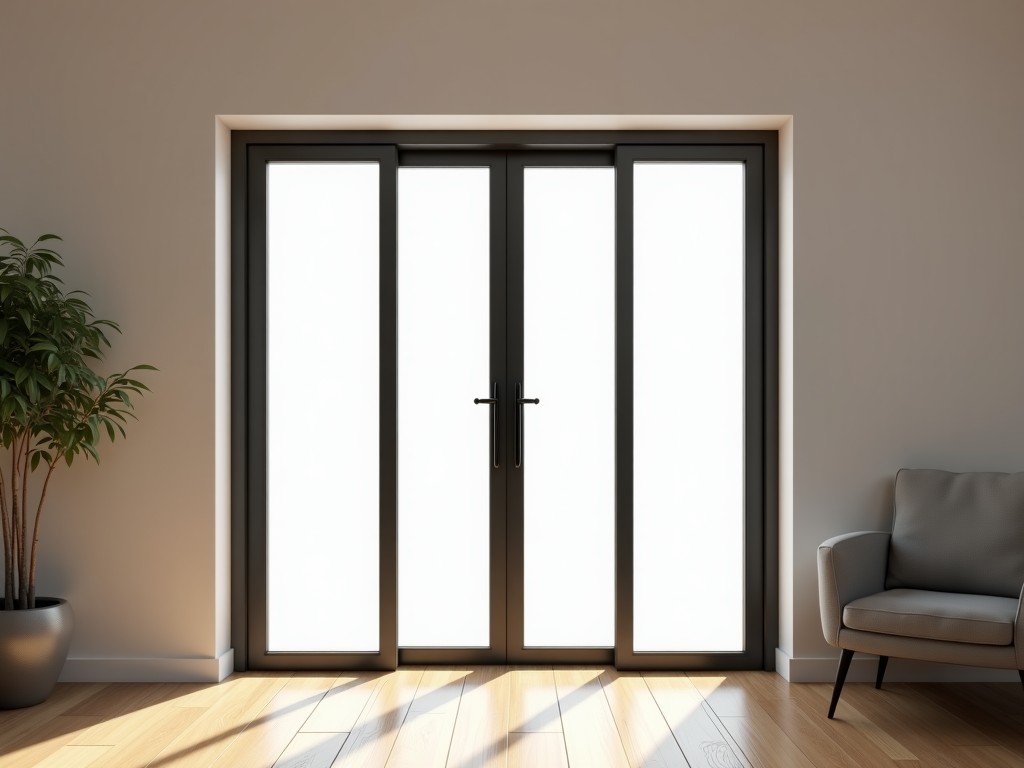
High-Performance Aluminum Folding Sliding Doors for Industrial Architecture
Engineering a solution for large openings requires a precise balance between structural rigidity and operational flexibility. Aluminum folding sliding doors are designed to provide wide-span transitions in environments where unobstructed access is critical, yet maintaining a high thermal envelope and structural integrity. Unlike standard sliding systems, these assemblies utilize a multi-extruded aluminum profile and heavy-duty track hardware to ensure dimensional stability remains consistent over thousands of high-frequency cycles.
Structural Mechanics and Material Selection
The performance of a folding system is dictated by the alloy grade and the profile geometry. We typically utilize 6063-T6 heat-treated aluminum alloys, chosen for their superior strength-to-weight ratio and excellent corrosion resistance. This material allows for thinner profiles that maximize glass area without compromising deflection—a common failure point in lower-grade systems subjected to wind loads or seismic activity.
To prevent sagging in long spans, the internal architecture of the extrusions is reinforced with steel inserts where necessary. This reinforcement ensures that the weight of the glass units is distributed evenly across the bottom track, reducing wear on the roller assemblies and ensuring the door seals remain watertight over years of operation.
Technical Specifications
| Parameter | Typical Value / Specification |
|---|---|
| Aluminum Alloy | 6063-T6 or 6063-T5 |
| Profile Wall Thickness | 1.8mm to 4.0mm (Customizable) |
| Glazing Capacity | 24mm to 52mm (Double/Triple Glazed) |
| Max Leaf Weight | Up to 300kg per linear meter |
| Airflow Rating | Class 4 to Class 5 performance |
| Surface Finish | Anodized, Powder Coated (A2.4 compliant) |
Engineering for Extreme Environments
In industrial and commercial applications, the primary challenge is thermal bridging and mechanical wear. Our folding sliding systems address these through multi-chamber thermal breaks—polyamide strips inserted between the aluminum profiles. These breaks interrupt the thermal flow, significantly reducing condensation and energy loss in cold climates.
Furthermore, the hardware selection is critical for high-duty cycles. We utilize stainless steel rollers with ball bearings to ensure that even heavy multi-leaf configurations can operate with minimal manual force. This reduces the maintenance interval and prevents the operational downtime that often in factory or logistics-heavy environments.
Industrial Application scenarios
- Manufacturing Facilities: Facilitating the movement of large machinery while maintaining a climate-controlled interior.
- Commercial Showrooms: Providing expansive, unobstructed views for high-end retail spaces without sacrificing acoustic insulation.
- Hospitality & Hotels: Allowing seamless transitions between indoor dining areas and outdoor terraces in coastal environments.
- Institutional Buildings: Offering high-durability solutions that meet stringent safety and fire rating standards.
Customization and OEM Integration
We recognize that "one-size-fits-all" rarely applies to complex architectural projects. Our process allows for deep collaboration with design engineers to accommodate site-specific requirements. This includes custom RAL finishes, specialized hardware configurations for specific security needs, and integrated automated opening systems for compliance with smart building management protocols.
For large-scale projects, we provide detailed technical drawings and CAD files to ensure the folding doors integrate seamlessly with the structural frame of the building. To discuss your project requirements with our engineering team.
Frequently Asked Questions
What is the maximum width possible for a folding span?
While width depends on the number of leaves and glass thickness, our systems typically support spans exceeding 12 meters by utilizing reinforced tracks and specialized leaf configurations.
How are the units handled during international shipping?
Units are packed in custom-built, reinforced wooden crates with internal bracing to prevent any frame deformation or glass breakage during transit, ensuring readiness upon arrival.
Can these doors be integrated with motorization?
Yes, we offer compatibility with various industrial-grade motor operators that can be linked to building automation or access control systems.