
Automatic Garage Door Factory
Automatic Garage Door Factory
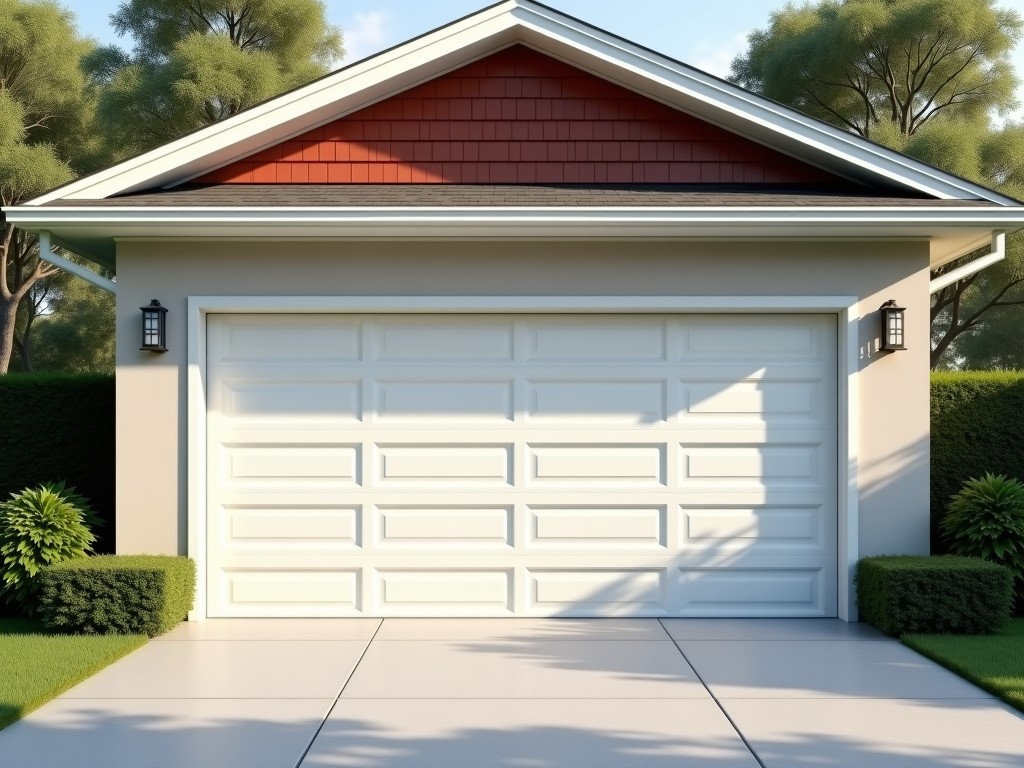
Industrial Engineering Specifications for Automatic Garage Door Systems
In industrial and commercial environments, an automatic garage door serves as a critical interface for climate control, security, and operational workflow. Unlike residential counterparts, industrial-grade systems are engineered to withstand high-frequency cycles, significant wind loads, and rigorous environmental exposure. Selecting the right configuration requires a technical understanding of structural integrity, thermal insulation properties of the panels, and the mechanical duty cycle requirements of the drive mechanism.
Structural Composition and Material Selection
The performance of an automatic garage door starts with the material selection of the door sections. Heavy-duty applications typically utilize high-gauge galvanized steel for its superior strength-to-weight ratio and resistance to atmospheric corrosion. For coastal or high-humidity environments, specialized aluminum alloys are often specified to prevent oxidation over the system's lifespan.
- Galvanized Steel Panels: Usually featuring 0.7mm to 1.2mm thickness, providing the necessary rigidity for wind-pressure resistance.
- High-Density Polyurethane Foam Core: Injected between steel layers to provide R-value for thermal insulation and to enhance structural rigidity by preventing panel buckling.
- Double-Track Steel Tracks: Constructed from heavy-duty extruded steel to ensure precise vertical alignment during high-speed operation.
- Nylon Bearing Rollers: Precision-machined to reduce friction and noise, minimizing mechanical wear on the drive motor.
Drive Mechanism and Duty Cycle Analysis
The automation component is the heart of the system. Procurement managers must evaluate the motor based on the "duty cycle"—the number of times the door opens and closes per hour. A motor rated for light use will experience thermal failure if applied to a high-traffic logistics hub. Industrial-grade motors utilize direct drive technology or advanced cooling systems to maintain continuous operation.
| Technical Specification | Standard Industrial Range | Engineering Note |
|---|---|---|
| Load Capacity | 300kg - 1500kg+ | Custom based on door weight and springs. |
| Opening Speed | 0.3 - 1.5 m/s | Higher speeds require safety sensors. |
| Insulation Rating | R-8.0 to R-18.0 | Critical for cold-storage facilities.
|
| Duty Cycle | 40% - 100% | 100% for continuous use. |
Operational Safety and Compliance
Safety integration is non-negotiable in industrial settings. Modern automatic garage doors must incorporate photoelectric safety-edges to detect obstructions and reverse the movement immediately. Furthermore, the manual release mechanism must ensure that the door can be operated safely in the event of a power failure, ensuring emergency access routes are never compromised.
From a maintenance perspective, the use of torsion springs is preferred over extension springs. Torsion springs distribute the weight of the door more evenly across the shaft, reducing stress on the motor and extending the overall service life of the mechanical components.
Application Scenarios
The engineering requirements vary significantly based on the specific operational environment of the facility:
Logistics & Warehousing
Focus on high-speed operation and high duty cycle motors to manage constant vehicle flow and maintain throughput.
Manufacturing Plants
Emphasis on physical durability and thermal insulation to maintain internal temperatures for precision machinery.
Cold Storage
Requires airtight seals and high R-value panels to prevent condensation and energy loss.
Technical Inquiry and Integration
To provide an accurate quotation and technical proposal, we require specific opening dimensions (width x height), local wind load requirements, and the intended frequency of use. Our engineering team can assist in reviewing site drawings to ensure the door integrates seamlessly with your structural requirements.
Ready to discuss your project requirements with our engineering team?
Request Technical Specification & Quote