B2B Thermal Casement Window For Villa
B2B Thermal Casement Window For Villa
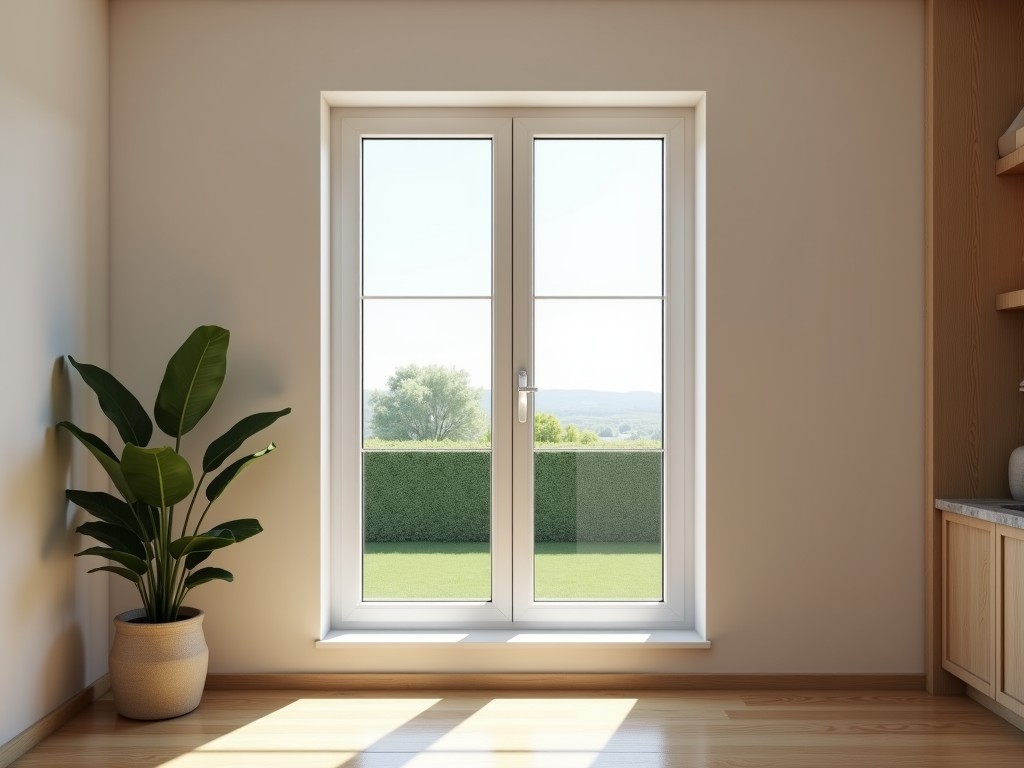
Thermal Break Casement Windows for High-Performance Villa Architecture
In high-end residential architecture, the window envelope serves as the critical interface for thermal efficiency and structural integrity. Unlike standard residential glazing, a thermal break casement window designed for villas is engineered to eliminate thermal bridging—the primary cause of heat loss and localized condensation. By integrating non-conductive barriers between aluminum extrusions, these units maintain internal temperature stability while providing the structural rigidity required for large-span glass and modern aesthetic profiles.
The Engineering of Thermal Break Technology
Aluminum is favored for its strength-to-weight ratio and corrosion resistance, yet its high thermal conductivity necessitates a solution. Our manufacturing process utilizes high-performance thermal strips—typically reinforced polyamide (polyamide)—pressed into the frame chambers. This physical barrier interrupts the flow of heat, effectively decoupling the exterior and interior surfaces of the frame.
The width and geometry of the thermal break significantly impact the U-value (heat transmittance coefficient). For villa applications in climates with extreme temperature fluctuations, we employ multi-chambered profiles that optimize air resistance and ensure the interior frame temperature remains above the dew point, preventing the growth of mold and protecting the longevity of the interior finishes.
Material Selection and Structural Integrity
Selecting the right materials for villa-grade windows requires balancing aesthetic minimalism with wind load resistance. We utilize 6063-T5 grade aluminum alloys, known for their dimensional stability and excellent surface finish capabilities.
- Wall Thickness: Typically ranging from 1.6mm to 3.0mm to ensure structural stability under high-pressure wind zones.
- Gasket Systems: EPDM (Ethylene Propylene Diene Monomer) seals are used for superior weather resistance and UV stability compared to standard PVC.
- Glazing Capacity: Designed to accommodate double or triple-glazed units, often with argon-fill and Low-E coatings for maximum insulation performance.
Technical Specifications Overview
| Parameter | Standard Specification |
|---|---|
| Frame Material | Extruded Aluminum 6063-T5 |
| Thermal Break Material | Reinforced Polyamide (PA66) |
| U-Value (Window) | 1.2 - 1.8 W/m²K (depending on glass config) |
| Air Tightness Class | Class 4 (EN 12217) |
| Water Resistance Class | Class 5 (High pressure) |
| Surface Finish | Powder Coating, Anodizing, or Wood-grain Transfer |
Quality Control and Manufacturing Standards
For villa-scale projects, consistency across units is non-negotiable. Our production line follows a multi-stage inspection protocol to ensure every unit meets the architectural tolerances specified in the blueprints. This includes CNC machining for hardware pockets to ensure precise alignment of the casement mechanism, which prevents drafts and difficult operation over years of use.
Each batch undergoes testing for water penetration, air leakage, and structural load capacity. We also verify the adhesion of the surface coating through cross-cut tape tests, ensuring the finish remains aesthetically vibrant and resists corrosion even in coastal villa environments with high salinity.
Customization for Project Integration
We recognize that every villa has a unique design language. We provide comprehensive customization options to align with specific architectural requirements:
- Profile Profiles: Ultra-slim sightlines for unobstructed views without compromising structural strength.
- Hardware Integration: Choice of multi-point locking systems for enhanced security and acoustic dampening.
- Custom Dimensions: Ability to manufacture non-standard sizes and shapes to fit complex facade geometries.
Frequently Asked Questions
How does the thermal break compare to a standard aluminum frame?
Standard aluminum frames act as conductors, leading to high energy costs and condensation. The thermal break window uses a polyamide strip to stop heat transfer, maintaining indoor comfort regardless of the outdoor temperature.
Can these windows be used in coastal areas?
Yes. By utilizing high-grade anodized finishes or marine-grade powder coatings, along with EPDM gaskets, the frames are highly resistant to salt-air corrosion and oxidation common in coastal environments.
What is the typical lead time for large-scale villa orders?
Lead times vary based on the complexity of the customization and glazing requirements. We provide a detailed production schedule after reviewing the technical drawings and material specifications.
Ready to discuss your project?
Share your architectural drawings or technical specifications with our engineering team for a detailed evaluation and custom quotation.
Request Technical Consultation