Balcony Hinged Door Enclosure Supplier
Balcony Hinged Door Enclosure Supplier
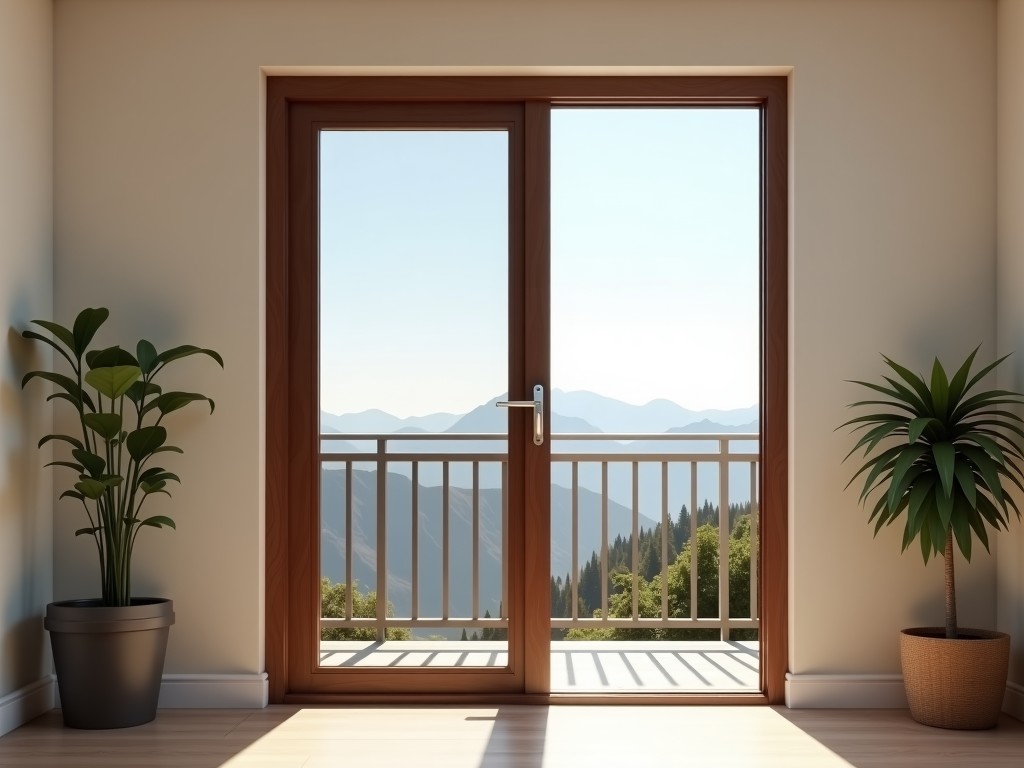
Engineering-Grade Balcony Hinged Door Enclosure Systems
Selecting a balcony hinged door enclosure requires a technical balance between structural integrity, thermal performance, and mechanical-cycle reliability. Unlike standard residential glazing, industrial-grade hinged enclosures must withstand significant wind loads and thermal expansion cycles, while maintaining an airtight seal over years of operation. Our manufacturing process focuses on high-tolerance aluminum extrusions and reinforced hardware to ensure that the frame remains plumb even after high-frequency use.
Structural Considerations for Hinged Enclosures
The primary challenge in hinged balcony systems is the cantilevered load placed on the hinge side. When large-format glass panels are utilized, the torque can cause frame deflection, leading to door misalignment or premature seal failure. We address this by utilizing multi-chambered aluminum profiles that increase torsional rigidity without adding excessive weight. This engineering approach ensures the operating remains consistent across seasonal fluctuations.
Material selection also dictates the lifecycle of the enclosure. In coastal environments or high-humidity climates, corrosion resistance is non-negotiable. We typically specify 6063-T5 aluminum alloys with architectural-grade anodization or powder coating to prevent oxidation and structural degradation at the joints and fasteners.
Technical Specifications and Material Standards
| Parameter | Standard Specification | Customizable Options |
|---|---|---|
| Frame Material | 6063-T5 Aluminum Extrusion | Stainless Steel (Reinforced nodes) |
| Profile Thickness | 1.8mm - 2.5mm base | Up to 4.0mm for heavy-duty loads |
| Glazing Type | Tempered Safety Glass (8mm+) | Low-E, Laminated, or Triple Glazing |
| Sealing Material | EPDM Rubber Gaskets | Thermal-break integrated strips |
| Hardware Finish | 304 Stainless Steel | 316 Stainless Steel for marine use |
Performance in Demanding Environments
Procurement teams often evaluate enclosures based on U-values and air infiltration rates. Our hinged systems utilize thermal break technology to disrupt the thermal bridge between the interior and exterior aluminum frames. This significantly reduces condensation formation on the interior surface, which is critical for maintaining air quality and preventing mold growth.
Furthermore, the mechanical-hinge system is the most common point of failure. We utilize heavy-duty, ball-bearing hinges designed for 200,000+ cycles. This prevents the "sagging" effect often seen in lower-quality installations after only a few months of operation.
OEM and Customization Capabilities
We recognize that architectural projects rarely have standardized dimensions. Our production facility supports bespoke extrusion profiles based on your CAD drawings. Whether you require specific span widths to maximize unobstructed views or integrated automated opening systems for accessibility compliance, we provide the engineering support to integrate these components seamlessly.
- Custom frame-matching for unique architectural facades.
- Integrated drainage channels designed for high-rainfall zones.
- Color-matching via RAL-standardized powder coating finishes.
- Reinforced locking point mechanisms for high-security commercial requirements.
Technical Consultation Inquiry
Are you seeking specific specifications, load calculations, or material compatibility for your current project? Our engineering team is available to review your drawings and provide a detailed technical proposal.
Request Specification & Quote