Bathroom Awning Window Supplier
Bathroom Awning Window Supplier
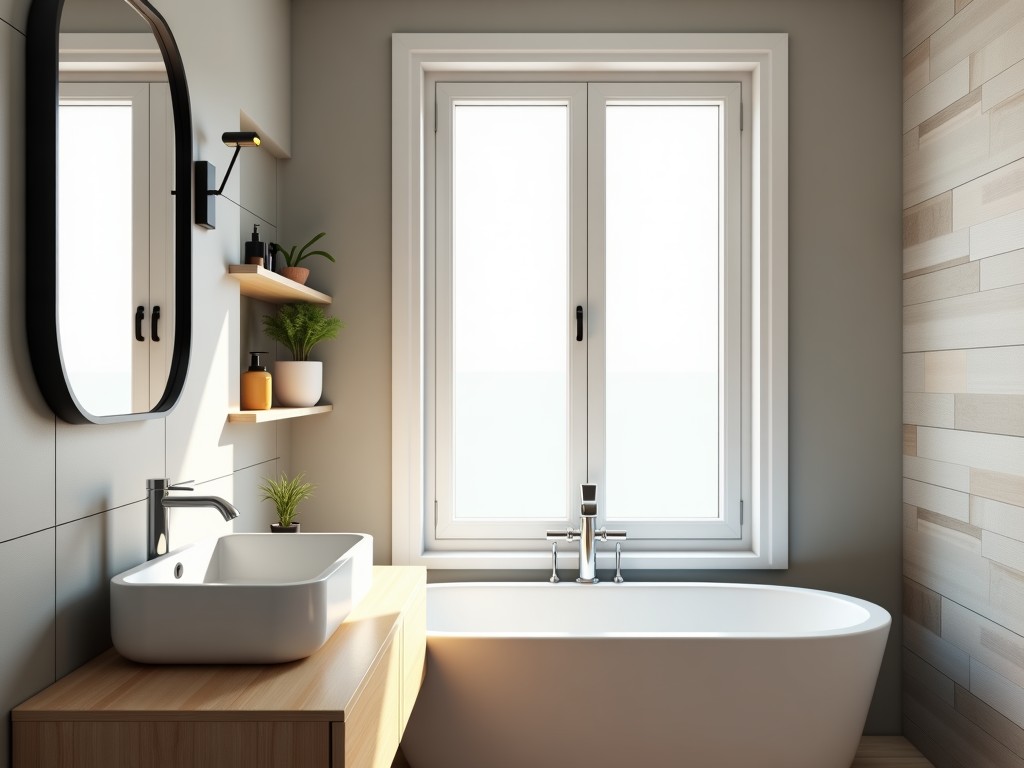
Precision-Engineered Bathroom Awning Windows for High-Moisture Environments
Selecting glazing for bathroom applications requires a technical balance between ventilation efficiency, moisture resistance, and structural integrity. Unlike standard window casements, awning windows (or top-hung windows) must withstand frequent humidity cycles and chemical exposure from cleaning agents while maintaining airtight seals. Our manufacturing process focuses on preventing frame deformation and seal degradation, ensuring long-term operational performance in commercial and high-end residential washrooms.
Engineering Considerations for Bathroom Glazing
The primary failure point in bathroom environments is the thermal expansion caused by rapid temperature changes and high humidity. Standard frames often suffer from warping or gasket brittleness, leading to water ingress or mechanical binding. We address this by utilizing high-grade alloy compositions and reinforced thermal breaks designed to maintain dimensional stability.
- Corrosion Resistance: Use of 6063-T5 aluminum or powder-coated finishes to prevent oxidation in vapor-heavy zones.
- Seal Integrity: EPDM (Ethylene Propyleneene Monomer) gaskets that maintain elasticity after years of exposure to steam and detergents.
- Hardware Durability: Stainless steel (304 grade) hinges and stays to ensure smooth opening/closing despite corrosive air.
- Glazing Options: Double or triple insulated units with Low-E coatings to prevent condensation buildup on the interior glass.
Material Selection and Performance Specifications
Procurement teams must evaluate materials based on the specific duty cycle and maintenance requirements. For high-traffic commercial facilities or hotels, the durability of the pivot mechanism is as critical as the thermal rating of the glass.
| Specification | Standard Configuration | Technical Benefit |
|---|---|---|
| Frame Material | Extruded Aluminum / UPVC | High strength-to-weight ratio; rot resistance. |
| Glazing Type | Tempered Laminated Safety Glass | Impact resistance and acoustic damp insulation. |
| Hardware System | Multi-point Locking Awning Stay | Even pressure distribution for superior sealing. |
| Surface Finish | Anodized or Architectural Powder Coating | UV resistance and chemical inertness. |
Customization and OEM Integration Options
The awning configuration is uniquely suited for bathrooms because the opening projects outward, allowing for maximum ventilation even during rain—a critical factor for preventing mold growth. We offer customized solutions to meet specific architectural tolerances and structural load requirements.
For large-scale developments, we provide detailed technical drawings to ensure seamless integration with existing building envelope systems. This includes custom mullion profiles, integrated screening channels, and specific hardware finishes to match interior palettes.
Manufacturing Quality Assurance
Every unit undergoes rigorous quality control to verify air-tightness and mechanical function:
- Water-tightness testing (ASTM E331 standards).
- Air infiltration testing for pressure equalization performance.
- Cycle testing on hinge hardware (10,000+ cycles).
- Dimensional tolerance verification within ±1.5mm.
Frequently Asked Questions
Why are awning windows preferred for bathrooms over casement windows?
Awning windows open from the bottom, which acts as a natural canopy. This allows for effective ventilation even during inclement weather, which is essential for clearing steam quickly without risking rainwater entering the interior.
Can we choose between aluminum and UPVC for high-humidity zones?
Aluminum is preferred for structural rigidity where thinner profiles and higher wind resistance are required. UPVC offers excellent thermal insulation but requires high-quality internal reinforcement to prevent sagging over time in large spans.
Ready to discuss your project specifications?
Contact our engineering team for technical data sheets, CAD drawings, or bulk pricing.
Request Technical Quotation