Cheap Exterior Aluminum Door
Cheap Exterior Aluminum Door
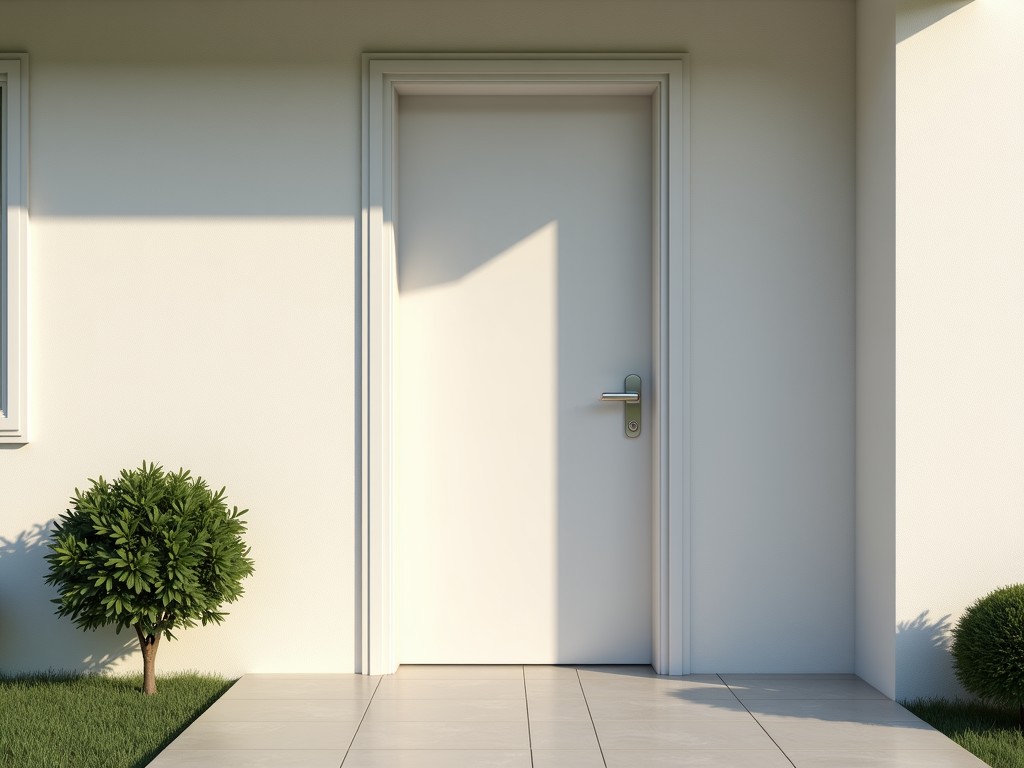
High-Performance Exterior Aluminum Doors for Commercial and Industrial Enclosures
Selecting exterior aluminum doors requires a technical balance between structural rigidity, thermal performance, and long-term corrosion resistance. Unlike timber or standard steel alternatives, aluminum systems offer a high strength-to-weight ratio, allowing for larger spans and thinner profiles without compromising the structural integrity of the opening. Our manufacturing process focuses on maintaining tight tolerances across extreme thermal fluctuations, ensuring that door operation remains fluid even after years of high-frequency use.
Engineering Considerations: Material and Structural Integrity
The primary challenge in exterior aluminum assemblies is thermal expansion and atmospheric oxidation. We utilize 6063-T5 or 6061-T6 alloys, selected for their yield strength and excellent response to extrusion processes. These alloys provide the necessary dimensional stability to support complex profile geometries while preventing the warping or bowing often seen in lower-grade metalwork.
To mitigate the inherent thermal conductivity of aluminum, our profiles are engineered with advanced thermal break technology. These polyamide-reinforced thermal barriers interrupt the thermal bridge between the interior and exterior surfaces, significantly reducing condensation risk and improving the overall R-value of the building envelope.
Surface Treatment and Environmental Resistance
The exterior finish of an aluminum door is its first line of defense against UV radiation, salt spray, and chemical pollutants. We offer several surface treatment options, each serving a specific environmental demand or aesthetic requirement:
- Anodizing: An electrochemical process that thickens the natural oxide layer on the surface. Ideal for coastal environments where high resistance to atmospheric corrosion is critical.
- Architectural Powder Coating: A high-performance polymer finish that provides a durable, weather-resistant barrier. This is preferred for projects requiring specific RAL colors or high UV-stability ratings.
- PVDF Coatings: Fluoropolymer finishes used in extreme exposure scenarios where long-term color retention and chalking resistance are mandatory.
Technical Specifications Overview
| Parameter | Standard Value / Range | Notes |
|---|---|---|
| Alloy Grade | 6063-T5 / 6061-T6 | Customizable based on load-bearing req. |
| Profile Wall Thickness | 1.5mm - 4.0mm | Adjusted for structural reinforcement |
| Air Filtration Rating | Class 1 / A3 | Per ASTM E2831 |
| Water Infiltration | Class 4 / 5 | Tested to ASTM E331 standards |
| Load Capacity | Up to 500kg/m² | Dependent on frame design |
Application Scenarios and Performance
Aluminum exterior doors are specified in environments where maintenance cycles must be minimized without sacrificing. Our systems are engineered to handle the following operational demands:
Industrial Facilities
Focus on high-duty cycle hardware and security. Heavy-reinforced frames ensure resistance against physical impact in loading-dock zones.
Commercial Retail
Prioritizes visual transparency and thermal efficiency. Slim-profile systems allow maximum glazing while maintaining structural stability.
Institutional Buildings
Strict adherence to fire ratings and acoustic insulation. Integrated gaskets provide high decibel reduction for urban environments.
Customization and OEM Integration
We recognize that off-the-shelf solutions rarely satisfy complex architectural blueprints. Our production capability supports deep-level customization based on project-specific CAD drawings. This includes bespoke hardware integration, integrated security mesh systems, and specialized glazing pockets to meet specific U-factor requirements.
By providing your technical specifications and performance requirements, our engineering team can evaluate the feasibility of custom profiles and provide a comprehensive manufacturing plan. Contact our technical department to discuss your project.
Ready to specify your exterior door system?
Share your drawings or specifications for a customized proposal and technical evaluation.
Request Technical Consultation