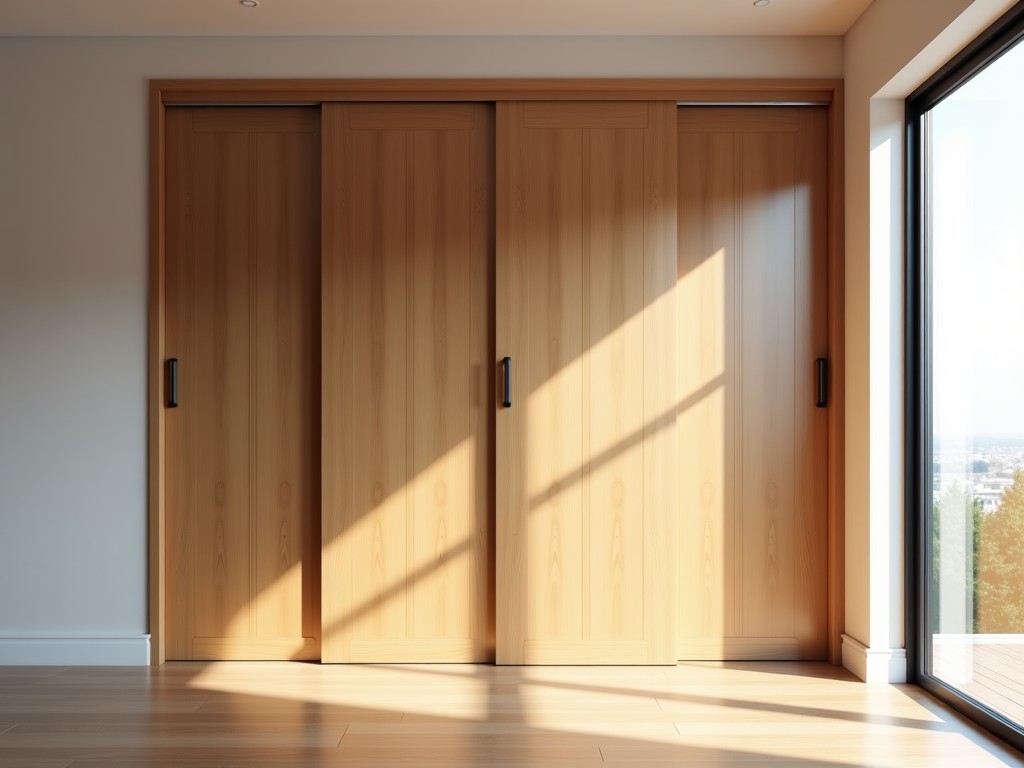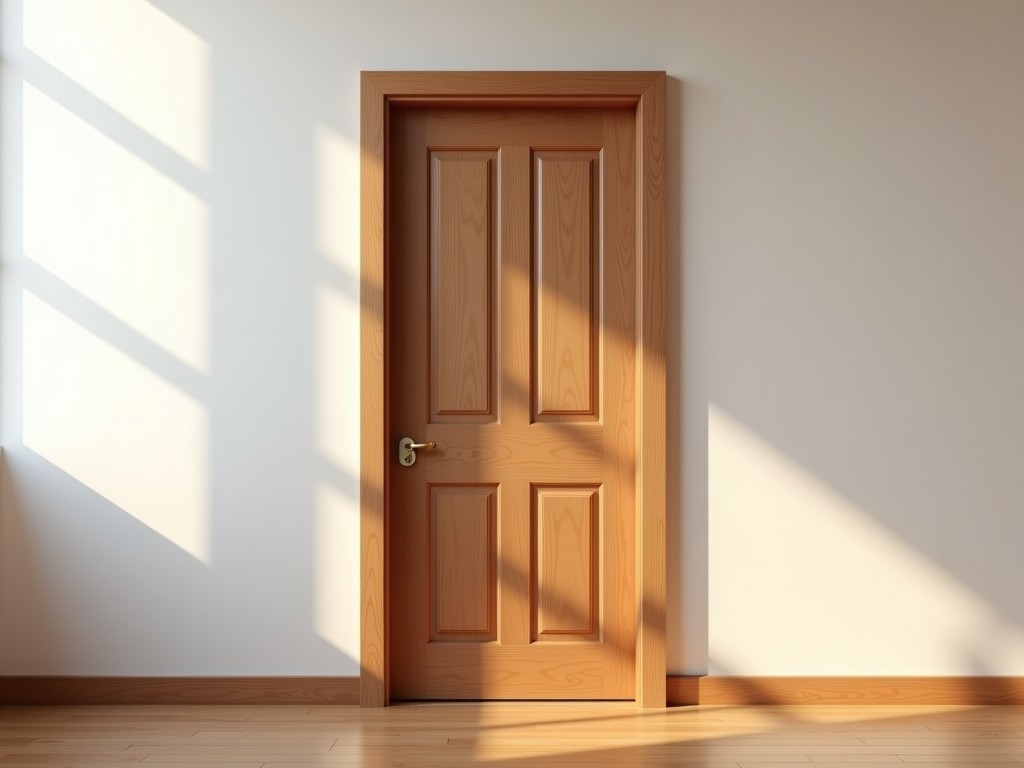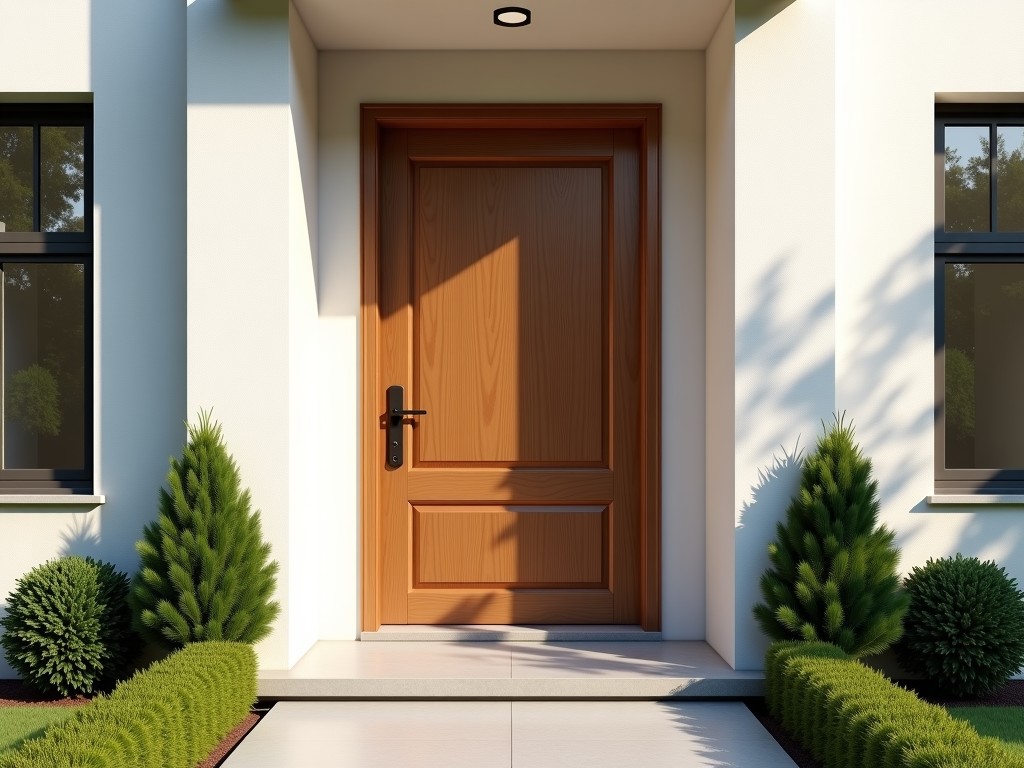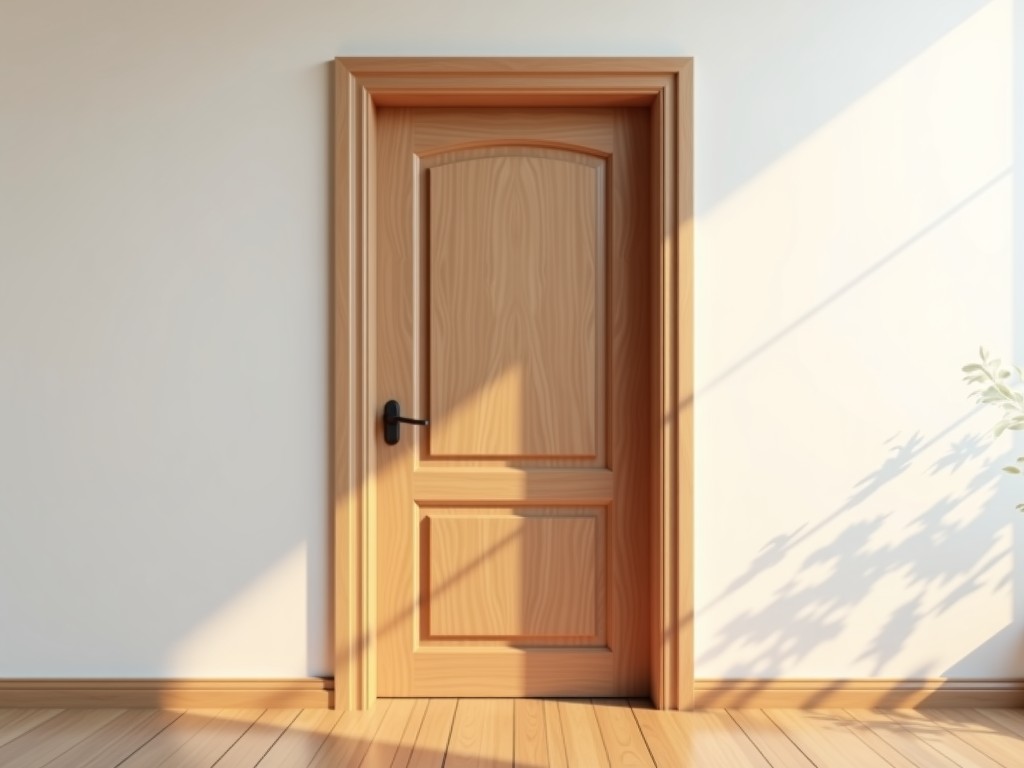
Custom Aluminum Front Door
Custom Aluminum Front Door
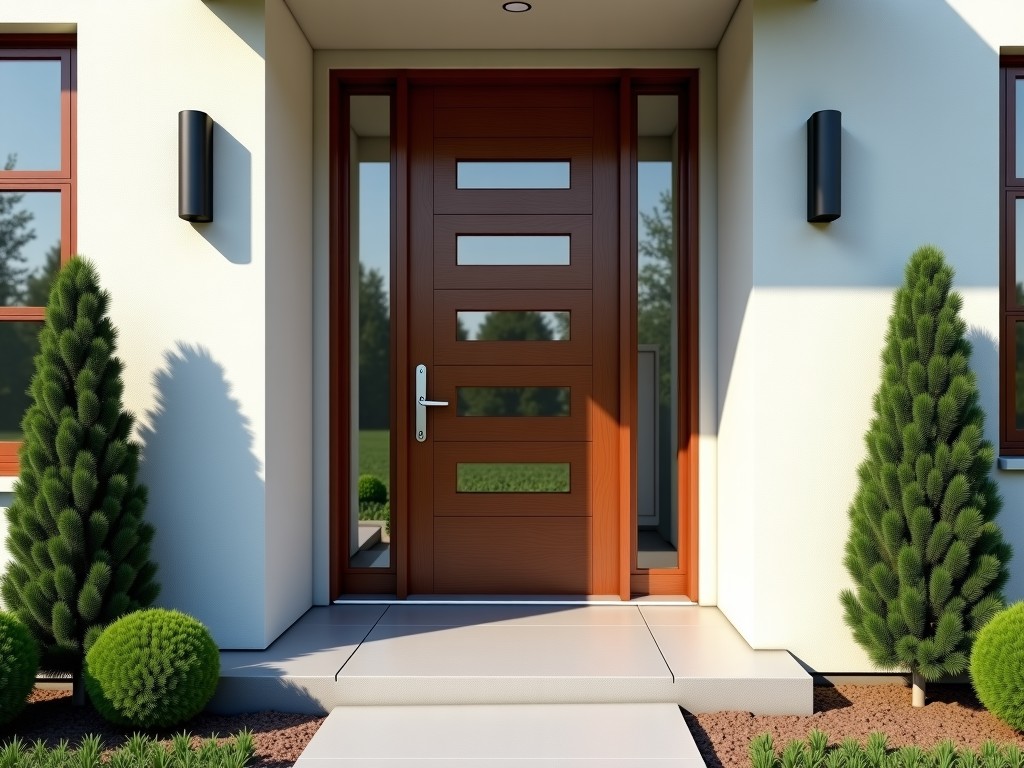
Custom Aluminum Front Doors: High-Performance Architectural Solutions
Selecting a custom aluminum front door requires a balance between structural integrity, thermal performance, and aesthetic precision. Unlike traditional timber, which is prone to warping under hygroscopic stress, industrial-grade aluminum alloys offer a high strength-to-weight ratio that ensures dimensional stability over the building's lifecycle. These doors are engineered for commercial and high-end residential projects where airtightness and weather resistance are non-negotiable requirements.
Engineering Considerations for Material Selection
The fabrication typically utilizes 6063-T5 or 6061-T6 aluminum alloys. These are selected for their extrudability and mechanical properties. For front-entry applications, the profile geometry is critical; thermal breaks are essential to prevent thermal bridging.
- Multi-chamber profiles: Designed to increase air resistance and reduce condensation.
- Thermal Break technology: Polyamide strips that decouple the internal and external aluminum sections.
- Surface Treatment: Anodizing or powder coating to micron-level thickness for corrosion resistance.
Performance Metrics and Structural Specifications
Procurement teams and engineers must evaluate doors based on measurable performance data. A custom-built aluminum door must meet specific wind-load ratings while maintaining its seal integrity. The integration of high-grade hardware is vital to prevent sagging and to facilitate smooth operation of heavy-duty glass or composite panels.
| Parameter | Typical Specification | Impact on Performance |
|---|---|---|
| Alloy Grade | 6063-T5 / 6061 | Structural rigidity and finish adhesion. |
| Wall Thickness | 1.5mm - 3.0mm | Load-bearing capacity and insulation. |
| Thermal Break Width | 24mm - 34mm | U-value optimization (thermal efficiency). |
| Airflow Rating | Class 4 (High) | Energy efficiency and draft prevention. |
| Dimensional Tolerance | ± 1.0mm | Precision fit and hardware alignment. |
Manufacturing Process and Customization Logic
The production of custom aluminum front doors begins with CNC-controlled extrusion. This ensures that every profile matches the exact geometric requirements of the architectural plan. Following extrusion, the components are cut using high-precision saws to minimize material waste and ensure square-ness.
Customization is not limited to aesthetics; it involves engineering the internal reinforcement structure to accommodate specific glass spans, such as toughened double-glazed insulated units. The surface finishing process—whether electro-chemical anodizing for metallic depth or polyester powder coating for color versatility—is applied in controlled environments to ensure long-term film durability against UV radiation and oxidation.
OEM & ODM Service Capabilities
- Architectural Integration: We translate CAD/BIM files into production-ready profiles.
- Hardware Specification: Integration of smart lock systems, multi-point locking mechanisms, and concealed hinges available.
- Finish Customization: RAL color matching, custom textures, and wood-grain finishes.
Quality Control and Inspection Standards
To mitigate risk for procurement managers, every custom unit undergoes rigorous testing. This includes water-ingress testing to verify the integrity of the gaskets and drainage channels. We also perform cycle testing on the hardware to ensure the door operates smoothly after thousands of cycles without mechanical failure or misalignment.
Ready to discuss your project specifications?
Provide your drawings or site requirements for a technical engineering review and competitive quotation.
Request Technical Consultation