Double Glazed Casement Window Supplier
Double Glazed Casement Window Supplier
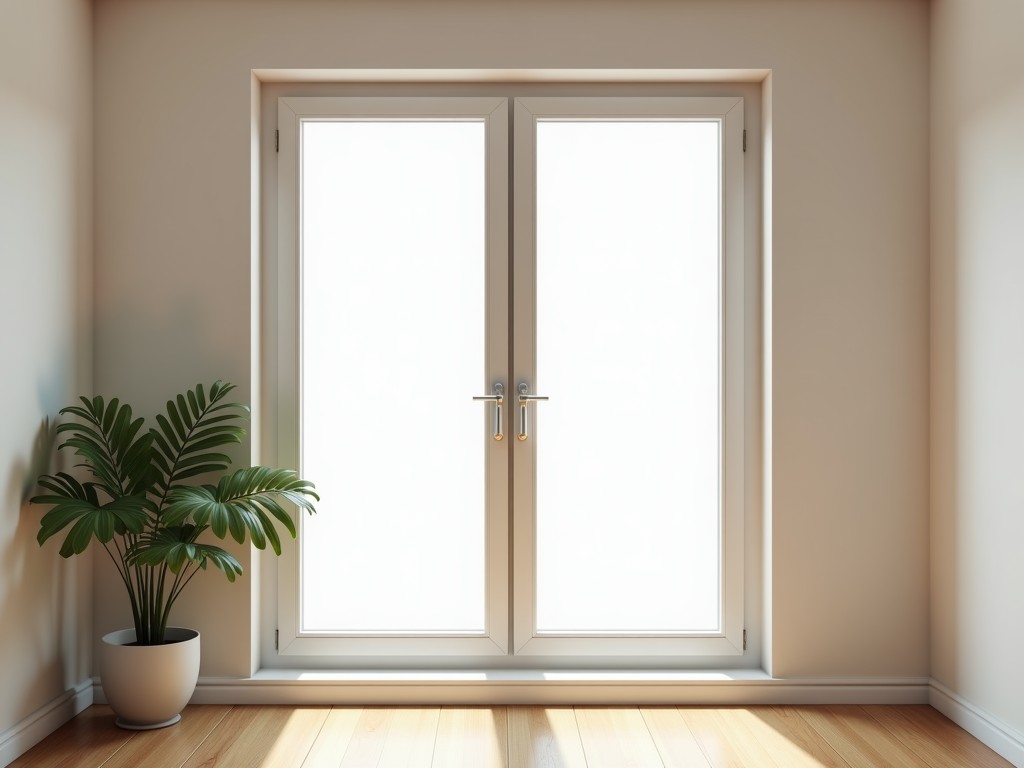
High-Performance Double Glazed Casement Windows for Industrial Building Specifications
In modern commercial and industrial architecture, the double glazed casement window serves as a critical component for thermal envelope integrity and structural performance. Unlike fixed glazing units, the casement mechanism utilizes a side-hinged hinge that allows the sash to swing outward from the frame. This design creates a compression seal when the window is closed, significantly reducing air infiltration and moisture ingress—factors that are paramount for energy efficiency ratings and indoor climate control stability.
Engineering Considerations for Thermal and Structural Integrity
Selecting a double glazed casement window requires an understanding of how material selection interacts with glazing unit performance. For high-load environments or coastal regions, reinforced aluminum profiles with thermal breaks are often specified to maintain dimensional stability under wind pressure. Conversely, multi-chambered uPVC or composite frames offer superior thermal resistance (U-values) by utilizing internal air pockets to disrupt heat transfer, reducing the operational load on HVAC systems during extreme temperature cycles.
The glazing unit itself is the primary driver of the window's performance metrics. A standard double glazing consists of two panes of glass separated by a spacer bar, filled with an inert gas such as argon. The inclusion of Low-E (low-emissivity) coatings on the glass surfaces reflects infrared energy back into the room during winter while rejecting solar heat gain in summer, directly impacting the thermal efficiency of the building envelope.
Technical Specifications and Material Options
| Parameter | Typical Specification / Available Options |
|---|---|
| Frame Material | Extruded Aluminum (Thermal Break), Multi-chamber uPVC, Wood-Aluminum Composite |
| Glazing Type | Toughened, Laminated, or Heat Tempered Double Units |
| IG Unit Thickness | 24mm to 40mm (Customizable per project) |
| Hardware Mechanism | Multi-point locking systems, Stainless steel hinges, Galvanized coated steel |
| U-Value (Overall) | 1.1 to 1.6 W/m²K (Depending on glass configuration) |
| Sound Reduction Rating | 32dB to 42dB (Acoustic grade) |
Manufacturing Process and Quality Control
The manufacturing of casement windows begins with precision-cutting of the profiles. For aluminum frames, CNC-controlled cutting ensures tolerances within ±0.5mm, which is vital for the seamless operation of the hardware. The uPVC corners are thermally welded and reinforced with galvanized steel extrions to ensure the frame does not bow or warp over decades of thermal expansion and contraction cycles.
Quality assurance is integrated at every production stage. Each unit undergoes water penetration testing to verify the integrity of the gaskets and seals under simulated wind pressure. Furthermore, the glazing units are secured using high-grade EPDM (Ethylene Propylene Diene Monomer) gaskets which maintain elasticity and resist UV degradation better than standard rubber alternatives.
Application Scenarios
Double glazed casement windows are utilized in diverse environments where ventilation control and high security are prioritized:
- Commercial Office Blocks: Providing natural ventilation while maintaining strict acoustic insulation from urban noise.
- Industrial Retrofits: Utilizing high-durability hardware to withstand frequent opening and closing in operational environments.
- High-End Residential Developments: Enhancing aesthetic appeal through slim profiles while meeting stringent energy-efficiency codes.
Selection Guide for Procurement Teams
When evaluating specifications for a project, procurement should consider the wind load rating required for the site. High-rise applications demand higher sash-weight capacities and specific glass thicknesses to prevent deflection. Additionally, verifying the hardware finish—such as powder-coated or anodized finishes—is essential for ensuring long-term corrosion resistance, especially in corrosive or high-humidity environments.
For large-scale developments or OEM requirements, we offer comprehensive customization options including bespoke dimensions and integrated architectural glazing systems. Contact our technical team to discuss your project drawings.
Frequently Asked Questions
Can these windows be customized for non-standard-sized openings?
Yes, we manufacture units based on specific architectural drawings, provided they meet the structural load limits of the chosen frame material.
What is the difference between thermal break and non-thermal break aluminum frames?
A thermal break inserts a non-conductive material (usually polyamide) between two aluminum extrusions to prevent heat transfer from the interior to the exterior, significantly improving insulation.
What are the typical lead times for bulk industrial orders?
Lead times vary based on volume and specific glazing requirements; typically provided as a schedule upon review of the project specifications.
Can these windows be customized for non-standard-sized openings?
Yes, we manufacture units based on specific architectural drawings, provided they meet the structural load limits of the chosen frame material.
What is the difference between thermal break and non-thermal break aluminum frames?
A thermal break inserts a non-conductive material (usually polyamide) between two aluminum extrusions to prevent heat transfer from the interior to the exterior, significantly improving insulation.
What are the typical lead times for bulk industrial orders?
Lead times vary based on volume and specific glazing requirements; typically provided as a schedule upon review of the project specifications.