Fixed Windows Supplier
Fixed Windows Supplier
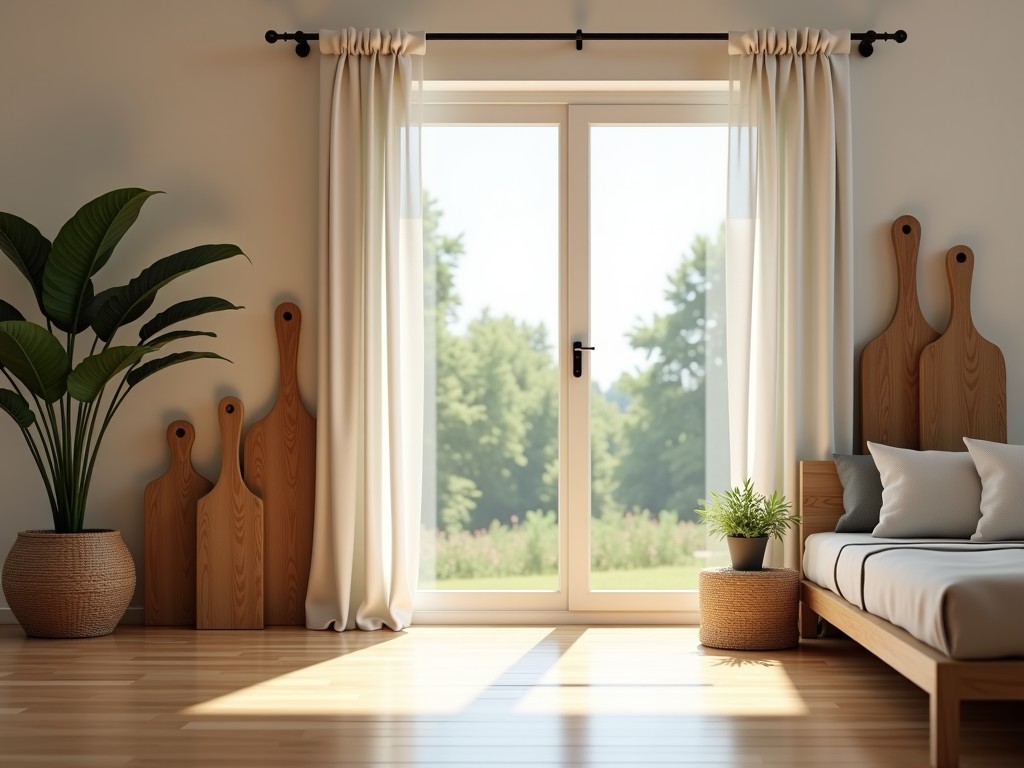
Industrial-Grade Fixed Window Systems for Commercial and Industrial Architecture
In large-scale architectural projects, fixed windows serve as more than light apertures; they are critical structural components. Unlike operable units, fixed windows are engineered for maximum daylight harvesting, superior thermal resistance, and long-term dimensional stability. For engineers and procurement teams, selecting the right fixed window supplier involves balancing wind-load requirements, acoustic insulation standards, and the specific thermal performance needs of the building envelope.
Engineering Considerations for Fixed Glazing
The primary advantage of a fixed system lies in the elimination of mechanical hardware. By removing hinges, cranks, and tracks, the structural integrity remains uniform, allowing for larger glass-to-frame ratios. This makes makes fixed windows ideal for facades where unobstructed views and reduced maintenance cycles are the priority.
- Structural Load Bearing: Designed to withstand high wind-pressure zones without the deflection of the frame.
- Thermal Bridging Mitigation: Advanced thermal breaks in aluminum profiles prevent heat transfer between interior and exterior environments.
- Acoustic Performance: Fixed units typically offer higher STC (Sound Transmission Class) ratings due to airtight seals.
Material Selection and Performance Profiles
The choice of framing material dictates the lifecycle and performance envelope of the window system. We evaluate materials based on the specific environmental stressors present at the installation site.
Extruded Aluminum Alloy
Commonly used in high-rise commercial applications. Utilizing 6063-T5 alloys, these frames offer high strength-to-weight ratios. Surface finishes like powder coating or anodizing provide corrosion resistance in coastal or industrial chemical environments.
Reinforced PVC
Preferred where maximum thermal insulation (U-value) is the primary metric. Internal steel reinforcements provide the necessary rigidity to prevent bowing in large- fixed-span designs.
Technical Specifications Overview
| Parameter | Standard Specification | Testing Method |
|---|---|---|
| Wind Load Resistance | Up to 5000 Pa (Customizable) | ASTM E331 |
| Thermal Conductivity (U-Value) | 1.1 - 1.8 W/m²K | ISO 1004 |
| Air Infiltration | Class 1 / Grade 4 | ASTM E2837 |
| Water Penetration | Class 5 | ASTM E331 |
Manufacturing and Quality Control Protocol
Precision in fixed window manufacturing is determined at the extrusion and assembly stages. Our production process utilizes CNC-controlled cutting to ensure tolerances remain within ±0.5mm. This consistency is vital for maintaining the airtight seal during installation into large-scale curtain wall systems.
Every unit undergoes a multi-stage inspection before dispatch. We verify the structural integrity of the frame corners, the bond strength of the gaskets, and the alignment of the double-glazing beads. For OEM partners, we provide material traceability reports to ensure the alloy meets the project's specific metallurgical requirements.
Industrial Application Scenarios
Fixed window systems are deployed in environments where movement is either unnecessary or where structural performance is paramount:
- Manufacturing Warehouses: Large-span fixed units to provide natural light while maintaining climate-controlled environments.
- Laboratory Facilities: Where high-performance glazing is required to dampen noise from external equipment.
- Corporate Office Blocks: Utilizing large-format fixed glass to create modern aesthetics while maximizing energy efficiency.
Ready to discuss your specifications?
We provide technical consultation for custom-scale glazing projects. Share your architectural drawings or load requirements with our engineering team today.
Request a Technical Quotation