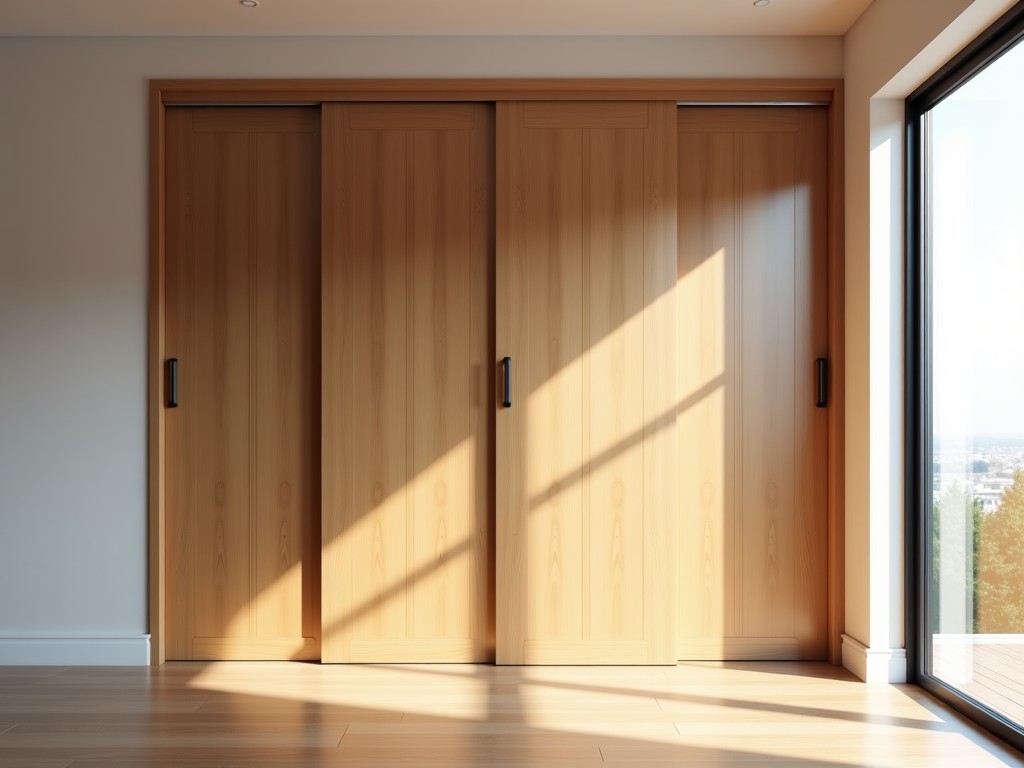
OEM Aluminum Sliding Doors And Windows
OEM Aluminum Sliding Doors And Windows
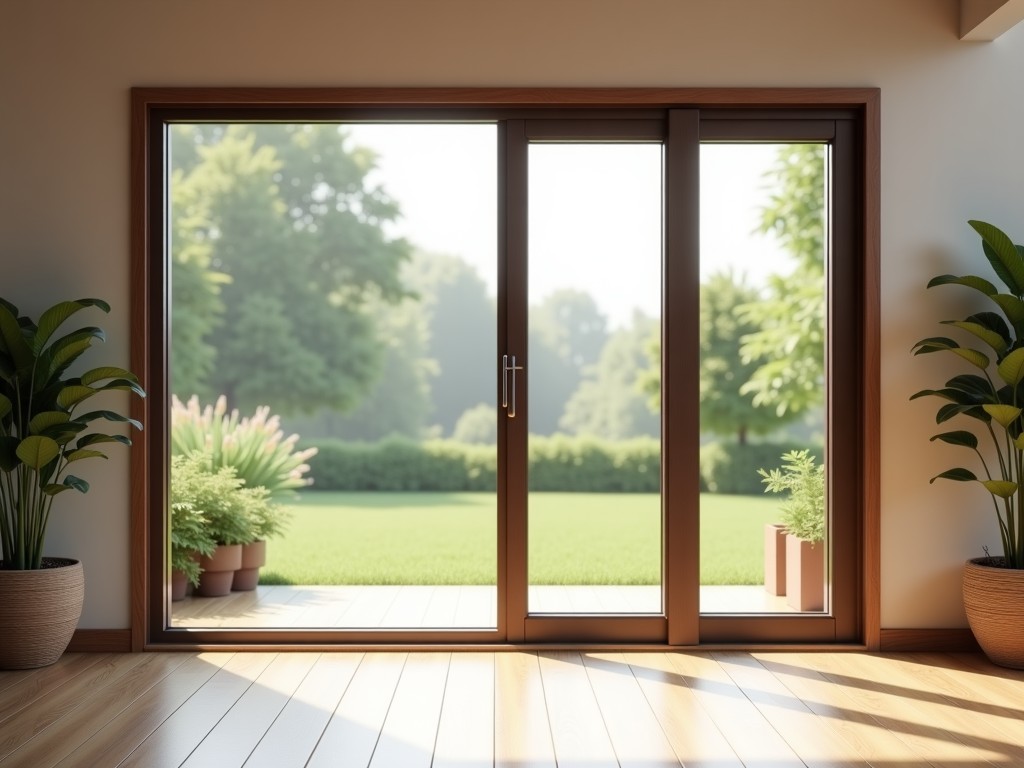
High-Performance Aluminum Sliding Doors and Windows for Commercial and Industrial Applications
Selecting the appropriate aluminum sliding doors and windows requires a technical balance between structural integrity, thermal performance, and operational efficiency. Unlike standard consumer-grade alternatives, industrial-grade systems must withstand significant wind loads, high-frequency usage cycles, and maintain dimensional stability over thousands of opening cycles. Our engineering focus centers on extrusion profiles that utilize 6063-T5 aluminum alloys, ensuring the frames provide rigid resistance to deformation and corrosion resistance in demanding architectural environments.
Engineering Considerations: Material Selection and Profiles
The performance of a sliding system is dictated by the profile geometry and the thermal break technology. For projects requiring high energy efficiency, we utilize multi-chamber thermal breaks—typically polyamide strips—to interrupt the thermal bridge between the interior and exterior aluminum members. This prevents condensation and reduces heat transfer, which is critical for climate-controlled industrial facilities or large-scale commercial facades.
- Extrusion Thickness: Profiles range from 1.8mm to 4.0mm depending on the structural load requirements and glass-weight specifications.
- Alloy Grade: 6063-T5 is utilized for its excellent balance of surface finish quality and mechanical strength.
- Surface Treatment: High-micron powder coating or architectural-grade anodizing (minimum 15-20 microns) provides protection against oxidation and UV degradation.
Structural Integrity and Hardware Integration
A common failure point in sliding systems is the track mechanism and roller alignment. We address this by specifying heavy-duty stainless steel roller assemblies with adjustable ball bearings, allowing smooth operation even when fitted with heavy triple-glazed insulated units. The track system is designed with integrated drainage channels and weep holes to prevent water ingress into the interior during high-pressure rainfall events.
Weatherproofing is achieved through multi-point locking mechanisms and EPDM (Ethylene Propyleneene Monomer) gaskets. These gaskets maintain flexibility over time compared to standard PVC, ensuring a consistent seal that significantly reduces air infiltration and acoustic pressure transmission.
Technical Specifications Overview
| Parameter | Typical Specification |
|---|---|
| Aluminum Alloy | 6063-T5 / 6063-6 |
| Wall Thickness | 1.8mm - 4.0mm (Customizable) |
| Thermal Break Material | Polyamide (8mm - 34mm) |
| Glass Compatibility | Single, Double, or Triple Glazing |
| Air Leakage Class | Class 4 to Class 5 |
| Water Resistance Class | Class 4 |
Manufacturing and Quality Control
Our production process follows strict tolerance controls to ensure every component fits precisely within ±0.5mm. This precision is vital for rapid on-site installation in large-scale commercial projects. Each unit undergoes a multi-stage inspection process focusing on frame squareness, hardware torque, and seal integrity.
Procurement teams often evaluate our ability to handle high-volume orders without compromising consistency. We maintain this by utilizing CNC-machined extrusions and automated assembly lines, ensuring that the first unit produced is identical in performance to the thousandth.
Customization and OEM Services
Every architectural project presents unique geometric challenges. We provide comprehensive OEM and ODM services where profile designs can be modified to meet specific structural load requirements. Whether you require wide-span openings for lobbies or specialized thermal barriers for industrial laboratories, our engineering team works with your architects to provide feasible technical solutions.
Request a Technical Consultation?
Share your technical drawings, material specifications, or project requirements with our engineering team for a detailed analysis and a tailored proposal.
Contact Engineering DepartmentFrequently Asked Questions
What is the maximum span possible for an aluminum sliding door?
The span depends on the profile depth and glass weight. Heavy-duty systems can typically support spans exceeding 6 meters, though multi-track configurations are used to prevent structural deflection.
How is maintenance handled for high-traffic entrances?
Routine maintenance involves vacuuming the tracks of debris and inspecting EPDM gaskets annually. The stainless steel hardware is designed for minimal lubrication requirements, ensuring long operational uptime.