Oem Aluminum Windows
Oem Aluminum Windows
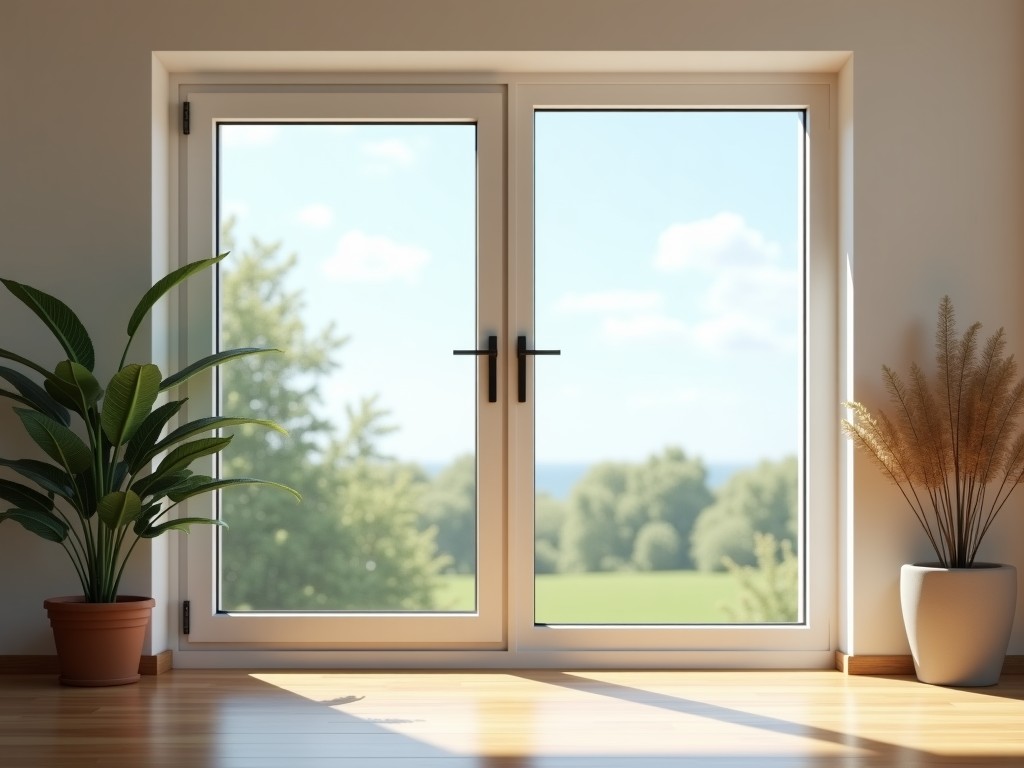
OEM Aluminum Windows: Engineering Specifications and Industrial Integration
Integrating custom aluminum window systems requires a deep understanding of structural integrity, thermal performance, and material-specific tolerances. Unlike standard retail-grade solutions, OEM-specific aluminum windows are engineered to meet precise architectural requirements, environmental exposure factors, and assembly line constraints. Our manufacturing process focuses on providing high-precision extrusions and reinforced assemblies that ensure dimensional consistency across large-scale projects or specialized industrial builds.
Material Selection and Structural Integrity
The choice of aluminum alloy dictates the window's load-bearing capacity and longevity. We typically utilize 6063-T5 alloys, favored for their excellent strength-to-weight ratio and superior response to extrusion processes. For applications requiring higher mechanical resistance or more significant structural spans, 6061 alloys may be specified to enhance yield strength and prevent deformation under high wind loads.
Wall thickness control is another critical variable in the OEM process. By optimizing internal profile geometry, we minimize thermal bridging while maintaining the structural rigidity required for large-span glazing units. This balance is essential for preventing deflection that could otherwise lead to seal failure or water infiltration over time.
Surface Treatment and Corrosion Resistance
Surface finishes serve more than aesthetic purposes; they provide the primary defense against environmental degradation. In coastal or high-humidity environments, the choice of treatment impacts the maintenance lifecycle.
- Anodizing: Creates a hard oxide layer that is integral to the metal. Ideal for industrial environments where high abrasion resistance is necessary.
- Powder Coating (PVDF): Offers a durable polymer barrier. This is often specified for projects where specific color matching and high UV resistance are required.
- Architectural Grade: Recommended for extreme solar-exposure zones to prevent chalking and color fading.
Technical Specifications Overview
| Parameter | Standard Range / Customizable Options | Engineering Benefit |
|---|---|---|
| Alloy Grade | 6063-T5, 6061-T6 | Structural strength and extrusion flow. |
| Profile Wall Thickness | 1.2mm to 4.0mm (per request) | Rigidity vs. thermal efficiency. |
| Thermal Break | Polyamide strip or reinforced polyamide | Reduces heat transfer and prevents condensation. |
| Glazing Capacity | Single, Double, or Triple Glazing | Sound insulation and thermal performance. |
| Dimensional Tolerance | ±1mm | Precision in onsite assembly. |
OEM & ODM Manufacturing Process
Our OEM workflow is designed to bridge the gap between architectural vision and mass production. We work with design engineers during the early phases to ensure that the window profiles are compatible with the building's structural frame.
The process begins with CAD-based profile optimization to reduce material waste without compromising strength. Once designs are finalized, CNC-machined tooling ensures that every joint and pocket meets the exact tolerance. This level of precision is vital when integrating hardware, smart sensors, or specialized glazing-bearing systems.
Customization Capabilities
Standardization is often insufficient in complex industrial projects. We offer extensive customization to address specific site challenges:
- Custom Profiles: Unique extrusion shapes for non-standard openings or specific architectural aesthetics.
- Integrated Technology: Pre-cut channels for automated actuators, sensors, and integrated blinds.
- Hardware Customization: Heavy-duty hinges and locking mechanisms rated for high-frequency commercial use.
- Specialized Glazing: Support for fire-rated, acoustic, or laminated glass units.
Quality Control and Logistics Logistics
To reduce procurement risk, we implement a rigorous inspection protocol. This includes water-penetration testing, air-infiltration verification, and structural load testing. For international distribution, our packaging is engineered to prevent frame torsion and glass breakage during maritime transit.
Each shipment is crated using reinforced timber with protective moisture-stabilized wrapping, ensuring that the components arrive at the project site ready for immediate installation, minimizing costly site-related delays.
Discuss Your Project Requirements?
Our engineering team is available to review technical drawings and provide detailed specifications for your OEM window project.
Request Technical Consultation