OEM Insulated Aluminum Windows
OEM Insulated Aluminum Windows
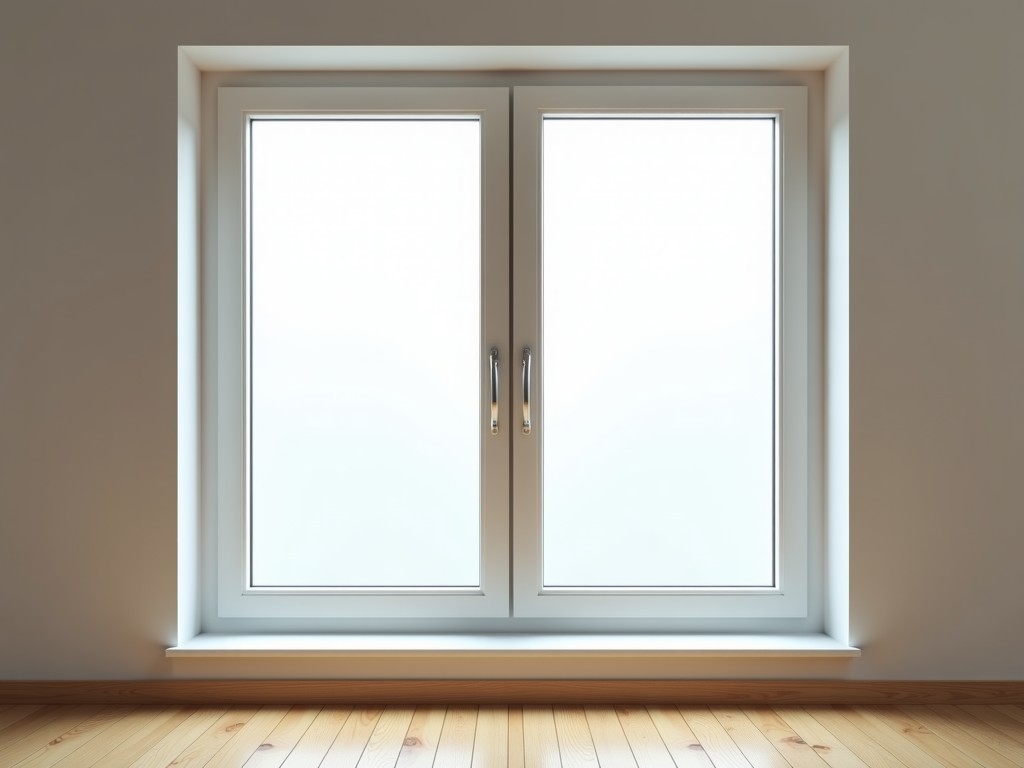
Engineering-Performance Insulated Aluminum Windows for Thermal Envelope Integrity
In modern industrial and commercial architecture, the building envelope serves as the primary barrier against thermal energy loss and structural degradation. While aluminum offers unparalleled strength-to-weight ratios and corrosion resistance, its inherent high thermal conductivity presents a challenge. Insulated aluminum windows address this by integrating high-performance thermal breaks within the profile, effectively decoupling the interior and exterior surfaces to prevent thermal bridging while maintaining the dimensional stability of the metal frame.
The Mechanics of Thermal Break Technology
Standard aluminum extrusions act as thermal conductors, leading to condensation on interior surfaces and increased energy expenditure for HVAC systems. Our insulated profiles utilize a structural thermal break—typically a high-density polyamide strip reinforced with glass fibers—injected into the center of the aluminum extrusion. This barrier interrupts the flow of heat transfer, significantly reducing the U-value (thermal transmittance coefficient) of the window assembly.
The efficiency of the thermal break depends on the geometry of the chamber and the material properties of the insert. Multi-chambered designs increase the air pockets, which act as stagnant insulation, further enhancing performance. For design engineers, this means that even in extreme temperature gradients, the frame remains stable, preventing the "cold spots" that often lead to mold growth and structural damage in non-insulated metal frames.
Material Selection and Manufacturing Precision
We utilize 6063-T5 or 6063-T6 aluminum alloys, selected for their balance of strength and extrudability. The extrusion process is controlled to maintain tight tolerances, ensuring that the frames remain perfectly square—a critical factor for the operation of large-scale units.
- Wall Thickness: Typically ranging from 1.5mm to 3.0mm depending on structural load requirements and wind pressure.
- Surface Treatment: Options include architectural-grade powder coating (AAMA 2603/2605 compliant) or PVDF- for high-corrosivity coastal environments.
- Gasket Systems: EPDM (Ethylene Propylene Diene Monomer) gaskets used for long-term elasticity and UV resistance.
Technical Specifications Overview
| Parameter | Typical Value / Range |
|---|---|
| Thermal Transmittance (U-value) | 1.1 - 1.8 W/m²K (depending on glazing) |
| Air Infiltration Resistance | Class 3 or 4 (per EN 1227) |
| Water Load Resistance | Up to 600 Pa (customizable) |
| Wind Load Resistance | Up to 4000 Pa |
| Glazing Capacity | 24mm to 72mm (Double/Triple glazed) |
Procurement and Lifecycle Considerations
Procurement managers often weigh the initial capital expenditure against long-term operational costs. Unlike vinyl, which may warp under high UV exposure, or, aluminum maintains its geometric integrity for decades. This stability reduces maintenance cycles and prevents the seal failures common in materials with high thermal expansion.
For large-scale projects, supply chain consistency is vital. Our manufacturing process utilizes CNC-driven cutting and corner joining to ensure that every unit in a shipment matches the technical specifications. This minimizes on-site adjustments and accelerates the installation timeline for the construction team.
Application Scenarios
Insulated aluminum windows are specified in environments where structural rigidity and thermal efficiency are non-negotiable:
- Commercial Offices: Where high-performance acoustic insulation and climate control are prioritized.
- Industrial Facilities: Requiring frames resistant to chemical exposure and mechanical impact.
- Modern Residential Architecture: Where slim profiles allow for maximum glass area without sacrificing thermal performance.
Frequently Asked Questions
Does the thermal break affect the structural strength of the frame?
No. The polyamide strips are reinforced with glass fibers, ensuring the frame can handle the same wind and self-weight loads as a solid aluminum profile.
How are these windows maintained over time?
Maintenance is minimal—primarily cleaning the surfaces and checking the gaskets periodically, which are designed to last many years without degradation.
Can these be customized for specific architectural dimensions?
Yes, we provide custom extrusion profiles and assembly based on project-specific CAD drawings and engineering requirements.
Request Technical Consultation
Share your project specifications or BOQ requirements with our engineering team for a detailed quote and performance analysis.
Contact Our Engineering Team