Oem Lift And Slide Door
Oem Lift And Slide Door
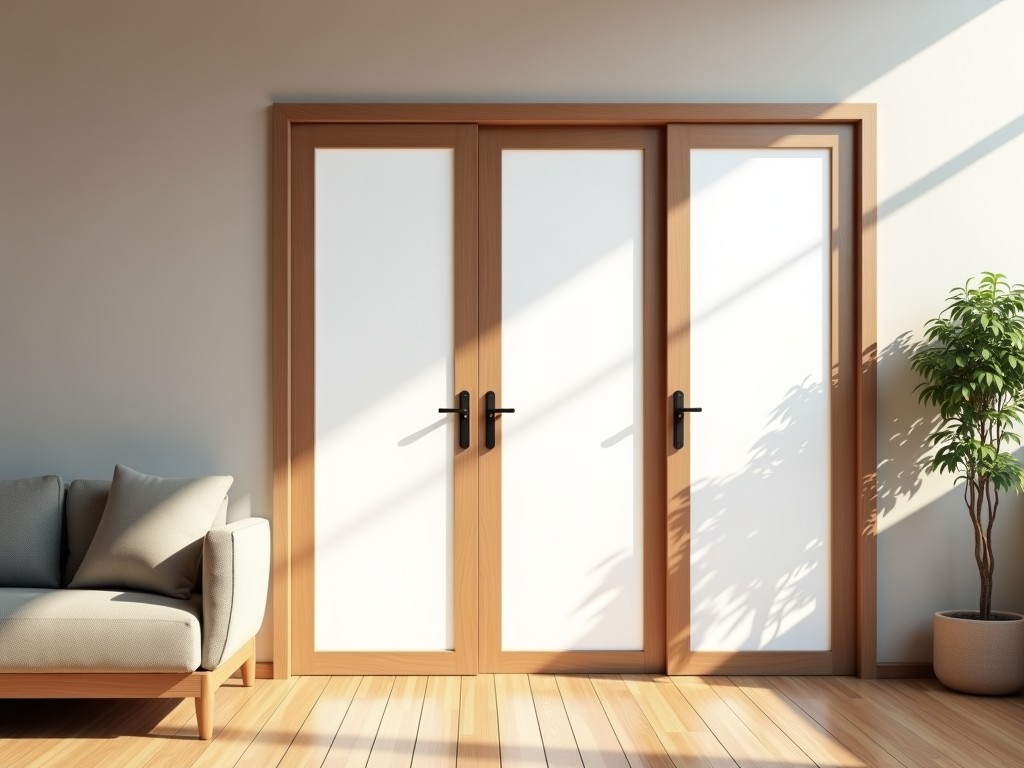
Engineering-Grade OEM Lift and Slide Door Systems
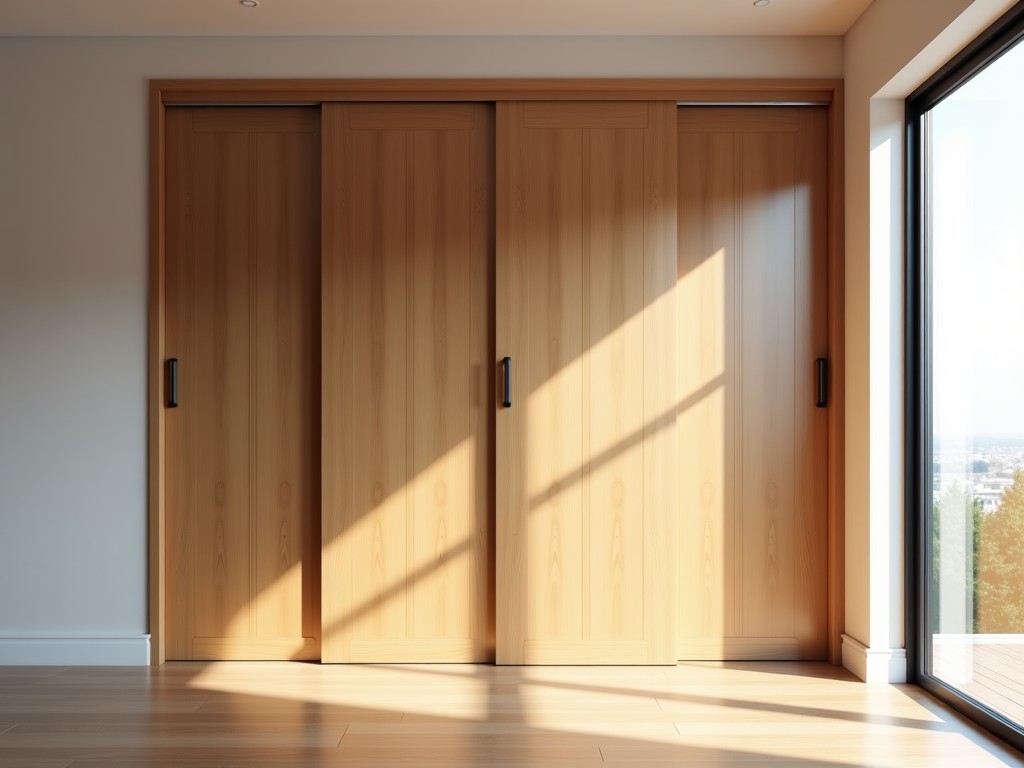
In industrial environments where floor space is limited but structural integrity is paramount, the lift and slide door mechanism provides a critical hybrid solution. Unlike standard sliding tracks, these systems utilize a mechanical linkage to lift the door leaf vertically off the track before moving it horizontally. This process eliminates friction-related wear, prevents debris accumulation in the track channels, and ensures a precise seal even when the door is under heavy-duty cycles.
Mechanical Logic and Operational Advantages
The primary advantage of a lift and slide configuration lies in the synchronization of the lifting stroke. When the actuator is engaged, the internal cam or linear drive raises the door assembly, clearing the threshold or the frame entirely. This mechanism is essential for applications requiring tight thermal or acoustic seals, as a standard sliding door may suffer from misalignments that compromise the gasket.
- Reduced Lateral Load: By lifting the weight during horizontal movement, the lateral force on the rollers is minimized, extending the service life of the hardware.
- Obstacle Clearance: Designed to pass over floor-mounted tracks or minor irregularities that would jam a traditional sliding system.
- Precision Alignment: The vertical lift ensures the door is perfectly square to the frame, maximizing the effectiveness of the perimeter seals.
Material Selection for Industrial Environments
Selecting the correct material for OEM production requires an analysis of the operating environment—specifically corrosion resistance and load-bearing requirements. We typically utilize high-grade aluminum alloys for the door frames to maintain a strength-to-weight ratio, while the internal mechanical components are machined from reinforced steel or stainless steel.
For coastal or chemical processing facilities, Grade 316 stainless steel is specified for the tracks and rollers to prevent oxidative failure. In high-cycle manufacturing plants, we utilize hardened steel components for the lifting cams to ensure that the tolerances do not drift over hundreds of thousands of operations.
Technical Specification Framework
| Parameter | Standard Specification | Customizable OEM Range |
|---|---|---|
| Load Capacity | Up to 300kg per leaf | Up to 800kg+ (Multi-leaf) |
| Lift Height | 15mm - 25mm | Per project frame geometry |
| Actuation Type | Manual / Mechanical Lever | Pneumatic, Electric, or Hydraulic |
| Frame Material | Anodized Aluminum / Powder Coat | Architectural-grade / Galvanized Steel |
| Cycle Rating | 100,000 cycles | High-duty industrial grade |
OEM Manufacturing and Integration Process
Our OEM service focuses on integrating the lift and slide mechanism into your specific product designs. We do not simply provide the hardware; we offer the engineering support required to ensure the mechanism integrates seamlessly with your structural framing. This includes detailed CAD modeling, tolerance stack analysis, and material stress testing specific to your application.
The manufacturing process begins with a technical review of your clearance requirements. We then calculate the necessary torque ratios for the lifting mechanism to ensure that operation remains fluid and without binding. This attention to mechanical advantage reduces the risk of field-assembly failures and minimizes end-user maintenance.
Customization Options
To accommodate diverse industrial standards, we offer the following customization paths:
- Custom Profiles: Extrusions designed for specific thermal breaks or aesthetic needs.
- Surface Finishes: Marine-grade anodizing, architectural powder coating, or specialized coatings for clean-room environments.
- Smart Integration: Integration of sensors for automated position tracking and safety-lock sequences.
Frequently Asked Questions
How does a lift and slide differ from a standard sliding door?
Standard sliders stay on the track. A lift and slide raises the door vertically before moving it, which allows for a tighter seal and protects against debris in the track.
What are the maintenance requirements for these systems?
Maintenance is primarily limited to periodic inspection of the lifting cams and ensuring the track remains clear. The internal mechanisms are typically lubricated for long-term operation.
Can you provide custom load-capacity specifications?
Yes, we design heavy-duty hardware based on the specific weight and cycle frequency requirements of your OEM project.
Ready to integrate these into your project?
Share your technical drawings or project requirements with our engineering team to receive a detailed proposal and feasibility analysis.
Request Technical Specifications