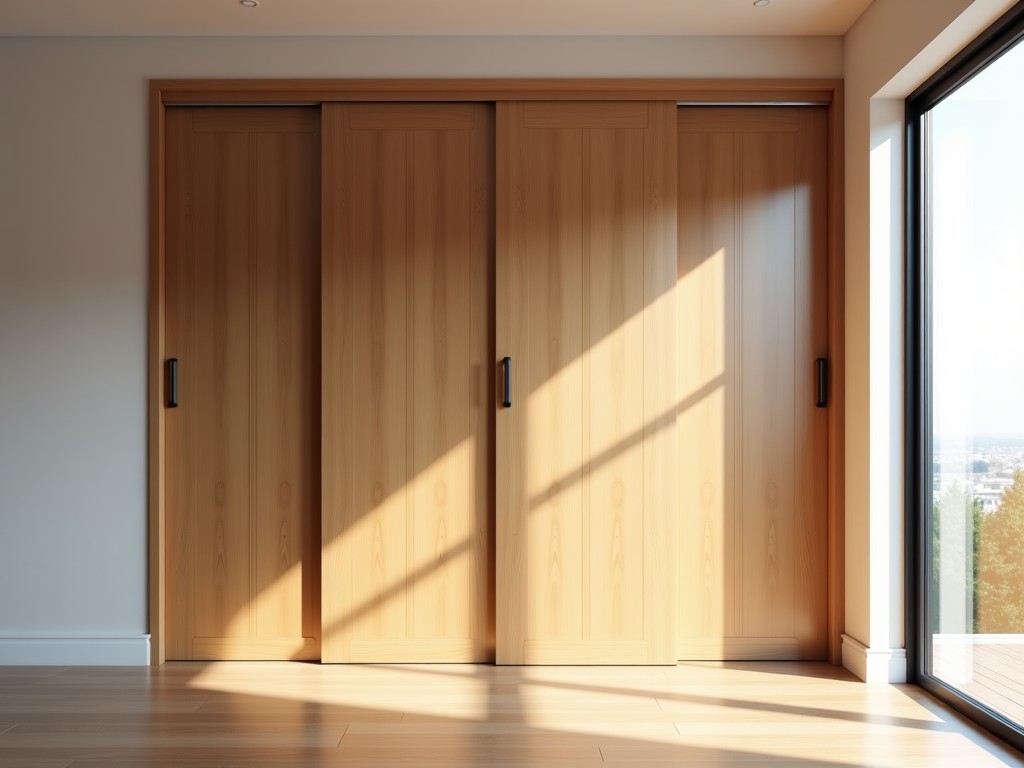
Top Stylish Aluminium Doors
Top Stylish Aluminium Doors
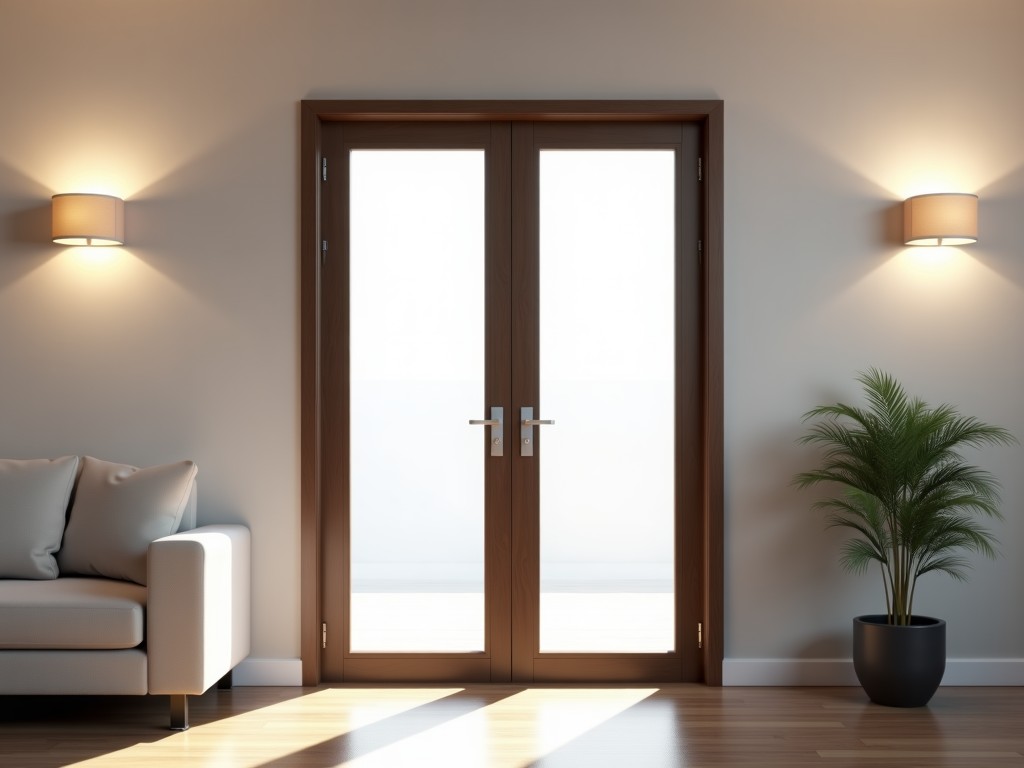
High-Performance Stylish Aluminium Doors for Modern Architectural Integration
Modern architectural requirements demand a balance between aesthetic transparency and structural integrity. Stylish aluminium doors, when engineered with extruded high-strength alloys, provide a superior strength-to-weight ratio that allows for larger glass spans and slimmer sight profiles without compromising thermal performance. Unlike traditional timber or heavy-gauge steel, aluminum systems offer dimensional stability across fluctuating temperature gradients, ensuring that seals remain airtight and hardware operates smoothly over decades of lifecycle.
Engineering Considerations in Material Selection
The performance of an aluminium door system begins with the alloy selection and the tempering process. We typically utilize 6063-T5 series alloys, chosen for their excellent extrudability and consistent mechanical properties. For high-load applications or commercial environments where wind load is a factor, the profile thickness is calculated to resist deflection under peak stress, maintaining the integrity of the EPDM rubber gaskets.
Thermal bridging is a critical factor in modern door design. To achieve low U-values, the profiles are integrated with glass-reinforced polyamide thermal breaks. This internal barrier interrupts the heat conductive path between the interior and exterior surfaces, significantly reducing condensation and improving the overall energy efficiency of the building envelope.
Technical Specifications and Performance Standards
| Parameter | Typical Value / Range | Notes |
|---|---|---|
| Alloy Grade | 6063 / 6063 | High-grade architectural extrusion |
| Profile Wall Thickness | 1.4mm - 3.0mm | Variable based on load requirements |
| Thermal Conductivity (U-Value) | 1.2 - 2.8 W/m²K | Dependent on glass-break configuration |
| Air Tightness Class | Class 4 | Maximum air resistance standard |
| Water Resistance | Class 4/5 | Suitable for high-pressure exposure |
| Surface Finish | Anodized / Powder Coated | Custom RAL colors available (70+ microns) |
Surface Treatment and Corrosion Resistance
The aesthetic longevity of aluminium doors is determined by the surface treatment process. For coastal or high-humidity environments, thick-film anodizing is recommended to provide a protective oxide layer that is highly resistant to oxidation. For specific color requirements, architectural-grade powder coating (compliant with Qualicoat standards) provides a durable finish that is UV-resistant, preventing fading and chalking over prolonged solar exposure.
Each profile undergoes a rigorous pre-treatment process to ensure maximum adhesion of the coating. This prevents delamination and peeling, which are common points of failure in lower-quality industrial door products.
Application Scenarios and Industrial Utility
- Commercial Office Spaces: Large-format sliding or hinged door systems that maximize natural light while maintaining acoustic insulation.
- High-End Residential: Minimal profiles for luxury villas where slim sightlines and thermal efficiency are primary KPIs.
- Hospitality & Retail: High-traffic entrance systems designed for frequent duty cycles and ease of maintenance.
- Institutional Projects: Secure, fire-resistant doors that meet stringent safety standards with modern architectural aesthetics.
Customization and OEM Capabilities
We understand that project specifications often require bespoke solutions. Our manufacturing process allows for the customization of profile geometries, integrated hardware channels, and specialized glazing configurations. Whether a project requires multi-span folding doors, concealed-track systems, or specific locking mechanisms for high-security hardware, our engineering team works directly with project architects to ensure tolerances are met within ±0.5mm where required.
Discuss your project requirements.
Share your technical drawings, specifications, or performance requirements for a customized proposal. Our engineers are available to assist with material selection and structural planning.
Request Technical Consultation