Wholesale Outward Opening Window
Wholesale Outward Opening Window
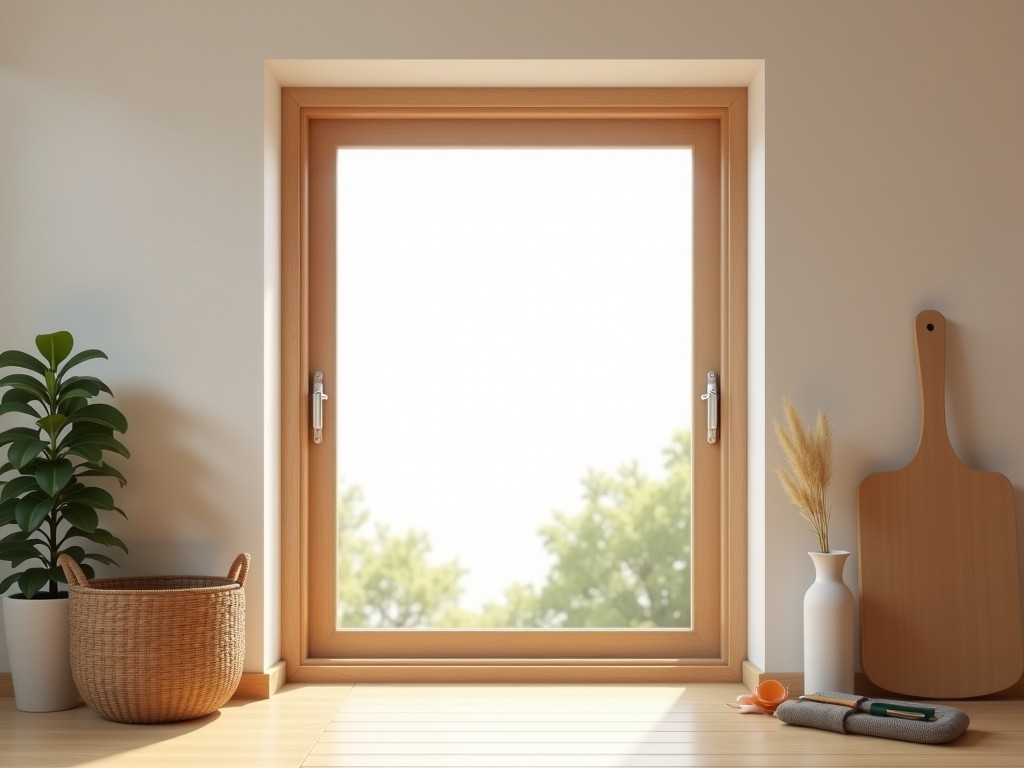
Engineering Specifications and Performance of Outward Opening Window Systems
Outward opening windows, often categorized as casement or awning configurations, are engineered for environments where interior space is limited and airtight performance is critical. Unlike inward-opening or sliding mechanisms, the entire window sash pivots outward on heavy-duty hinges, providing an unobstructed view and allowing for maximum ventilation airflow. This mechanical configuration is particularly effective in high-performance building envelopes where maintaining thermal integrity and preventing wind-driven dust accumulation on internal tracks are operational priorities.
Mechanical Advantage and Structural Integrity
The primary engineering advantage of an outward opening system lies in the compression-seal mechanism. When the sash is closed, the hardware forces the frame against a perimeter gasket system, creating a high-pressure seal that significantly reduces air infiltration and water ingress compared to sliding units, where the tracks often remain points of leakage. For industrial and commercial-grade applications, this translates to a lower U-value and better resistance to structural loads during high-pressure weather events.
To ensure longevity over thousands of duty cycles, the hardware hardware must utilize high-grade stainless steel or reinforced aluminum alloy hinges. These components are designed to handle the cantilevered weight of the glass, preventing the sag that can lead to misalignment and seal failure over time. In multi-pane configurations, the structural rigidity of the frame is vital to ensure that the geometry remains square under thermal expansion and contraction.
Technical Specifications and Material Variance
| Parameter | Standard Specification | Industrial/Heavy Duty |
|---|---|---|
| Frame Material | Extruded Aluminum (6063-T5) | Reinforced Steel / Thermal Break Alu |
| Glazing Type | Double Glazed (24mm-28mm) | Triple Glazed / Argon-Infilled (30mm+) |
| Gasket Material | EPDM Rubber | High-Performance Silicone / TPV |
| Air Leakage Rating | Class 4 | Class 5 (Enhanced Seal) |
| Wind Load Resistance | Up to 1500 Pa | Up to 3000 Pa (Customizable) |
Application Logic and Environmental Considerations
Selecting the correct outward opening configuration requires an analysis of the site-specific stressors. In coastal environments with high salinity, the surface treatment of the frame is non-negotiable to prevent galvanic corrosion and oxidation. In urban zones with high noise pollution, thermal breaks within the aluminum extrusions are essential to prevent condensation on the interior surface and to maintain energy efficiency standards.
- Space Optimization: Ideal for narrow corridors or rooms where inward-swing windows would interfere with furniture or machinery.
- Maximum Ventilation: The outward swing allows for the full opening area to be utilized, maximizing air exchange rates in laboratory or industrial spaces.
- Security Integration: Because the hinges are located on the exterior, the sash is inherently more difficult to pry open from the outside.
Customization and OEM Capabilities
For large-scale architectural projects, we provide customization that goes beyond standard dimensions. This includes custom frame profiles for integrated solar shielding, security mesh systems, and specialized finishes to match corporate aesthetic requirements. Our manufacturing process ensures that dimensional tolerances are maintained within ±1.5mm across large batches, ensuring seamless installation in multi-window facade systems.
If your project requires specific wind-load ratings or specialized hardware, our engineering team can review your technical drawings to provide a tailored solution. Discuss your project requirements with our engineering team.
Frequently Asked Questions
What are the maintenance requirements for outward opening hardware?
Maintenance is primarily limited to periodic lubrication of the hinge points and ensuring the EPDM gaskets are free of debris. Regular inspection of the seal points prevents premature wear damage and maintains the thermal rating.
Can these windows handle large-format glass?
Yes, provided the frame reinforcement and hinge hardware are specified for the glass weight. We typically recommend multi-point locking systems for sashes exceeding standard-duty glazing units.
What is the typical lead time for custom OEM orders?
Lead times vary based on volume and specialized glazing requirements, but we generally provide a detailed timeline following the technical review of your project specifications.