Acoustic Ceiling System Supplier
Acoustic Ceiling System Supplier
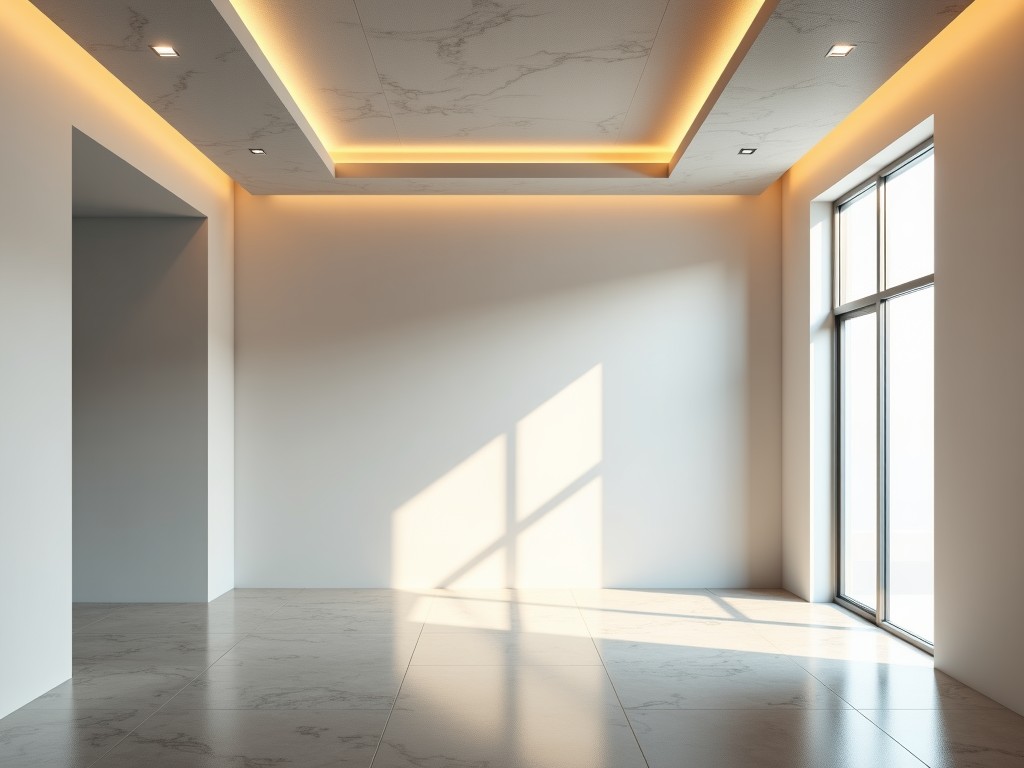
Engineering-Grade Acoustic Ceiling Systems for Industrial and Commercial Infrastructure
In high-occupancy environments and large open industrial spaces, acoustic control is not an aesthetic choice but a critical technical requirement. As a specialized acoustic ceiling system supplier, we provide solutions engineered to mitigate reverberation times while maintain structural integrity and long-term durability. Our systems focus on the physics of sound absorption and diffusion, ensuring that noise levels meet specific speech intelligibility and workplace reverberation time (RT) standards.
The Mechanics of Acoustic Performance Selection
Standard ceiling tiles often fail to address low-frequency noise common in manufacturing plants or busy open-plan offices. We evaluate systems based on the Noise Reduction Coefficient (NRC) and the Sound Absorption Alpha (α). By selecting specific material densities—ranging from mineral wool to high-density fiberglass—we can control how sound energy is converted into heat rather than being reflected back into the functional space.
Key Technical Variables for Procurement
- NRC Rating: Measures the proportion of sound absorbed across the frequencies (250 to 4000 Hz).
- STC (Sound Transmission Class): Evaluates the system's ability to block sound passing through the partition.
- Structural Load Capacity: The ability of the grid system to support HVAC ducts, lighting fixtures, and fire suppression.
- Humidity Resistance: Critical for industrial kitchens or regions with high moisture content.
Material Composition and Manufacturing Standards
The choice of substrate material dictates the lifecycle and maintenance requirements of the ceiling system. We supply various material configurations, each tailored to specific environmental stress factors.
| Material Type | Primary Benefit | Typical NRC | Best Application |
|---|---|---|---|
| Mineral Fiber | High sound absorption, fire rating | 0.70 - 0.95 | Offices, Schools |
| Perforated Metal | Durability, moisture resistance | 0.50 - 0.75 | Laboratories, Industrial |
| Fiberglass Core | Extreme NRC, lightweight | 0.90 - 1.00 | Auditoriums, Large Halls |
| Wood Woollat | Aesthetics, natural material | 0.60 - 0.80 | Luxury Retail, Hotels |
Installation Precision and Grid Stability
Acoustic systems are only as performant as their support structure. We utilize galvanized steel suspension grids with high-tolerance hangers to ensure leveling across large spans. Misalignment in the grid can lead to sagging tiles or uneven gaps, which compromises both the acoustic seal and the visual continuity of the installation.
For large-scale projects, we recommend independent-wire systems that account for thermal expansion and contraction of the building structure. This ensures that the ceiling remains level over decades of operation, preventing the mechanical failure often seen in lower-grade alternatives.
Customization and OEM Capabilities
We recognize that architectural requirements often demand beyond off-the-shelf solutions. Our manufacturing capabilities include custom dimensions, specific perforation patterns for tuned acoustic frequencies, and integrated finishes for seamless HVAC integration.
- Custom-cut tiles for complex architectural layouts.
- Specialized coatings for anti-microbial cleanroom environments.
- Integrated support systems for heavy-lighting and sensor arrays.
Frequently Asked Technical Questions
How do you ensure fire safety for industrial ceilings?
Most of our mineral fiber and metal systems meet Class A fire ratings, meaning they provide high flame resistance and low smoke spread. Detailed test reports are available upon project specification.
Can these systems be used in high-humidity environments?
For high-humidity, we specify wood wool or metal systems with specialized protective coatings to prevent degradation and mold growth common in standard gypsum products.
What is the typical lead time for large-scale procurement?
Lead times vary based on volume and customization requirements. Standard stock items are typically processed quickly, while custom-perforated metal requires a specific production cycle.
Ready to Specify Your Acoustic Project?
Share your project drawings and acoustic requirements with our engineering team for a technical evaluation and quotation.
Request Technical Consultation