
Aluminum Honeycomb Panel Supplier
Aluminum Honeycomb Panel Supplier
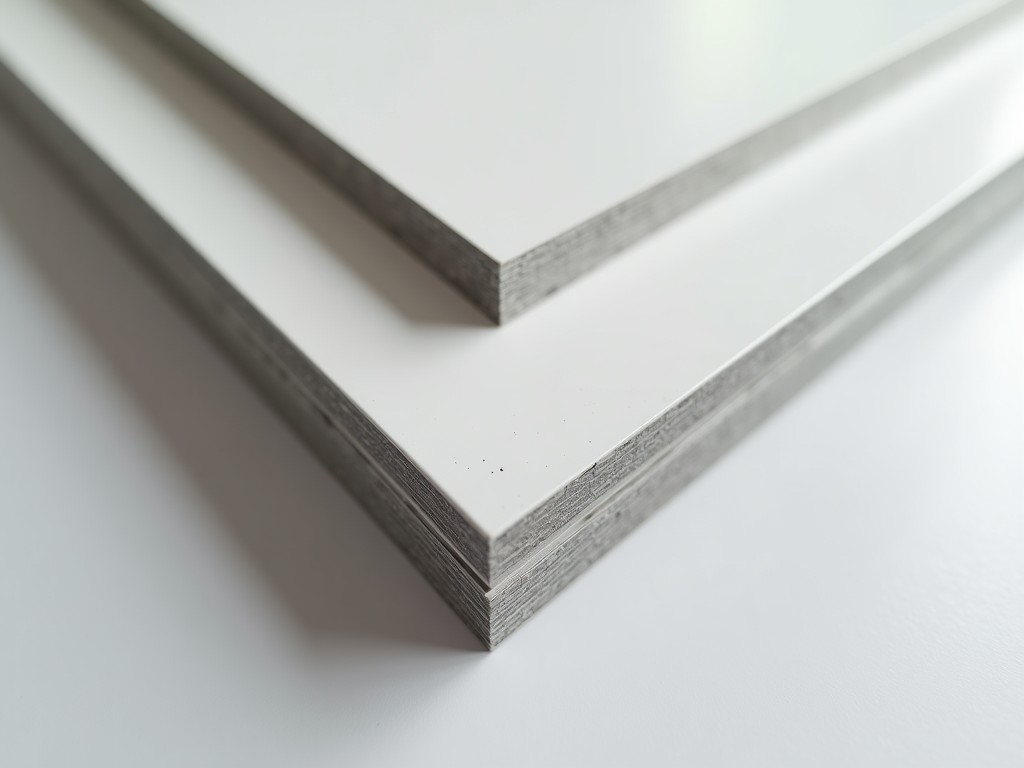
High-Performance Aluminum Honeycomb Panels for Structural Integrity and Mass Reduction
In engineering sectors where strength-to-weight ratio is the primary design metric, aluminum honeycomb panels offer a solution alternative to solid plates or traditional composite structures. These panels consist of a hexagonal core—typically made from thin aluminum foil—bonded between two thin face sheets. This configuration provides exceptional shear and compressive resistance while significantly reducing dead weight, making them indispensable for aerospace, transit transport, and high-end industrial manufacturing.
Engineering Mechanics and Material Selection
The performance of an aluminum honeycomb panel is dictated by the relationship between the cell geometry and the face sheet properties. The cell size—the distance between the centers of adjacent hexagonal cells—affects the overall stiffness and buckling resistance. Smaller cell sizes generally offer higher load capacity and better resistance to crushing, whereas larger cells are utilized to minimize weight in applications where extreme loads are not the factor.
We typically utilize 3003 or 5052 aluminum alloys for the core due to their balance of formability and corrosion resistance. For applications requiring higher tensile strength or thermal stability, 6061 alloys may be specified. The bonding process is equally critical; using aerospace-grade phenolic resins or structural adhesives ensures uniform stress distribution between the face sheets and the core, preventing delamination under thermal cycling or mechanical fatigue.
Technical Specifications Overview
| Parameter | Standard Range / Value | Engineering Impact |
|---|---|---|
| Core Cell Size | 3mm to 25mm | Affects core shear modulus and weight density |
| Core Thickness | 5mm to 200mm+ | Determines moment of inertia and profile |
| Face Sheet Thickness | 0.1mm to 4.0mm | Controls bending stiffness and skin tension |
| Flatness Tolerance | ±0.5mm per 1000mm | Critical for precision fit assembly |
| Core Density | 30kg/m³ to 500kg/m³ | Balances total panel weight |
Manufacturing and Customization Capabilities
Our production process involves precision-controlled expansion of aluminum foil to create the honeycomb structure, followed by continuous press bonding. This ensures that the internal geometry remains consistent across the entire width of the panel. For complex OEM requirements, we offer various customization services that integrate directly into your downstream assembly line:
- Precision Routing: Creating access ports for wiring or mechanical components without compromising the structural fiber path.
- Edge Sealing: Application of mechanical or chemical seals to prevent moisture ingress into the core.
- Profile Cutting: CNC milling and waterjet cutting for complex aerodynamic or architectural shapes.
- Forming: Heat-setting vacuumforming to stabilize the panel for curved applications.
Industrial Application Solutions
Aluminum honeycomb panels are specified where weight reduction directly translates to operational efficiency or increased payload capacity. In the aerospace industry, they serve as floor panels and interior walls. In the automotive sector, they are utilized in high-speed train body components and crash structures to manage energy absorption while maintaining low mass.
Transport & Aerospace
Rigid panels for aircraft interiors, satellite structures, and aerodynamic fairings for EVs.
Industrial Infrastructure
Lightweight mounting platforms, acoustic insulation panels, and high-strength architectural cladding.
Quality Assurance and Inspection Standards
To ensure reliability in demanding environments, every batch undergoes rigorous testing. We verify the bond strength between the core and face sheets using shear testing to ensure no premature adhesive failure. Dimensional stability is monitored via laser measurement to guarantee flatness within the specified tolerances. For critical-path components, non-destructive testing (NDT) can be performed to detect internal voids or defects within the honeycomb matrix.
Ready to discuss structural specifications for your project?
Share your technical drawings, material requirements, and load specifications with our engineering team for a consultation.
Request Technical Data & Quotation