Aluminum Profiles Supplier
Aluminum Profiles Supplier
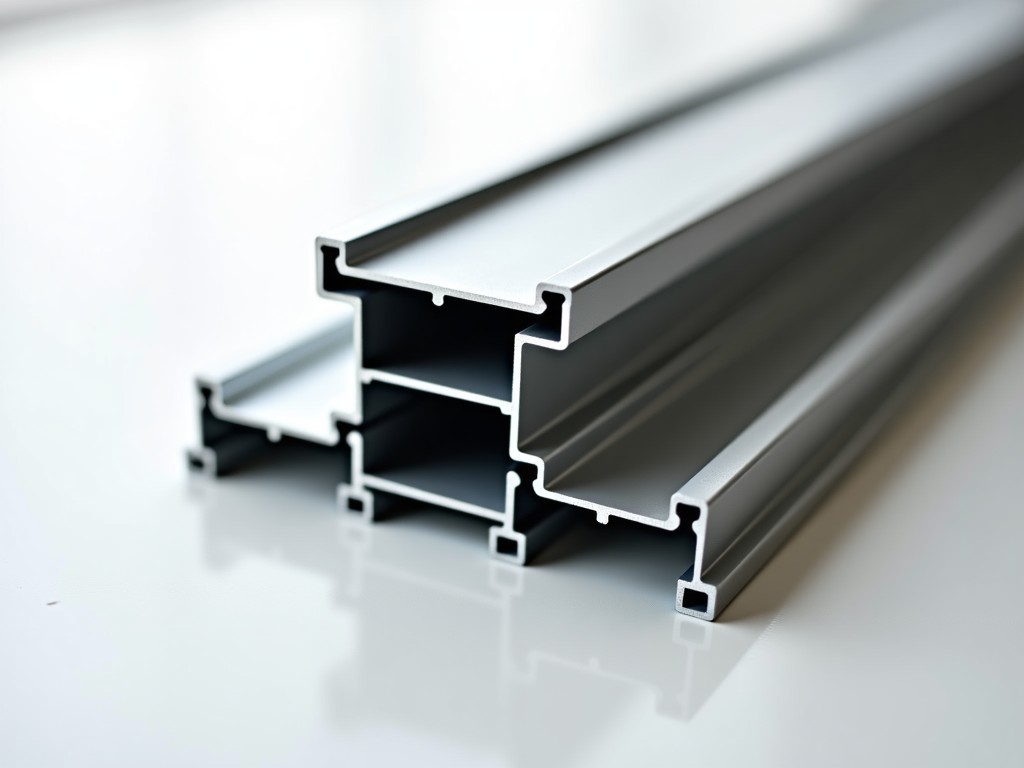
Precision Extruded Aluminum Profiles for Industrial Structural Applications
Selecting the right structural component requires a balance between strength-to-weight ratio, dimensional stability, and surface corrosion resistance. Our aluminum profiles serve as the backbone for modern automation lines, cleanroom environments, and architectural framing. Unlike generic-grade extrusions, we focus on the metallurgical process to ensure that every cross-section maintains strict geometric tolerances, preventing assembly issues in large-scale manufacturing projects.
Engineering Considerations: Material Selection and Temper
The performance of an aluminum profile is dictated by its alloy composition and the heat treatment temper. For structural applications, we prioritize the 6000 series due to its excellent balance of extrudability and mechanical properties.
- 6063-T6: The industry standard for structural framing. It offers superior corrosion resistance and surface finish, making it ideal for machine frames and aesthetic enclosures.
- 6061-T6: Utilized when higher yield strength and mechanical integrity are required, though it is more complex to extrude.
- 5052-T5: Selected for components requiring high formability and excellent resistance in marine or corrosive environments.
Technical Specifications and Tolerance Control
Consistency is the primary challenge in mass extrusion. We utilize high-precision steel dies to ensure that wall thickness, corner radii, and straight remain within specified limits. This is critical for engineers designing modular systems where a sub-millimeter deviation can compromise the entire assembly.
| Parameter | Standard Specification | Engineering Impact |
|---|---|---|
| Linear Tolerance | ±0.15mm to ±0.3mm | Ensures precise alignment of rails and joints. |
| Straightness | 1.5mm per 2000mm | Prevents bowing in long-span structural beams. |
| Wall Thickness | ±10% nominal | Guarantees structural load-bearing capacity. |
| Dihedral Angle | ±0.5° | Critical for square-profile assembly frames. |
Surface Treatments for Industrial-Specific Longevity
The environment in which the profile operates determines the necessary finish. We provide a range of surface treatments to enhance both durability and functional performance:
- Clear Anodizing (Class II/III): Creates a protective oxide layer that increases surface hardness and prevents oxidation. Ideal for indoor industrial machinery.
- Black Anodizing: Provides a high-end aesthetic with added wear resistance for visible-facing laboratory equipment.
- Powder Coating: Offers maximum chemical resistance and color-coding capabilities where safety-zone marking is required.
- Chemical Passivation: Used for components where electrical conductivity must be maintained without a thick coating.
Custom Extrusion and OEM Capabilities
For specialized applications beyond standard T-slot or square profiles, our custom extrusion service handles the full development lifecycle. We work with your design team to optimize the cross-section, reducing material weight while maintaining the required moment of inertia.
Our process includes CNC-die design and thermal flow analysis to predict potential warping or cooling issues before the first billet is cast. This proactive approach reduces tooling iterations and ensures that high-volume orders remain consistent over long timelines.
Quality Assurance and Logistics
Supply chain reliability is built on rigorous inspection. Every batch undergoes quality testing, including chemical composition analysis and tensile strength verification. For international shipping, we utilize specialized reinforced packaging—including wooden crates and internal protective transit tubes—to ensure that profiles arrive at your facility without surface scratches or deformation.
Request a Technical Consultation
Are you looking for a specific profile or need a custom extrusion designed? Our engineering team is available to provide material recommendations and volume quotes based on your CAD files.
Discuss Project Requirements