Balcony Glass Railing Glazing Wholesale
Balcony Glass Railing Glazing Wholesale
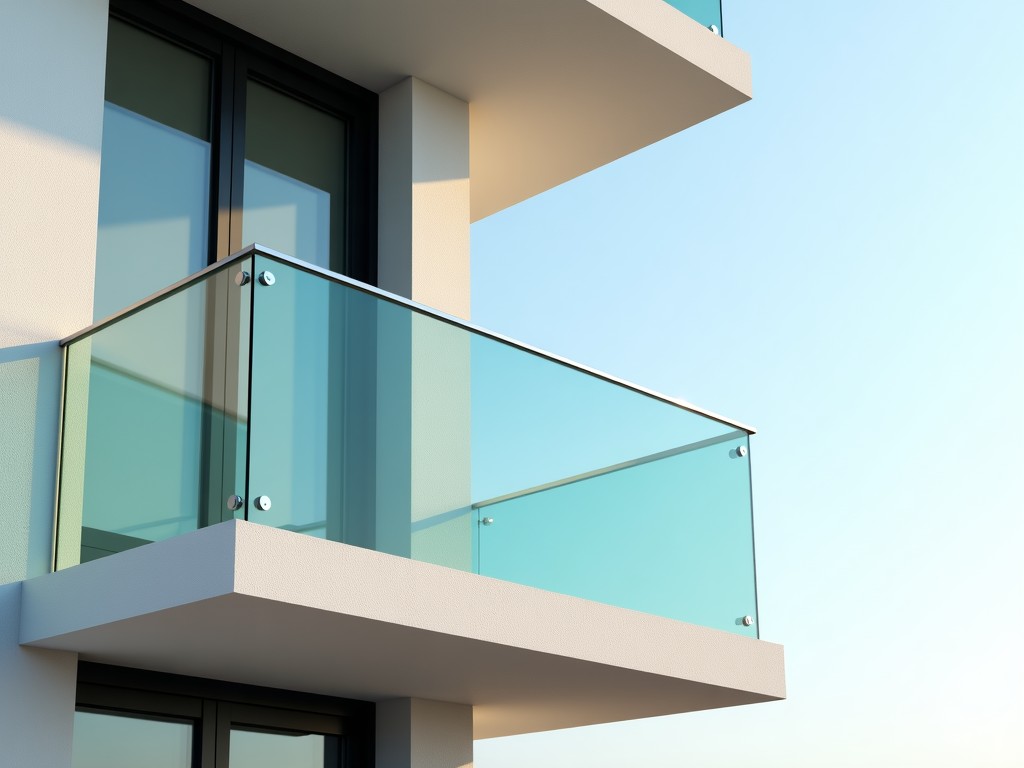
Engineering Specifications for Balcony Glass Railing Glazing
Implementing modern glass railing systems requires a precise balance between structural integrity, safety compliance, and aesthetic transparency. For engineers and architects, the challenge lies in ensuring the glazing system can withstand lateral wind loads, thermal expansion, and impact forces without compromising the architectural profile. Unlike standard window glazing, balcony systems must function as a load-bearing safety barrier where the fixing method and the hardware interface are as critical as the glass laminate itself.
Structural Integration and Glazing Methods
The choice of glazing method dictates the load distribution across the balcony structure. There are three primary engineering approaches used in contemporary industrial construction, each offering different performance characteristics and maintenance requirements:
- Base U-Channel Glazing: The glass is secured within a recessed aluminum or steel channel bolted to the slab. This provides a minimalist frameless appearance but requires high-precision tolerances in the substrate preparation to ensure even pressure and alignment.
- Point-Fixed Spigots: Glass panels are held by stainless steel bolts passing through pre-cut holes. This method is ideal for maximizing unobstructed views but requires careful calculation of the laminated glass thickness to prevent stress concentrations at the bolt points.
- Framed Post and Rail Systems: Glass is housed within a metal framework. This configuration offers the highest structural rigidity and is often the easiest to install in environments where the slab edge is not perfectly plumb.
Material Selection for Environmental Durability
In balcony applications, monolithic glass is rarely used due to safety regulations. The industry standard is laminated safety glass, which ensures that in the event of a break, the interlayer holds the glass shards in place, maintaining the fall barrier and preventing debris from falling.
The selection of the interlayer is vital for long-term performance in exposed outdoor environments. While Polyvinyl Butyral (PVB) is common for interior use, it can suffer from delamination if exposed to extreme moisture ingress. For high-performance balcony glazing, SentryGlas (ionoplast) interlayers are often specified due to their superior moisture resistance and UV stability, which ensures the railing remains clear over decades of exposure.
Technical Specification Comparison
| Parameter | Standard Residential | Commercial/High-Rise |
|---|---|---|
| Typical Glass Thickness | 10mm - 12mm | 17mm - 25mm+ (Laminated) |
| Interlayer Type | Standard PVB | Ionoplast / SentryGlas |
| Load Capacity | Standard Pedestrian Load | High Wind Load / Impact Resistant |
| Edge Treatment | Clear / Tinted | Low-E / Heat Reflective |
Manufacturing Tolerances and Control
Achieving a seamless fit requires the manufacturing process to adhere to strict dimensional tolerances. For glass-to-metal interfaces, the allowable variance is often within ±2mm across the entire height of the panel. We utilize CNC edge cutting and precision polishing to ensure that edges are perfectly flat, preventing "stress points" that can lead to spontaneous glass failure under thermal stress.
Furthermore, the thermal tempering process of the glass must be monitored to ensure uniform surface strength. When tempered glass is laminated, the cooling rate is carefully controlled to maintain the interlayer's integrity without risk of warping, which would cause uneven gaps in the glazing channels.
Installation and Maintenance Considerations
On-site, the glazing performance depends on the quality of the gaskets. Using EPDM (Ethylene Propylene Di Monomer) gaskets is essential to prevent direct contact between glass and metal hardware. These gaskets act as thermal shock absorbers and vibration dampeners, preventing the glass from cracking due to building movement or expansion.
Maintenance is minimal but requires regular inspection of the hardware connections. In coastal environments, stainless steel grade 316 is mandatory over grade 304 to prevent pitting corrosion, which can eventually weaken the structural bolts holding the glass in place.
Frequently Asked Questions
Can the glazing be customized for curved balcony designs?
Yes, heat-bent laminated glass can be manufactured for curves. This requires specific radius specifications early in the design phase to ensure the structural frame matches the glass curvature.
What are the safety standards for balcony glass glazing?
Compliance varies by region (e.g., ASTM E1363 in the US, EN standards in Europe), but generally requires laminated safety glass that can maintain a fall barrier even after the glass is fractured.
Discuss Your Project Technical Requirements
Whether you are in the early design phase or have finalized drawings ready for production, our engineering team can provide technical consultations on glazing systems and hardware compatibility.
Request Technical Specification or Quotation