China Fixed Skylight
China Fixed Skylight
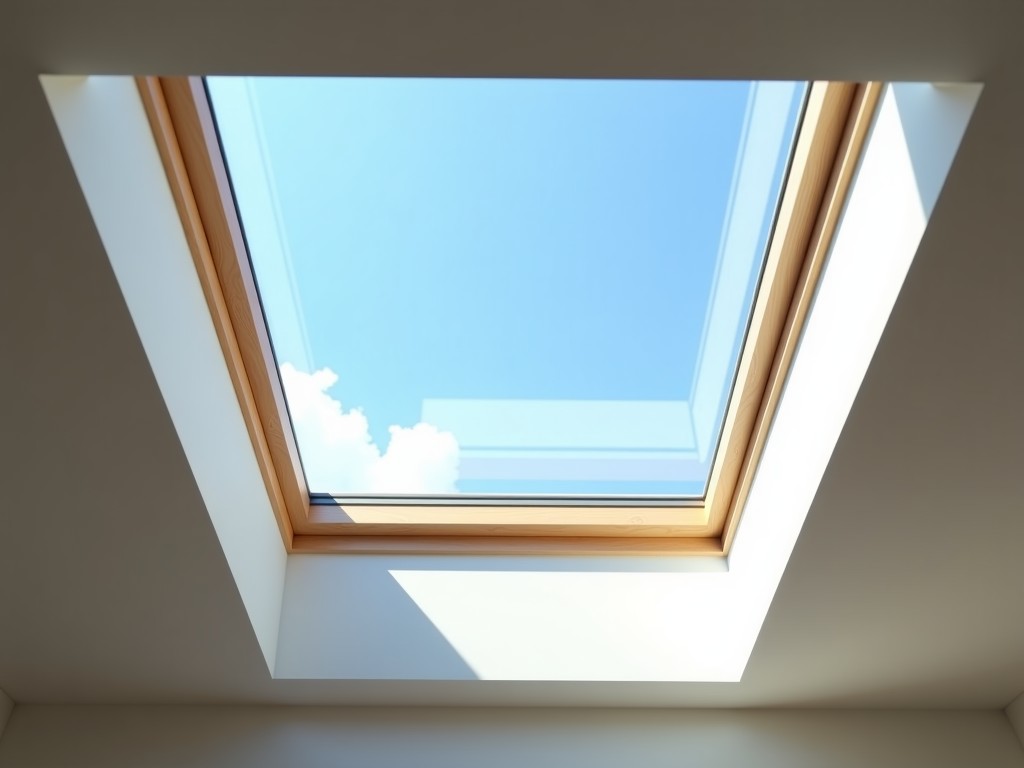
High-Performance Fixed Skylight Solutions for Industrial Architecture
Integrating natural light into large-scale industrial facilities requires a balance between thermal efficiency, structural integrity, and maintenance minimisation. Fixed skylights provide a static solution for significant daylighting while maintaining the airtight seal of the roof or wall envelope. Unlike operable units, fixed systems are engineered for long-term stability, eliminating the mechanical risks associated with moving parts in high-altitude or demanding production environments.
Engineering Considerations for Material Selection
When specifying a fixed skylight from Chinese manufacturing hubs, the choice of frame material and glazing directly dictates the unit's lifecycle. Most high-tier industrial installations utilize extruded aluminum alloys due to their high strength-to-weight ratio and inherent corrosion resistance. For coastal or chemically aggressive environments, the coating process—typically thermosetting polyester or high-grade powder coating—is mandatory to prevent oxidative degradation of the substrate.
The glazing material is equally critical for thermal performance. Tempered safety glass is the industry standard for impact resistance, ensuring that in the event of failure, the material breaks into blunt granules. For projects requiring strict thermal control, double or triple glazing units with Low-E coatings are employed to reduce the U-value, significantly lowering the cooling load on HVAC systems in large factory floors.
Technical Specifications and Standards
| Parameter | Typical Industrial Standard |
|---|---|
| Frame Material | 6063-T5 Extruded Aluminum |
| Glazing Options | Tempered Glass / Polycarbonate / Laminated Glass |
| Load Resistance | Snow and Wind loads up to 2.5 kN/m² (custom design) |
| Sealing System | EPDM Gaskets / Structural Silicone |
| Waterness Rating | Class 4 (High water-tightness) |
Manufacturing and Quality Control
Precision in fixed skylights begins with CNC-controlled extrusion to ensure dimensional consistency across large batches. This consistency is vital for on-site installation, where misalignments can lead to water ingress or stress. The assembly process involves multi-stage gasketting to ensure the glazing is held securely within the frame while allowing for thermal expansion and contraction without compromising the seal.
To mitigate risk for procurement managers, units undergo rigorous testing. This includes pressure spray tests to verify water-tightness and impact tests on the glazing components. For OEM requirements, the manufacturing process can be adapted to accommodate specific roof profiles, such as standing seam metal, tiling, or concrete slab systems.
Application Scenarios
- Logistics and Warehousing: Reducing reliance on artificial lighting in high-ceiling-clear storage facilities.
- Manufacturing Assembly Centers: Providing diffused natural light for precision tasks while maintaining a controlled thermal environment.
- Commercial Facilities: Enhancing worker well-being and productivity through increased daylight exposure.
- Retail Showroms: Utilizing natural spectrum light for product display without the heat of direct sunlight.
Frequently Asked Questions
Can these fixed skylights be customized for specific roof dimensions?
Yes, while standard sizes are available for faster delivery, the frame profiles can be manufactured to specific architectural drawings to ensure a flush fit with your existing roof structure.
What is the maintenance requirement for fixed units?
Because there are no moving parts, maintenance is limited to periodic visual inspections of the gaskets and cleaning of the glazing surface to maintain optimal light transmission.
How does the system handle extreme temperature fluctuations?
The frames are designed with expansion joints and EPDM gaskets that allow the glass to expand and contract independently, preventing structural stress or seal failure.
Need technical drawings or a custom quote for your project?
Contact Our Engineering Team