China Glass Balustrade
China Glass Balustrade
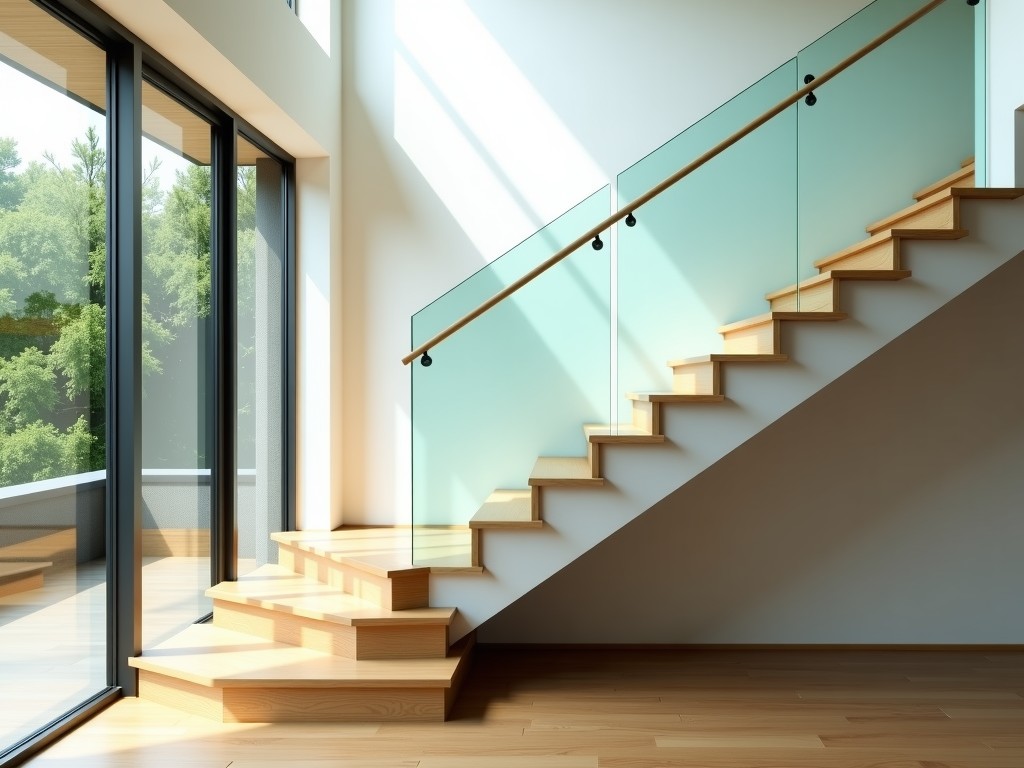
Engineering Specifications and Procurement Guide for Glass Balustrade Solutions
Sourcing-performance glass balustrades requires a technical understanding of structural integrity, optical clarity, and safety compliance. China-based manufacturing has evolved into high-precision glass processing, utilizing advanced tempered and laminated technologies to meet international load-bearing standards for commercial and residential architectural projects.
Material Selection and Structural Integrity Analysis
The choice of glass type is the primary determinant of the balustrade's safety and impact resistance. In industrial-scale applications, the distinction between simple tempered glass and laminated safety glass is critical. While tempered glass offers high compressive strength, its failure results in fragmentation. For balustrades, laminated glass utilizes an interlayer—typically PVB (Polyvinyl Butyral) or SentryGlas—to ensure shards remain bonded even after a structural break.
For high-traffic environments or public-facing infrastructure, engineers often specify 12mm to 19mm laminated tempered glass. The SentryGlas interlayer is increasingly preferred for exterior applications or high-heat environments, as it chemically bonds with the glass, providing superior fire resistance and maintaining clarity far longer than standard PVB under thermal stress.
Technical Specification Table
| Parameter | Standard Industrial Range | Application Consideration |
|---|---|---|
| Glass Thickness | 10mm - 25mm | Determined by height and wind load requirements. |
| Interlayer Type | PVB / SGP (Ionentry) | SGP recommended for structural-heavy loads. |
| Edge Finish | Flat Polished / Beveled | Flat polish is standard for safety and aesthetic clarity. |
| Tolerance | ±1.0mm to ±2.0mm | Critical for channel-fit base shoe alignment. |
| Surface Treatment | Clear / Tint / Frosted / Acidched | Affects light transmission and privacy levels. |
Manufacturing Process and Quality Control
The production of industrial glass balustrades begins with precision CNC waterjet cutting to ensure dimensional accuracy against architectural drawings. Following cutting, the glass undergoes edge polishing to remove micro-fractures that could lead to spontaneous failure during the tempering process.
- Tempering: Thermal heating and rapid cooling to increase tensile strength by 5x.
- Lamination: Bonding glass layers with specialized laminates in a clean-room production environment.
- Hole Drilling: Precision CNC boring for hardware fixoffs or clamps, performed prior to final tempering.
- Testing: Impact testing, load-bearing verification, and visual inspection for delamination or bubbles.
Hardware Systems and Installation Logic
A procurement team must evaluate the hardware mounting system based on the structural substrate. Base-channel systems (aluminum) offer a seamless, frameless aesthetic but require precise floor leveling and heavy mechanical anchoring during installation. Post-mounted systems using stainless steel (304 or 316 grade) provide maximum mechanical rigidity where point loads are required.
For coastal or humid environments, 316 stainless steel is non-negotiable to prevent pitting corrosion. The interface between the glass and metal must utilize EPDM or silicone gaskets to allow for thermal expansion and prevent direct stress concentrations on the glass edges.
Frequently Asked Technical Questions
Can glass balustrades withstand high-wind-load areas?
Yes, provided the glass thickness and mounting system are calculated based on local wind pressure zones. Laminated tempered glass is typically specified for these applications to provide high deflection capacity.
What is the difference between PVB and SGP interlayers?
PVB is standard for interior use. SGP (Ionentry) is significantly stiffer and maintains the structural integrity of the panel even if both glass layers are fully broken.
How is the glass protected during international shipping?
Industrial orders are packed in custom-built wooden crates with foam cushioning and edge-protection beams to prevent edge-to-edge impact during transit.