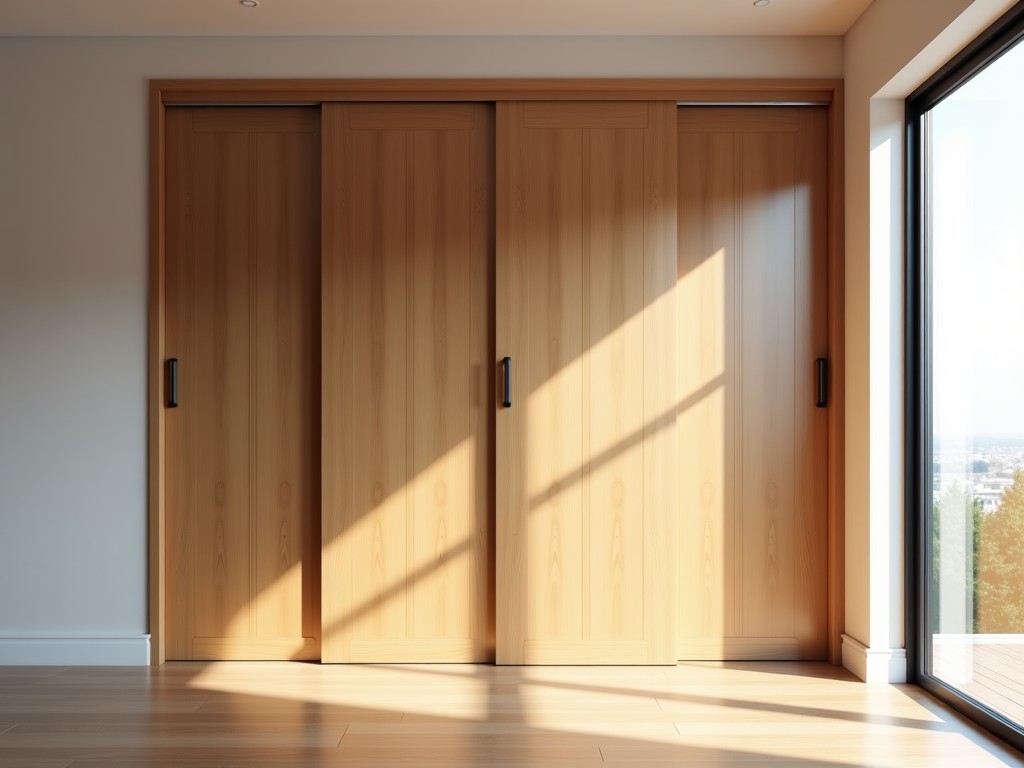
Demountable Partition Factory
Demountable Partition Factory
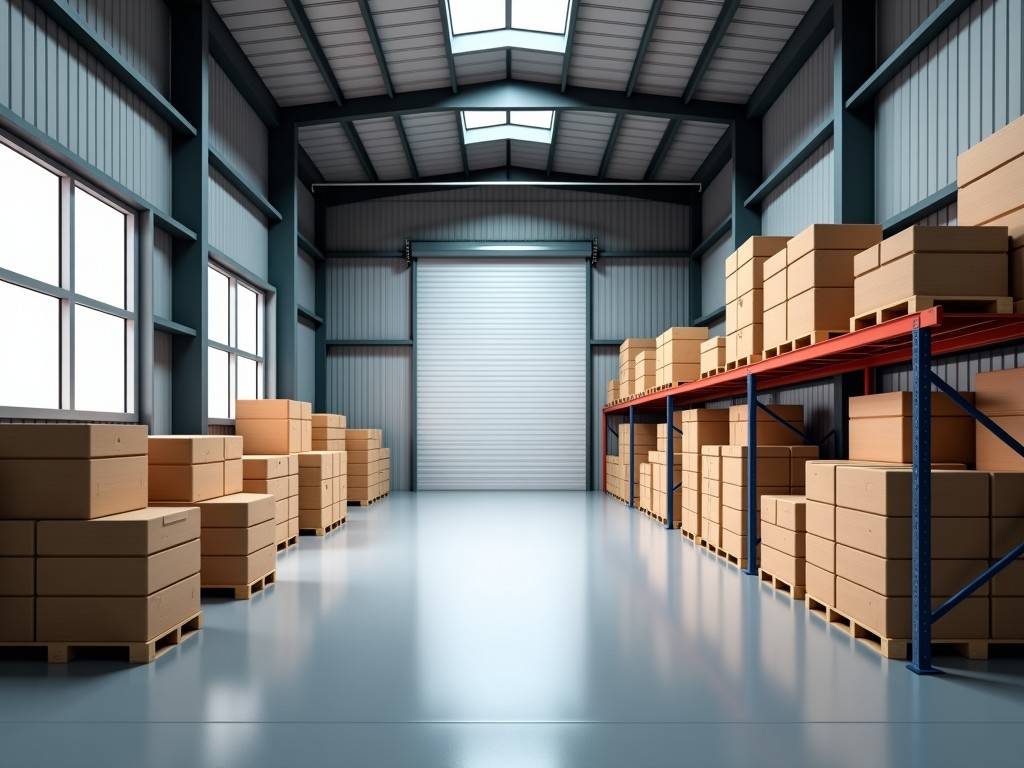
Industrial Demountable Partition Systems for Modular Factory Layouts
In modern manufacturing, the ability to reconfigure production lines is a competitive necessity. Traditional masonry creates permanent rigidity, whereas demountable partition systems offer an engineered solution for facilities managers who need to adapt floor space without incurring demolition costs or compromising structural integrity. These systems are designed for high-duty industrial environments, providing thermal insulation, acoustic separation, and the flexibility of rapid assembly and disassembly.
Engineering Considerations for Modular Partitioning
Selecting a demountable system requires evaluating beyond aesthetic appeal. Engineers must account for load-bearing capacities of the tracks, vibration resistance from heavy machinery, and the fire rating of the core materials. Unlike standard office dividers, industrial-grade partitions utilize reinforced aluminum extrusions or high-gauge steel frames to ensure that the walls remain plumb and stable even after multiple relocation cycles.
Material Selection and Performance
- Structural Frame: Extruded 6063-T5 aluminum alloy or galvanized cold steel for high strength-to-weight ratio and corrosion resistance.
- Panel Core: Options include mineral wool for acoustic attenuation, high-density foam for thermal resistance, or double-skinned steel for high-impact industrial zones.
- Surface Finish: Powder-coated finishes (micron-specific thickness) to withstand chemical exposure and mechanical abrasion common in factory floor environments.
- Gaskets: EPDM or silicone mechanical seals designed to maintain airtight integrity and prevent dust migration between joints.
Technical Specifications Overview
| Parameter | Standard Specification Range |
|---|---|
| Maximum Height | 2.4m to 6.0m (Custom structural support available) |
| Panel Thickness | 60mm to 150mm |
| Sound Transmission Class (STC) | 35dB to 55dB (Dependent on core) |
| Fire Rating | 30 min, 60 min, or 120 min rated |
| Assembly Method | Mechanical interlocking (No welding or permanent adhesives) |
Operational Logic and Installation
The efficiency of a demountable partition lies in its precision-engineered track system. Top and bottom tracks are anchored to the existing floor slab and ceiling, creating a rigid frame that distributes the panel weight evenly. This design allows individual panels to be unclipped and moved, ensuring that the factory layout can be reconfigured over a weekend without structural damage to the components themselves.
For procurement teams, the total cost of ownership (TCO) is significantly lower. While the initial capital expenditure may be higher than temporary walls, the demountable nature means the asset can be moved to a new facility or reconfigured as production needs evolve, effectively eliminating the sunk cost of fixed infrastructure.
Application Scenarios
Cleanroom Expansion
Isolating sensitive assembly areas where dust control and temperature regulation are critical, yet production fluctuates.
Noise Mitigation
Creating acoustic enclosures for high-dec machinery to protect workers in adjacent production zones.
Temporary Site Offices
Establishing climate-controlled administrative hubs directly within large-scale industrial floor spaces.
Frequently Asked Questions
Can these partitions be installed multiple times without degradation?
Yes, when designed with mechanical fasteners instead of permanent adhesives, the components can be disassembled and reassembled repeatedly, provided the panels are handled with care during transport.
What is the typical lead time for a factory installation?
While manufacturing involves custom-fabricated components, installation is typically completed in days rather than weeks, significantly reducing factory downtime compared to traditional construction.
Request a Technical Consultation
Share your factory floor plans and material requirements with our engineering team to receive a customized proposal.
Contact for Engineering Specifications