Frameless Glass Railing Factory
Frameless Glass Railing Factory
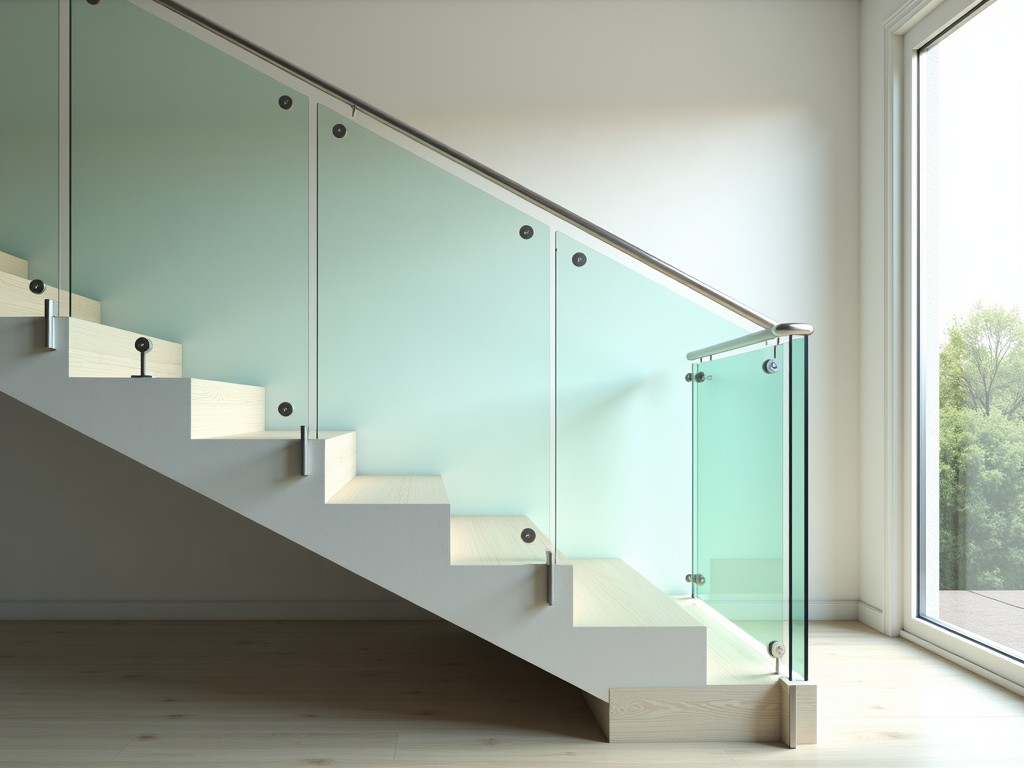
Structural Integrity and Engineering Frameless Glass Railing Systems
Frameless glass railings represent a shift in architectural barrier engineering, eliminating obstructive vertical balusters. Unlike traditional railing systems that rely on heavy metal frames, the frameless configuration utilizes the structural properties of tempered and laminated glass, supported by precision-engineered aluminum base channels. This approach requires rigorous attention to load-distribution, thermal expansion coefficients, and substrate stability to ensure long-term safety performance without compromising visual transparency.
The Mechanics of Load Distribution
The primary engineering challenge in a frameless system is managing lateral force and point loads. In a post-mounted system, forces are concentrated at specific points. In a continuous frameless setup, the load is distributed across a base U-channel or a spigot system. This channel must be anchored securely to the substrate—typically reinforced concrete, steel decking, or engineered timber—to prevent deflection that could exceed the stress limits of the glass panels.
To achieve the necessary safety factors, we utilize laminated tempered glass. This consists of two or more layers of tempered glass bonded by an interlayer (usually PVB or SGP). If the glass experiences impact, the interlayer maintains the structural integrity of the barrier, preventing a complete failure—a critical requirement for high-traffic commercial environments and public safety compliance.
Material Selection and Environmental Resistance
Selecting the right material composition depends on the operating environment. For coastal applications where salt-air corrosion is a risk factor, we specify 6063-T6 aluminum extrusions with high-micron anodizing or powder coating. Hardware components should ideally be 316-grade stainless steel to prevent galvanic corrosion and structural degradation over time.
| Component | Technical Specification | Engineering Benefit |
|---|---|---|
| Glass Type | 10mm - 17mm Laminated Tempered | High impact resistance and safety-fail containment |
| Base Channel Material | Extruded 6063-T6 Aluminum | Strength-to-weight ratio and corrosion resistance |
| Interlayer Material | PVB or SGP (SentryGlass) | SGP offers higher stiffness and moisture resistance |
| Hardware Grade | SS316 Stainless Steel | Prevents oxidation in outdoor/humid environments |
Manufacturing and Tolerance Control
Precision in the manufacturing phase dictates the ease of installation. Because the glass panels are fitted into rigid channels, the tolerance for glass thickness and edge flatness must be tightly controlled. We utilize CNC-machined channels to ensure that each panel sits at a uniform angle, allowing for even compression of EPDM gaskets which prevent rattling or stress-induced fractures.
- Edge Polishing: All exposed edges are polished to remove micro-cracks that could lead to spontaneous glass failure.
- Hole Boring: Precision-drilled holes for spigot are performed using waterjet to minimize stress points.
- Gasket Integration: UV-stabil gaskets allow for thermal expansion and contraction without stressing the glass.
Application Scenarios
Frameless systems are utilized across diverse architectural contexts where sightlines are prioritized. In commercial roof decks, they provide unobstructed views while meeting stringent building codes for occupancy. In residential luxury projects, they serve a minimalist aesthetic that maintains the architectural flow between interior and exterior spaces.
Commercial Rooftops
Designed for high-load capacity and wind-pressure resistance in urban public gathering areas.
Luxury Poolside
Focuses on chemical resistance to chlorine and slip-resistant glass surface options.
Interior Staircases
Minimalizes visual clutter in open-plan offices and modern residential designs.
Frequently Asked Questions
How does the frameless system handle high wind loads?
Load is managed through the thickness of the laminated glass and the depth of the base channel anchoring. For high-exposure zones, we calculate specific glass requirements to ensure deflection remains within safety limits.
What is the difference between PVB and SGP interlayers?
Sentry Glass Pro (SGP) is significantly stiffer than PVB and ensures the glass panels remain in place even if broken, making it ideal for critical safety-critical barriers.
Can these systems be customized for curved installations?
Yes, we provide curved glass options and specialized base hardware to accommodate specific radii defined in the architectural plans.
Ready to discuss technical specifications for your project?
Request a Technical Consultation