Honeycomb Panel Facade Exporter
Honeycomb Panel Facade Exporter
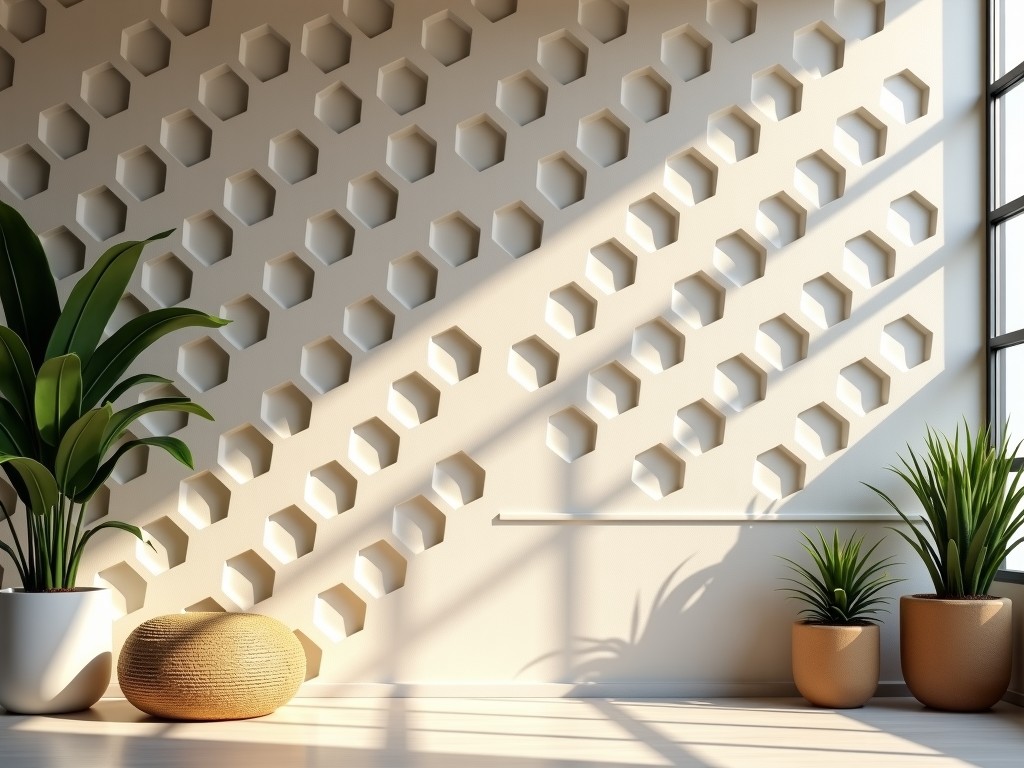
High-Performance Honeycomb Panel Facade Systems for Architectural Envelopes
In modern architecture, the demand for structural rigidity without significant self-weight is a primary engineering challenge. Honeycomb panel facades address this requirement by utilizing a high-strength cellular core—typically aluminum or polymer—sandwiched between two thin metal skins. This composite configuration creates a panel with exceptional momentural stiffness and flatness, enabling large spans while significantly reducing the dead load on building structures compared to solid stone or traditional cladding.
Engineering Logic: Why Honeycomb?
The performance of a honeycomb panel is derived from the relationship between the core geometry and the skin faces. The hexagonal cell structure distributes loads evenly across the plane, while the skins act as tension and compression that prevent buckling. This synergy results in a material that remains flat over large dimensions, a critical factor for projects requiring precise joint tolerances and high-aesthetic finishes.
- High Strength-to-Weight Ratio: Maximum rigidity with minimum mass, facilitating lighter support brackets and faster installation.
- Dimensional Stability: Exceptional resistance to thermal expansion and warping compared to solid sheet metal.
- Acoustic Insulation: The cellular core provides inherent damping properties, reducing noise transmission in urban environments.
- Thermal Performance: Integrated air pockets act as a thermal break, improving the overall building envelope.
Material Selection and Surface Engineering
Selecting the right material configuration depends on the environmental exposure and the structural requirements. For most commercial facades, an aluminum 3003 or 5052 alloy skin is standard due to its balance of formability and corrosion resistance. In environments where fire safety is paramount, non-combustible cores (FR) or mineral-filled cores are specified to meet stringent building codes.
The surface treatment is not merely aesthetic; it is the protective barrier. PVDF (Fluoropolymer) coatings are typically specified for high-exposure exteriors for their resistance to UV degradation and chemical weathering. For interior applications or cost-sensitive projects, PE or FEFE-line finishes offer viable alternatives, provided the exposure to moisture is controlled.
| Specification | Typical Range (Standard) | Technical Note |
|---|---|---|
| Panel Thickness | 15mm to 200mm+ | Custom based on span requirements. |
| Skin Thickness | 0.5mm to 4.0mm | Affects load-bearing capacity. |
| Core Material | Aluminum / Polypropylene / FR | FR core required for fire rating. |
| Flatness Tolerance | ±1.5mm per 2000mm | Critical for recessed joints. |
| Weight Density | 4.0 - 15.0 kg/m² | Varies by core density. |
Manufacturing Process and Quality Control
Production of honeycomb panels requires a precision process to ensure bond integrity. The skins are chemically treated (often via chromate conversion or pretreatment) to maximize adhesive adhesion with the honeycomb core. The assembly is then bonded under controlled pressure and temperature in vacuum presses or mechanical presses. This process eliminates air pockets that could lead to delamination under thermal stress or wind loading.
To ensure project reliability, every batch undergoes rigorous testing. We monitor the skin-to-core bond strength and shear resistance to ensure the panel can withstand design wind loads and seismic events. CNC machining is then utilized to create precise cutouts and routing, ensuring that the final panels arrive on-site with the required architectural tolerances.
Application Scenarios
High-Rise Commercial
Ideal for large format curtain walls where reducing weight is essential for structural cost optimization and seismic frame design.
Museums & Landmarks
Used for complex curved surfaces and large flat spans that traditional materials cannot achieve without visible seams.
Retrofitting
Lightweight nature allows for facade upgrades on existing structures without requiring significant reinforcement of the primary frame.
Frequently Asked Questions
How do honeycomb panels handle thermal expansion?
Panels are installed using specialized bracket systems (like load-bearing rails) that allow the material to expand and contract within joints without buckling the panel face.
Are these panels fire-rated options available?
Yes, we offer fire-retardant (FR) cores that meet Class A fire ratings, suitable for high-rise applications.
What is the typical lead time for custom manufactured orders?
Lead times vary based on volume and core specifications, but generally range from 4 to 8 weeks after technical drawing approval.
Need a Technical Proposal?
Share your project specifications or architectural drawings with our engineering team for a technical evaluation and quote.
Request Technical Consultation