Metal Curtain Wall Panel Supplier
Metal Curtain Wall Panel Supplier
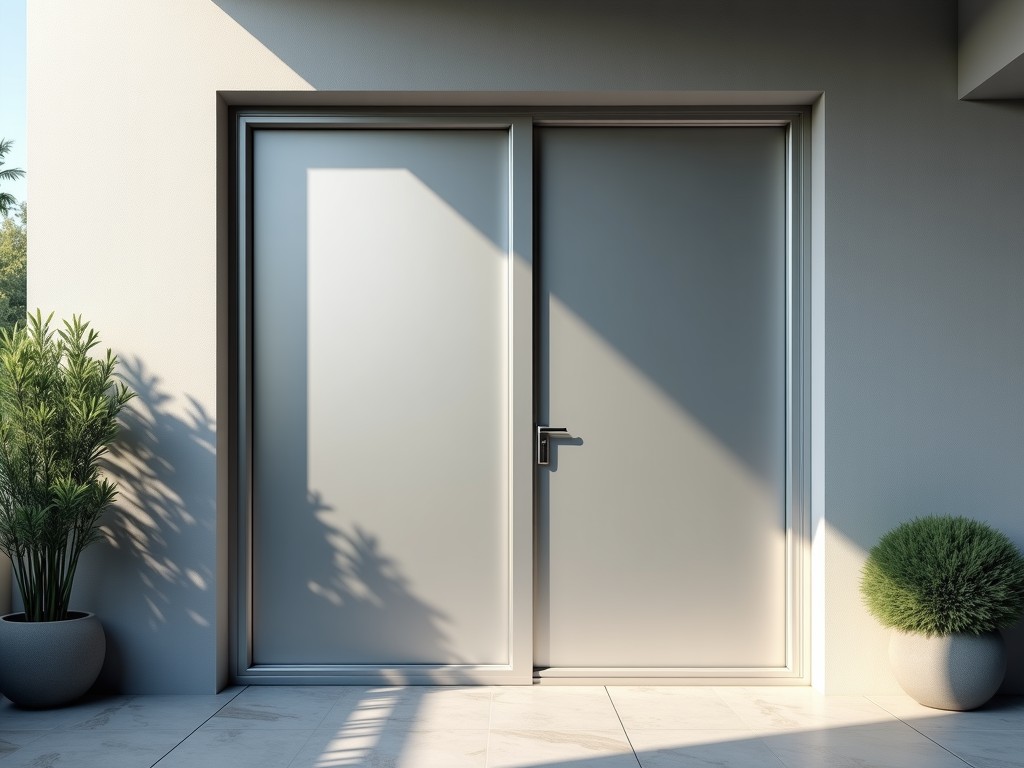
High-Performance Metal Curtain Wall Panels for Architectural Envelopes
Metal curtain wall panels serve as the primary protective skin for modern commercial architecture, balancing structural integrity with aesthetic flexibility. Unlike standard cladding systems, these panels are engineered to withstand significant wind loads, thermal expansion, and moisture while maintaining dimensional precision. Selecting the right panel configuration requires a deep understanding of alloy properties, surface treatment durability, and mechanical attachment methods to ensure long-term performance in diverse urban environments.
Engineering Considerations in Material Selection
The choice of base metal dictates the building's lifecycle cost and weight-to-strength ratio. Aluminum remains the industry standard for most high-rise applications due to its high strength-to-weight ratio and inherent corrosion resistance. However, for projects requiring extreme rigidity or specific fire-rating profiles, zinc-coated steel or stainless steel variants may be specified where thermal mass is prioritized.
Material Comparison Matrix
- Aluminum Alloy (3003/5052): Ideal for lightweight structures and high formability. Excellent resistance to atmospheric corrosion.
- Galvanized/Aluminum Steel: Offers superior structural stiffness for large spans where panel thickness must be minimized without sacrificing rigidity.
- Stainless Steel: Utilized in high-salinity coastal environments or industrial zones where chemical resistance is mandatory.
Manufacturing Process and Tolerance Control
The precision of a curtain wall system is determined during the fabrication phase. Most high-end panels utilize CNC-controlled roll-forming to ensure uniform thickness and sharp, consistent radii. For complex geometries, custom-cut-and-fold waterjet or specialized extrusion processes allow for tight tolerances,typically ±0.5mm to ±1.0mm depending on the span. This precision is critical for pre-slized systems where on-site adjustments are minimized to reduce labor costs.
Surface treatment is not merely aesthetic; it is a functional barrier. Fluoropolymer coatings (PVDF) are frequently specified for exterior-facing panels due to their resistance to UV degradation and chalking. For interior-facing panels or protected zones, architectural powder coatings or PV finishes may provide a more cost-effective alternative while still protecting the metal substrate.
| Specification Parameter | Standard Range | Heavy-Duty Option |
|---|---|---|
| Panel Thickness | 1.5mm - 3.0mm | 4.0mm - 6.0mm+ |
| Wind Load Resistance | Up to 2.5 kPa | 4.0 kPa+ |
| Surface Finish | PVDF 2-Coat | PVDF 3-Coat |
| Installation System | Stick-built / Rainscreen | Unitized / Framized |
Installation and Structural Integration
Integration with the building's primary structure requires a robust thermal-break strategy. In a stick-built system, panels are assembled on-site, allowing for slight adjustments to accommodate structural deviations. Conversely, unitized systems are pre-assembled with glass and metal in the factory, offering significantly higher quality control and faster on-site installation speeds.
Thermal bridging is a critical concern in modern design. By utilizing high-performance thermal breaks within the aluminum mounting frames, we prevent the conductive heat transfer between the interior and exterior environments, significantly improving the overall energy efficiency rating of the building envelope.
Quality Assurance and Logistics
To maintain surface integrity during transit, metal curtain wall panels require specialized packaging. This includes protective inter-layer film and reinforced wooden crates or steel frames to prevent edge scratching or mechanical deformation. Each batch undergoes rigorous inspection for surface flatness and coating color consistency, ensuring they meet the project-specific spectrophotometer readings.
Ready to discuss your specifications?
Our engineering team can provide technical drawings, material calculations, and project timelines based on your architectural requirements.
Request Technical Consultation