ODM Aluminum Framing System Profiles
ODM Aluminum Framing System Profiles
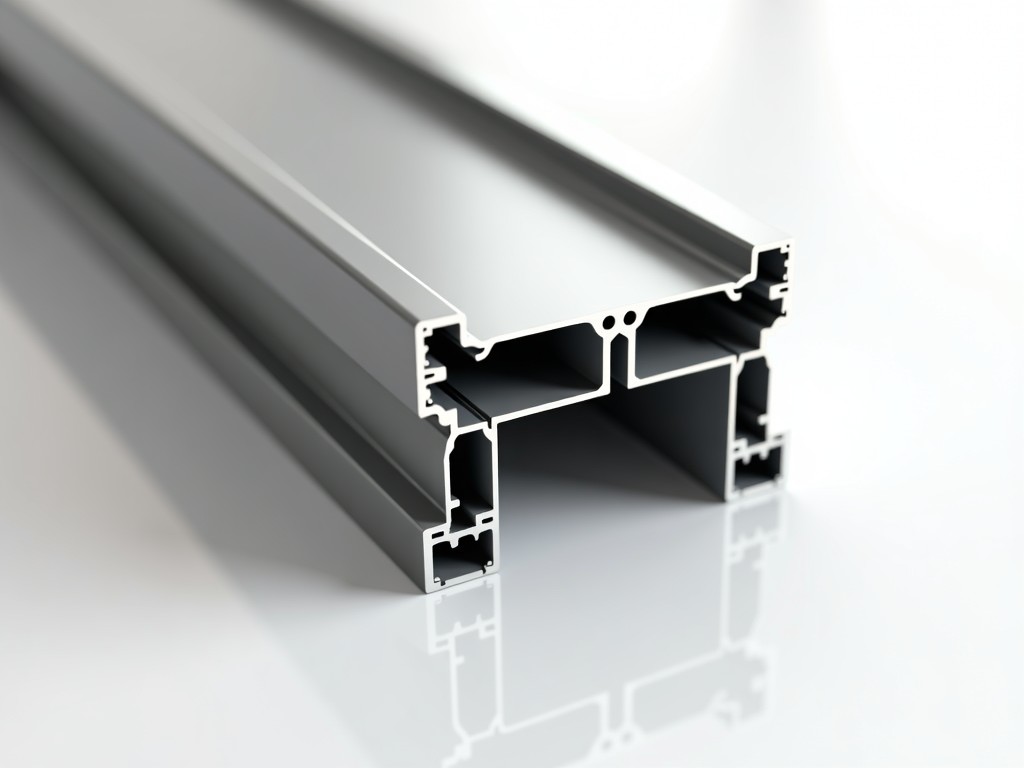
Precision Extruded Aluminum Framing Profiles for Industrial Engineering
Engineering modular industrial structures requires a balance between structural rigidity, weight-bearing capacity, and rapid assembly. Aluminum framing system profiles provide a foundational solution for engineers and designers to build complex machinery frames, linear workstations, and protective enclosures without the need for traditional welding or heavy machining. By utilizing T-slot extrusion geometries, these profiles allow for high-precision mechanical fastening, significantly reducing lead times for prototyping and factory-floor reconfiguration.
Material Selection and Structural Integrity
The performance of a framing system is dictated by the aluminum alloy and the temper used during extrusion. Most industrial-grade profiles utilize 6063-T6 alloy, favored for its excellent strength-to-weight ratio and superior resistance to corrosion. For applications requiring higher yield strength or specific load-bearing capabilities, 7075-T6 may be specified, though it often impacts the cost-permeter.
Dimensional consistency is critical when integrating profiles into large-scale assemblies. Our extrusion process maintains tight linear tolerances (typically ±0.2mm per meter) to ensure that square brackets and sliding components align perfectly across long spans. This prevents the cumulative error often seen in lower-quality modular components, which is vital when maintaining the accuracy of linear axes or robotic cells.
Profile Geometries and Slot Configurations
Selecting the correct profile series depends on the moment of inertia required and the mounting hardware compatibility. Slot design—commonly categorized as 20mm, 30mm, 40mm, or 45mm—determines the availability of T-nuts, bolts, and brackets.
- Light Duty Series: Ideal for lightweight equipment frames, safety guarding, and enclosures where space is at a premium.
- Medium Duty Series: Optimized for standard-to-medium load applications, such as conveyor frames and assembly workstations.
- Heavy Duty Series: Features thicker wall sections and reinforced ribs to withstand high-vibration environments and heavy-load support platforms.
Technical Specifications Overview
| Parameter | Standard Specification | Engineering Benefit |
|---|---|---|
| Alloy Grade | 6063-T6 | High corrosion resistance & surface finish |
| Surface Finish | Natural Anodized (Clear/Black) | Oxide layer increases wear resistance |
| Linear Tolerance | ±0.2mm to ±0.5mm | Ensures precise assembly alignment |
| Tensile Strength | ~185-240 MPa | Structural load bearing capacity |
| Flatness Tolerance | 0.1mm/m | Prevents warping in mounting surfaces |
Surface Treatments for Environmental Resistance
The operating environment dictates the necessary surface post-treatment. While standard clear anodization is sufficient for indoor environments—providing a protective oxide layer that prevents oxidation and improves surface hardness—industrial environments exposed to chemical agents or high moisture may require specialized architectural anodization or powder coating. These treatments serve to provide an additional barrier against environmental degradation.
For food grade or pharmaceutical applications, stainless steel profiles or specific high-grade aluminum finishes are utilized to meet de-contamination requirements and facilitate ease of cleaning, ensuring compliance with stringent hygiene protocols.
Customization and OEM Manufacturing Capabilities
While standard profiles cover the majority of modular needs, OEM projects often require bespoke geometries to solve specific mechanical constraints. We offer custom extrusion services where engineers can provide CAD drawings to optimize the internal ribbing structure for weight reduction or to integrate cable management channels.
- Custom Die Design: Development of proprietary extrusion dies for unique cross-sections.
- Precision Machining: On-site milling, tapping, and drilling to provide ready-to-assemble components.
- Integrated Components: Incorporating internal threads or mounting inserts to reduce assembly time.
Industrial Application Scenarios
The versatility of aluminum framing allows for deployment across diverse sectors where flexibility is a priority:
Automation & Robotics
Building robotic cells, linear guide rail supports, and safety cages where frequent adjustments are required for different product runs.
Manufacturing Workstations
Ergonomic assembly benches, testing stations, and material platforms designed to optimize operator efficiency and safety.
Material Handling
Conveyor frames, custom sorting systems, and mobile trolley bases that require lightweight yet rigid structures.
Frequently Asked Questions
What is the load capacity of a 4080 profile?
Load capacity depends on the span length and the orientation (point load vs. distributed). We provide technical deflection tables to help engineers calculate safe limits for specific beam configurations.
Can these profiles be repurposed for future projects?
Yes, the T-slot design allows for bolted assembly and disassembly without damaging the material, making it highly cost-effective for evolving production lines.
How are the profiles packaged for shipping?
Long-length profiles are sleeved with protective foam and bundled to prevent surface scratching or bending during transit, ensuring they arrive in assembly-ready condition.
Ready to Specify Your Project?
Share your drawings or requirements with our engineering team for a technical consultation and competitive quotation.
Request Technical Consultation