OEM Architectural Aluminum Glazing Systems
OEM Architectural Aluminum Glazing Systems
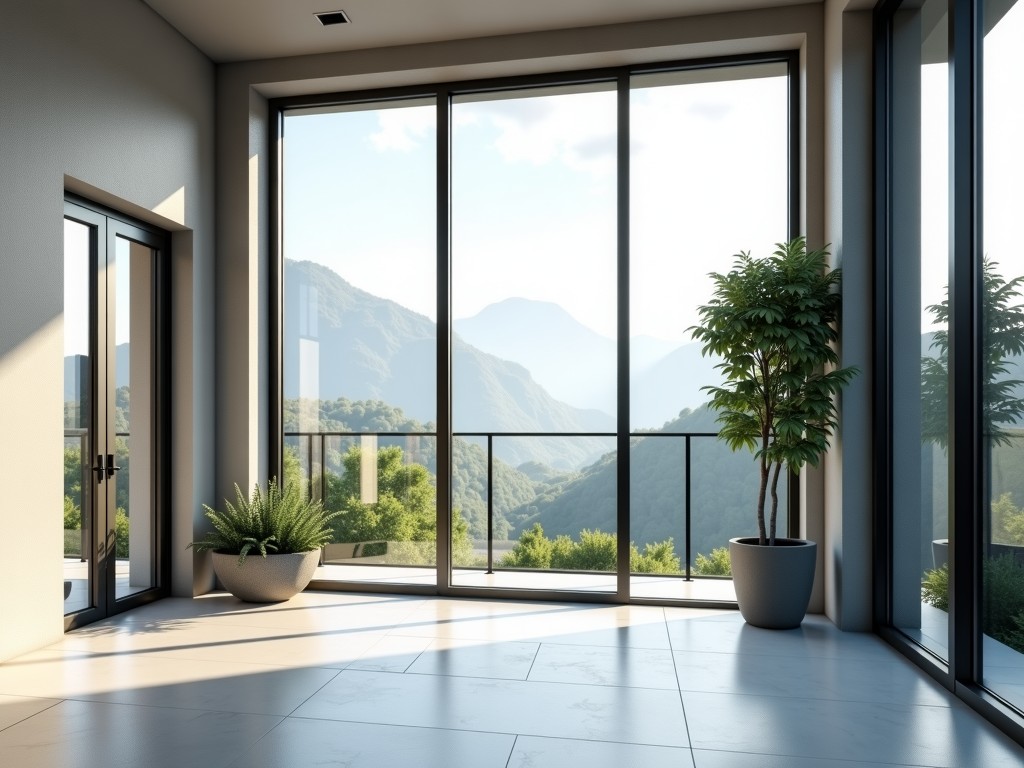
Engineering Architectural Aluminum Glazing Systems for High-Performance Building
Architectural aluminum glazing systems represent the critical balance between structural integrity, thermal performance, and aesthetic flexibility. Unlike standard window framing, industrial-grade systems are engineered to manage significant wind loads and thermal expansion while maintaining an airtight envelope. For design engineers and procurement teams, the selection of a system depends on the profile geometry, the thermal break technology employed, and the long-term durability of the surface finish.
Structural Mechanics and Material Selection
The primary challenge in large-scale glazing is the coefficient of thermal expansion inherent in aluminum. Our systems utilize 6063-T5 or 6063-T6 alloys, selected for their superior strength-to-weight ratio and extrusion capabilities. These alloys ensure that profiles maintain dimensional stability under structural stress, preventing deflection that could compromise the silicone seals or pressure gaskets.
To mitigate thermal bridging, the systems integrate high-performance thermal breaks—typically polyamide strips. These strips act as a barrier between the interior and exterior aluminum members, preventing condensation and significantly improving the R-value of the assembly. This engineering is vital for meeting modern energy codes and reducing operational costs for commercial developments.
Technical Specification Overview
| Parameter | Typical Values / Options |
|---|---|
| Alloy Grade | 6063-T5, 6063-T6 |
| Wall Thickness | 1.5mm to 4.0mm (customizable per load) |
| Thermal Break Material | Polyamide (24mm/34mm) |
| Wind Load Resistance | Up to 5.0 kPa (based on profile geometry) |
| Surface Treatment | Anodizing, PVDF Coating (A57), Powder Coating |
| Glazing Capacity | Double/Triple Insulated Glass Units (IGU) |
Manufacturing Precision and Quality Control
The performance of a glazing system is determined by the precision of its components. We utilize CNC-controlled machining to ensure that tolerances remain within +/- 0.5mm. This level of accuracy is critical for rapid-site assembly, where even minor misalignments can lead to water ingress issues or poor mechanical operation.
Each batch undergoes a rigorous testing protocol. We evaluate water penetration resistance, air infiltration, and structural deflection to ensure the system meets international standards. For procurement managers, this means a reduced risk of field-side failures and lower maintenance requirements over the building's lifecycle.Application Scenarios in Diverse Environments
- Curtain Wall Systems: Unitized or stick-built for high-rise facades requiring maximum transparency and wind load resistance.
- Sliding Door Systems: Heavy-duty tracks for commercial entrances where seamless transitions and smooth operation are required.
- Storefront Systems: Load-bearing aluminum frames designed for retail environments requiring high visibility and structural impact resistance.
- Fixed Glazing: Optimized for large-span openings where thermal efficiency is the primary priority.
Customization and Project Integration
We understand that every architectural project has unique constraints. Our engineering team works directly with architects to provide custom profile extrusions that meet specific requirements. Whether it is a specific mullion width for aesthetic reasons or a specialized gasket system for acoustic insulation, we provide the technical support to execute the vision without compromising safety or performance.
Ready to discuss your project glazing requirements?
Share your CAD drawings, specifications, or project brief with our engineering team for a customized proposal.
Request Technical Consultation & QuotationFrequently Asked Questions
What are the standard lead times for custom glazing systems?
Lead times typically range from 8 to 12 weeks depending on the complexity of the profiles and the need for new tooling for extrusions.
Can these systems be finished for highly corrosive environments?
Yes, we offer high-grade anodizing and specialized PVDF coatings specifically designed to resist corrosion in coastal salt-air environments.
How is the aluminum protected during international shipping?
We utilize reinforced wooden crates with internal foam cushioning and protective wrapping to prevent surface scratching or mechanical deformation during transit.