Acoustic Wooden Doors Supplier
Acoustic Wooden Doors Supplier
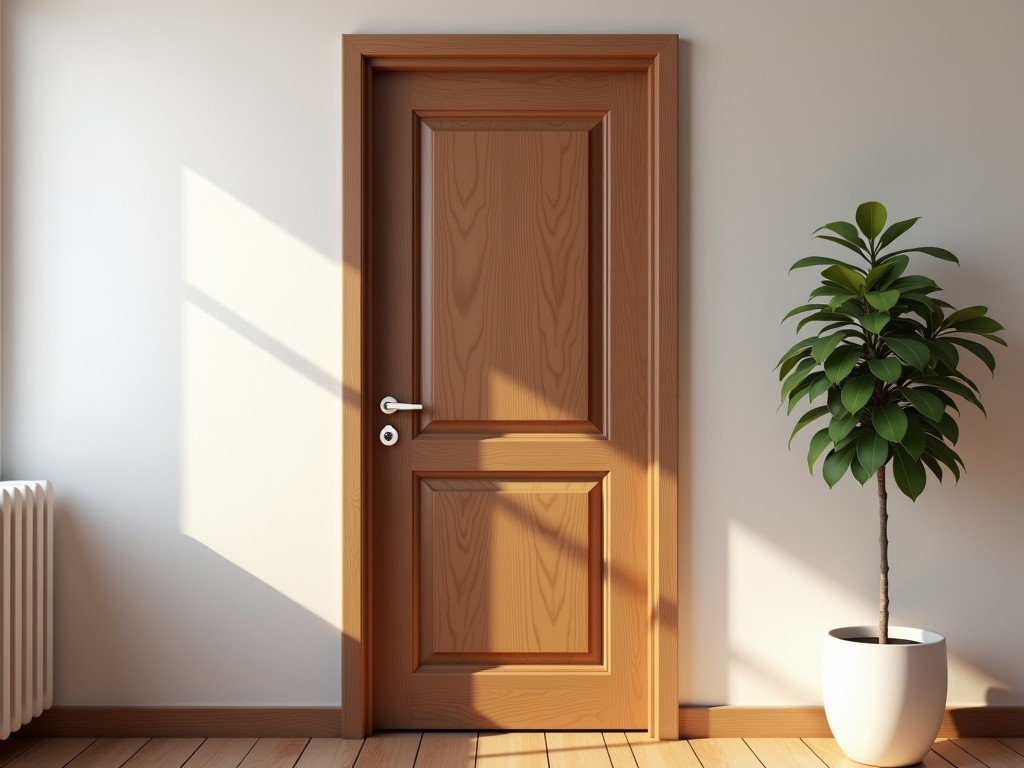
Acoustic Wooden Doors Supplier
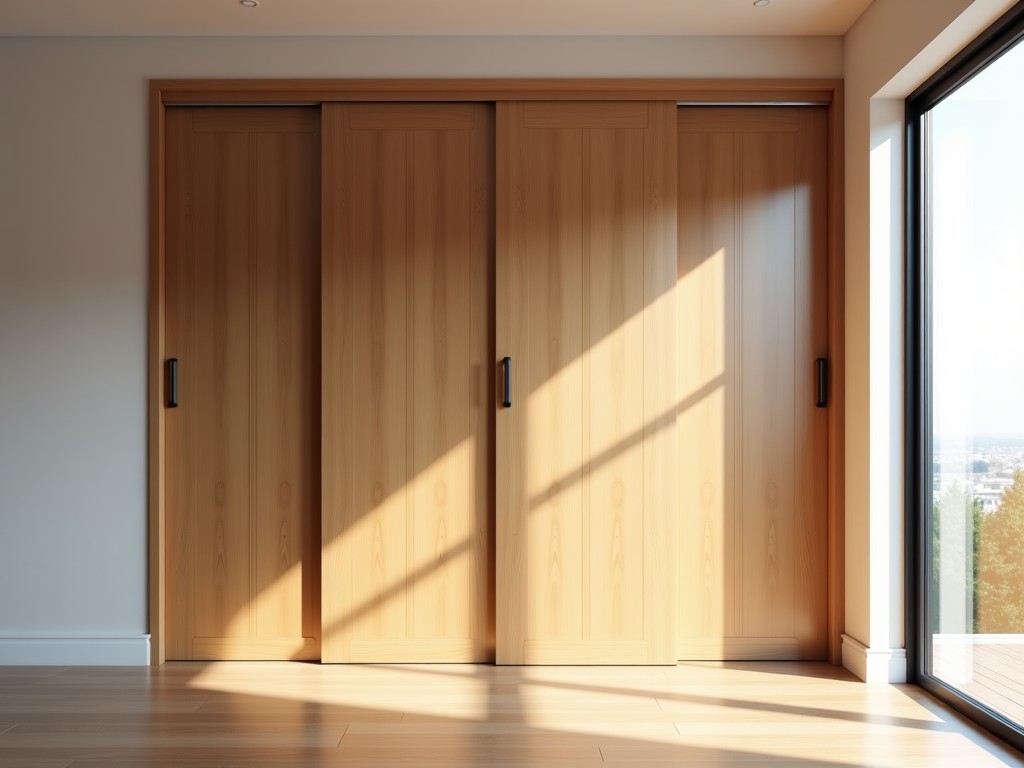
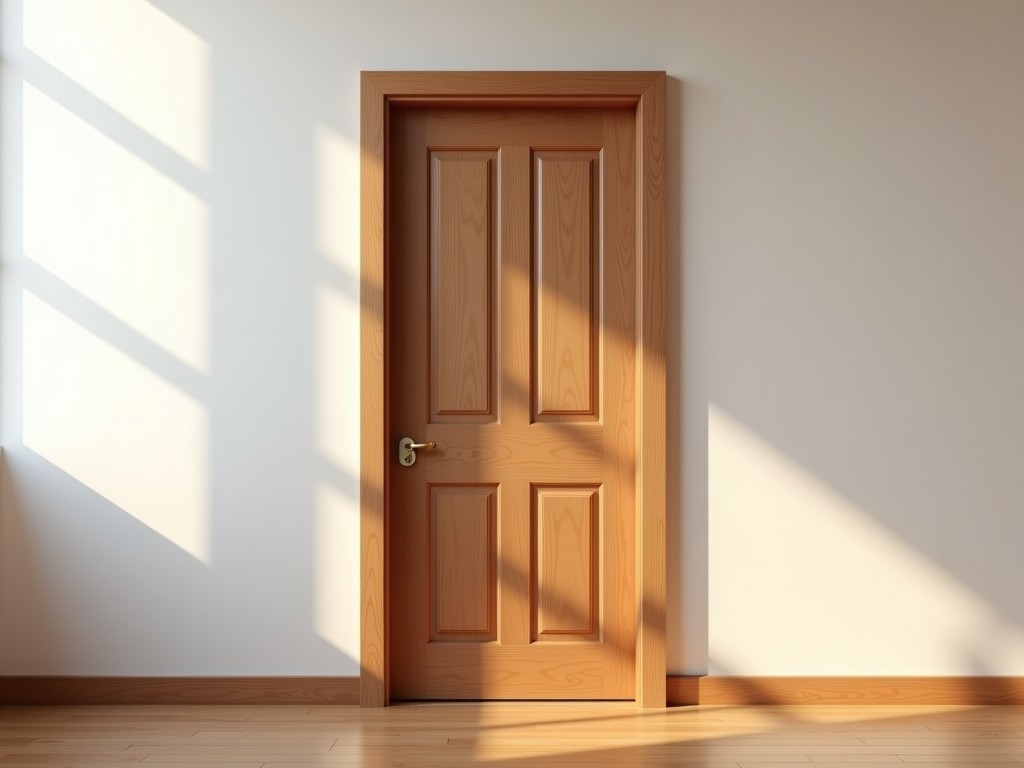
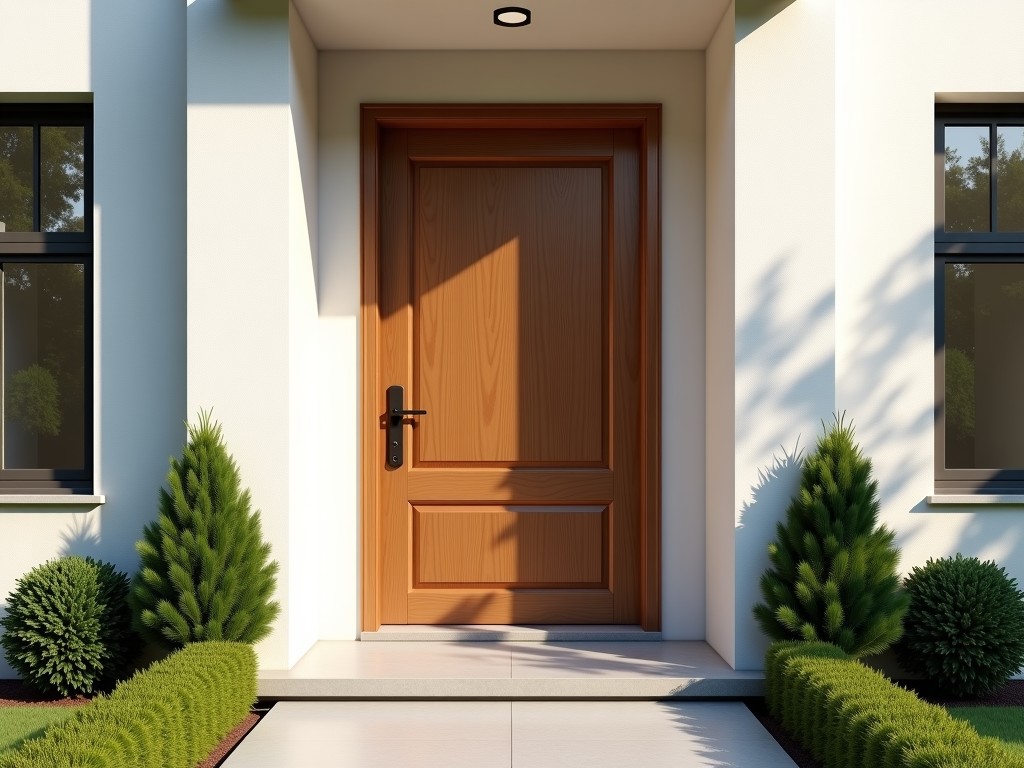
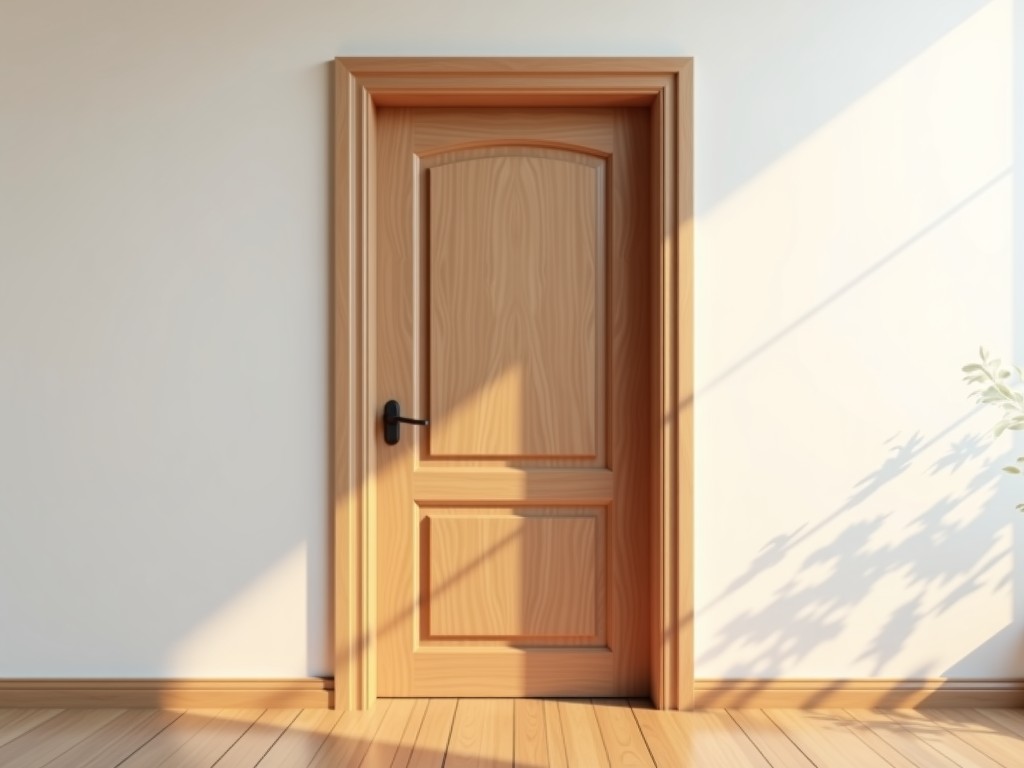
In environments where sound control impacts operational efficiency and occupant comfort—such as recording studios, broadcast facilities, healthcare consultation rooms, and open-plan offices—the selection of interior doors must address both acoustic performance and architectural integration. Standard hollow-core or solid wood doors often fail to meet required sound transmission class (STC) ratings without compromising aesthetics or increasing weight beyond practical handling limits. Purpose-engineered acoustic wooden doors overcome these limitations through layered construction, precise sealing systems, and material combinations designed to attenuate airborne noise while maintaining the visual warmth and workability of natural wood finishes.
Engineering Perspective on Sound Control in Interior Doors
Sound transmission through a door assembly occurs primarily via three paths: the door panel itself, the perimeter gap between door and frame, and any glazing or hardware penetrations. Effective acoustic performance requires addressing each path through mass, damping, and sealing. Mass-loaded cores increase the door’s resistance to vibrational energy, while viscoelastic damping layers convert sound energy into minimal heat. Perimeter seals—typically compression or magnetic types—must maintain consistent pressure over thousands of cycles to prevent flanking paths. The frame and jamb assembly must also be rigid enough to resist racking under load, ensuring long-term seal integrity. These principles guide the design and manufacturing of acoustic wooden doors intended for repeated use in commercial and institutional settings.
Material Selection and Construction Methods
The door leaf typically consists of a stave-core or particleboard substrate reinforced with laminated layers of high-density fiberboard (HDF) or medium-density fiberboard (MDF) on both faces. These layers contribute to overall mass and provide a stable substrate for veneer or laminate finishes. Internal damping is achieved through constrained-layer damping (CLD) techniques, where a viscoelastic polymer is bonded between two rigid layers—often wood-based panels—to suppress resonant frequencies. Perimeter edges are sealed with solid wood or composite lippings to prevent delamination and provide a consistent surface for hinge and strike plate installation. Facings are selected based on project requirements: natural wood veneers (oak, walnut, maple) for premium interiors, or high-pressure laminates (HPL) for high-traffic areas requiring scratch and moisture resistance. All materials are conditioned to equilibrium moisture content (EMC) appropriate for the intended indoor environment to minimize post-installation movement.
Typical Specifications and Performance Characteristics
| Parameter | Typical Range / Detail | Notes |
|---|---|---|
| STC Rating | 30–45 dB | Dependent on core thickness, sealing system, and door size |
| Door Thickness | 40–55 mm | Thicker cores increase mass and low-frequency attenuation |
| Leaf Weight | 25–40 kg/m² | Influences hinge selection and frame load requirements |
| Core Material | Particleboard, MDF, or stave core with damping layer | Affects screw holding, fire rating, and dimensional stability |
| Face Finish | Natural veneer, HPL, or paint-grade MDF | Veneer allows staining; HPL offers abrasion resistance |
| Perimeter Seal Type | Compression bulb, magnetic, or automatic drop-down | Drop-down seals activate only when door is closed, reducing wear |
| Fire Rating (Optional) | 30, 60, or 90 minutes | Achieved through fire-rated cores and intumescent seals; requires third-party certification |
Performance values are determined through laboratory testing in accordance with ASTM E90 and ASTM E413 for airborne sound transmission loss. Field performance depends on proper installation, including frame plumbness, seal compression, and threshold coordination. Doors are typically supplied as pre-hung assemblies or as leaf-only units for integration into site-built frames, depending on project logistics and scheduling constraints.
Application Scenarios and Industry Suitability
Acoustic wooden doors are specified where speech privacy, concentration, or regulatory noise limits are critical. In open-plan offices, they reduce distractions between collaborative zones and focused work areas, improving productivity without requiring full-height partitions. In healthcare settings—such as physician offices, counseling rooms, and patient consultation spaces—they support HIPAA-compliant confidentiality by limiting sound leakage. Educational facilities use them in music practice rooms, language labs, and administrative offices to control reverberation and external noise. Broadcast and recording studios rely on higher STC-rated assemblies (often STC 40–45) to isolate control rooms from live spaces, where even minor flanking paths can compromise audio quality. The natural wood finish allows these doors to complement interior design schemes in hospitality, corporate lobbies, and high-end residential projects where both aesthetics and performance are non-negotiable.
Customization Options and OEM Support
Standard configurations accommodate common door sizes (e.g., 813×2032 mm, 914×2032 mm), but custom dimensions are available to match architectural drawings or renovation constraints. Core composition, damping layer thickness, and facing materials can be adjusted to meet specific STC targets, fire ratings, or environmental conditions. Hardware preparations—including hinge mortises, strike plates, locksets, and automatic door bottoms—are precision-machined to template. Veneer matching, color staining, and edge banding are performed in-house to ensure consistency across multiple units. For OEM buyers, we provide engineering support to adapt designs to proprietary frame systems or integrate with access control hardware. Minimum order quantities and lead times vary based on material availability and customization complexity; prototype samples are available upon request for validation before full production.
Quality Control and Manufacturing Consistency
Each door undergoes multiple inspection points during production: raw material moisture content verification, core layer bonding integrity, facing adhesion strength, and dimensional accuracy of machined features. Perimeter seal compression is tested using calibrated gauges to ensure uniform contact pressure. Finished assemblies are subjected to preliminary STC screening in-house to validate performance trends before final packaging. Tolerances are maintained to ±0.5 mm for width and height, and ±1.0 mm for thickness, ensuring reliable fit within standard frames. Packaging uses corner protectors, edge guards, and moisture-barrier wrapping to prevent damage during transit. Units are stacked horizontally on pallets with load-rated strapping to minimize flexing. All processes follow documented work instructions, with traceability maintained from material receipt to final shipment.
Installation and Long-Term Considerations
Proper installation is critical to achieving laboratory-rated performance in the field. Frames must be plumb, square, and securely anchored to prevent racking that could compromise seal contact. Clearances around the perimeter should follow manufacturer guidelines—typically 3 mm at the head and jambs, and 6–10 mm at the threshold depending on seal type. Hinges must be rated for the door’s weight and frequency of use; ball-bearing hinges are recommended for high-cycle applications. Periodic inspection of seals for compression set, cracking, or debris accumulation helps maintain acoustic integrity over time. Veneer finishes should be cleaned with pH-neutral solutions and protected from prolonged UV exposure to prevent fading. In high-humidity environments, maintaining stable indoor relative humidity (40–60%) reduces the risk of core swelling or joint separation. These factors contribute to a service life of 15–25 years under normal commercial use, depending on maintenance and environmental conditions.