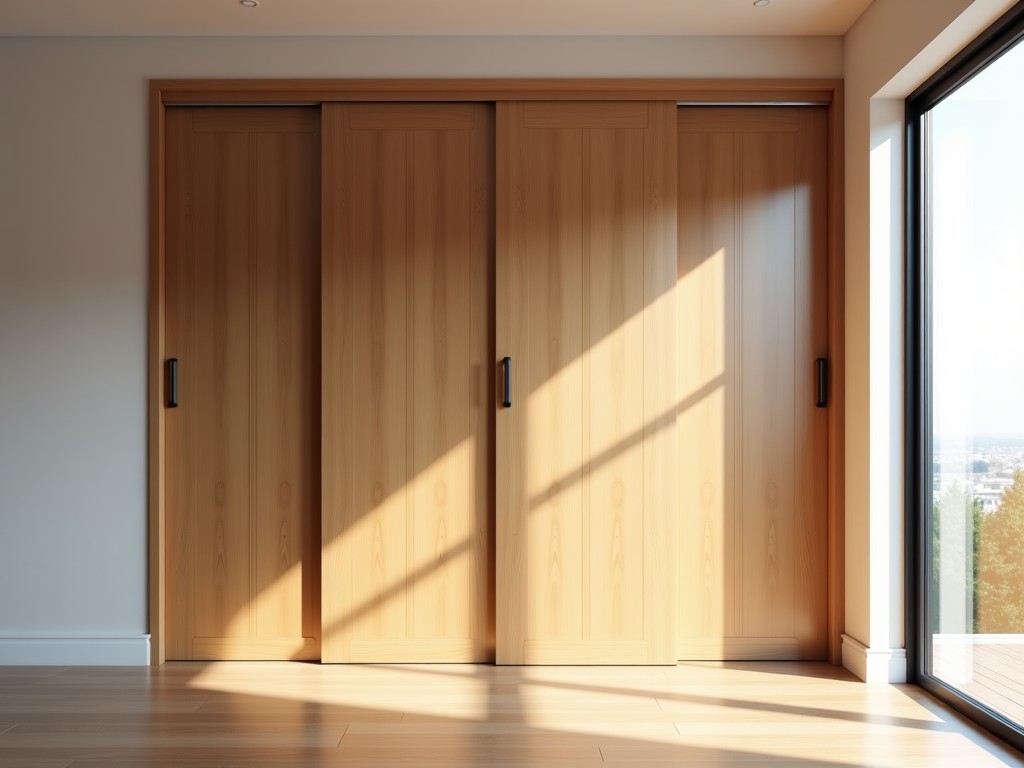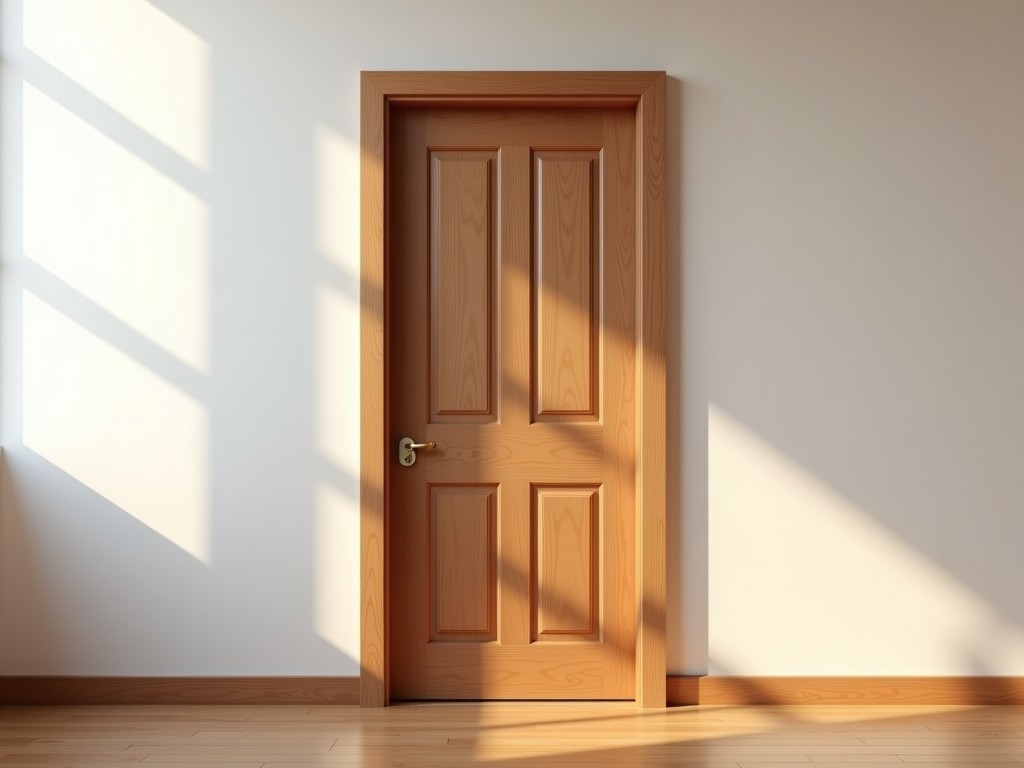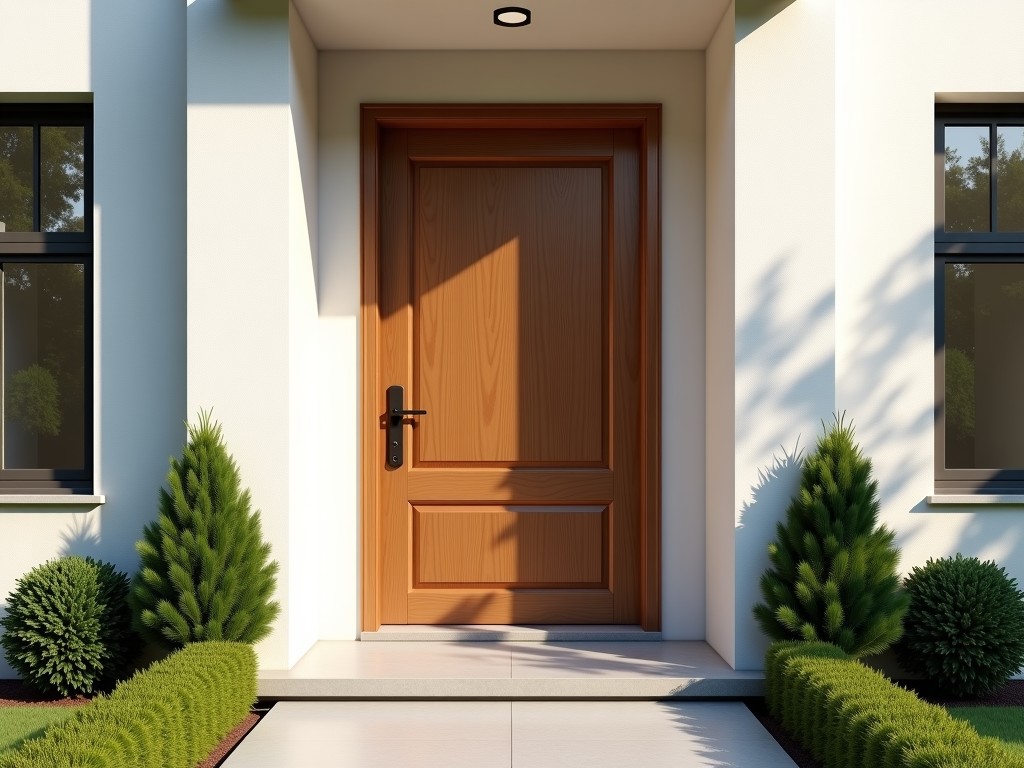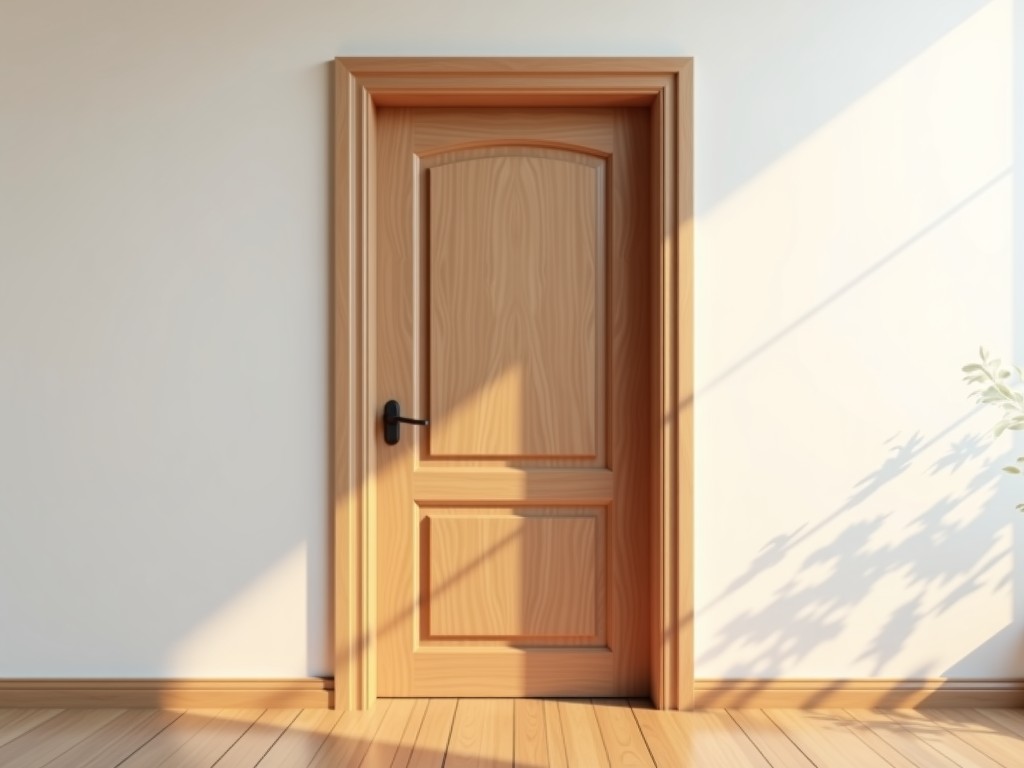
Apartment Mdf Wooden Door Supplier
Apartment Mdf Wooden Door Supplier
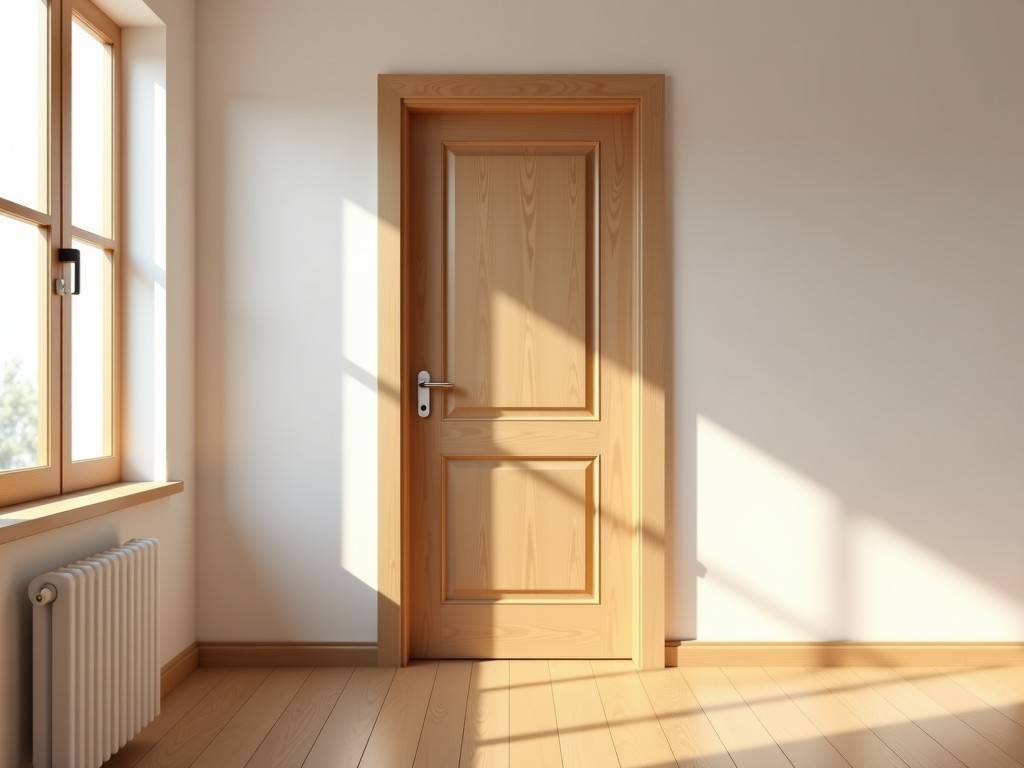
Apartment MDF Wooden Door: Engineering Considerations for Multi-Unit Residential Construction
Selecting interior doors for apartment buildings involves balancing acoustic performance, dimensional stability, surface finish requirements, and lifecycle cost. Medium-density fiberboard (MDF) has become a standard substrate for apartment wooden doors due to its uniform density, machinability, and compatibility with various finishes. This page outlines the technical characteristics, manufacturing considerations, and application-specific factors that influence door performance in multi-unit residential environments.
Material Composition and Structural Behavior
MDF is manufactured by breaking down hardwood or softwood residuals into wood fibers, combining them with wax and a resin binder (typically urea-formaldehyde or MDI-based), and forming panels under high temperature and pressure. The resulting material exhibits isotropic properties, meaning its mechanical behavior is consistent across all directions—unlike natural wood, which varies with grain orientation. For apartment doors, this uniformity minimizes warping and twisting, particularly important in environments with fluctuating humidity levels common in residential buildings.
Typical MDF densities for door applications range from 650 to 800 kg/m³. Lower densities may compromise screw-holding capacity and impact resistance, while higher densities increase weight and machining difficulty. The homogeneous structure allows for precise routing of panels, mullions, and profiles without tear-out, enabling complex designs such as shaker, raised panel, or slab styles with consistent edge quality.
Surface Preparation and Finishing Compatibility
The smooth, non-porous surface of MDF provides an ideal substrate for primer, paint, veneer, or laminate finishes. Unlike particleboard or solid wood, MDF lacks surface voids or grain variation, reducing the risk of telegraphing through thin finishes. This characteristic is particularly valuable in apartment interiors where a uniform, defect-free appearance is expected across hundreds of units.
Edges require special attention during finishing. MDF edges are more absorbent than faces and can swell if exposed to moisture. Proper sealing with edge primer, PVC edge banding, or melamine tape is standard practice to prevent moisture ingress and ensure long-term finish adhesion. In high-humidity zones such as bathrooms or kitchens, additional edge protection may be specified.
Dimensional Stability and Environmental Response
One of the primary advantages of MDF in apartment door applications is its resistance to seasonal movement. Solid wood doors can expand or contract significantly with changes in relative humidity, leading to sticking, gaps, or misalignment in frames. MDF’s low hygroscopicity minimizes this movement, maintaining consistent clearances and reducing service calls related to door operation.
However, MDF is not waterproof. Prolonged exposure to liquid water or high humidity can cause thickness swelling and loss of mechanical integrity. For this reason, MDF doors are intended for interior use only, typically within conditioned living spaces. In areas prone to moisture, such as laundry rooms or entryways exposed to wet weather, alternative materials like PVC-coated MDF or solid PVC doors may be more appropriate.
Acoustic Performance and STC Ratings
Sound transmission class (STC) is a critical specification for apartment doors, directly affecting privacy and noise control between units. The mass and damping properties of MDF contribute to sound attenuation. A standard solid MDF door slab (typically 35–40 mm thick) achieves an STC rating in the range of 28–32, depending on construction and sealing.
Performance can be improved through core modifications, such as incorporating a honeycomb or tubular core to increase mass while controlling weight, or adding mass-loaded vinyl barriers. Perimeter sealing systems—including automatic door bottoms and compression weatherstripping—are essential to achieve rated STC values, as gaps around the door leaf significantly undermine acoustic performance.
Manufacturing Process and Tolerance Control
MDF doors are typically manufactured using CNC routers for panel profiling, followed by sanding, priming, and painting or lamination. The material’s uniformity allows for tight dimensional tolerances—generally ±0.5 mm on thickness and ±1.0 mm on length and width—when processed with calibrated tooling. This consistency supports efficient installation in pre-hung frames and reduces adjustments on-site.
Production efficiency benefits from MDF’s machinability. Unlike solid wood, which may require multiple passes to avoid tear-out, MDF can be routed, drilled, and shaped at high feed rates with minimal tool wear. This reduces cycle times and supports high-volume production, a key factor for apartment projects requiring hundreds of identical units.
Hardware Compatibility and Reinforcement
MDF provides adequate screw-holding capacity for standard hinges, locks, and handles when proper installation techniques are used. However, its compressive strength is lower than solid wood or plywood, so reinforcement is often recommended at high-stress points. Common practices include inserting wood dowels, metal brackets, or solid wood blocks into routed recesses before attaching hardware.
For heavy-duty applications, such as main entrance doors or high-traffic corridors, solid wood stiles and rails may be combined with MDF panels to create a hybrid construction. This approach leverages the stability of MDF for the panel while retaining the mechanical strength of wood at the frame.
Typical Specifications and Customization Options
| Parameter | Typical Range / Option |
|---|---|
| Door Thickness | 35 mm, 40 mm, 45 mm |
| Standard Heights | 2000 mm, 2040 mm, 2100 mm |
| Standard Widths | 700 mm, 800 mm, 820 mm, 900 mm |
| Core Type | Solid MDF, Hollow (honeycomb/tubular), Solid wood frame + MDF panel |
| Surface Finish | Primer for paint, PVC laminate, Melamine, Veneer (oak, maple, walnut) |
| Edge Treatment | PVC edge banding, Melamine tape, Primed MDF, Solid wood lipping |
| STC Rating (Estimated) | 28–32 (slab), up to 38 with seals and mass addition |
Note: Values represent typical industry ranges. Actual specifications depend on project requirements, local building codes, and acoustic or fire rating demands. Custom dimensions, core configurations, and finishes are available upon request.
Packaging and Logistics for Multi-Unit Projects
For apartment developments, doors are typically packaged in stacks of 5–10 units per carton, protected with corner guards, edge protectors, and polyethylene film. Cartons are labeled with unit numbers, floor designations, and door types to streamline on-site distribution. This reduces handling time and minimizes damage during transit from storage to installation points.
Lead times depend on order volume, finish complexity, and factory capacity. Standard primer-finished doors may ship within 2–3 weeks, while custom laminated or veneered finishes can extend to 4–6 weeks. Early coordination with suppliers during the design phase helps align production schedules with construction timelines.
Quality Control and Inspection Criteria
Incoming inspection for apartment door orders typically includes verification of dimensions, surface finish uniformity, edge integrity, and hardware preparation. Common checks involve measuring thickness and width at multiple points, assessing gloss or color consistency (for painted finishes), and confirming that machined areas for hinges and locks meet specified depths and locations.
Bulk sampling standards (e.g., ISO 2859-1) are often applied to large orders. Visual defects such as chips, scratches, or finish runs are evaluated against acceptance criteria. Functional tests—such as door swing, latch alignment, and clearance—may be performed on a sample basis before release.
Installation and Long-Term Performance
Proper installation is critical to realizing the performance benefits of MDF doors. Frames must be square and plumb, with adequate shimming to prevent twisting. Clearances at the head and jambs should follow manufacturer recommendations—typically 2–3 mm at the sides and top, and 8–10 mm at the bottom for carpet clearance or 3–5 mm for hard flooring.
Once installed, MDF doors require minimal maintenance. Periodic cleaning with mild detergent and inspection of hinge tightness and seal integrity are sufficient for most applications. In high-impact areas, such as children’s bedrooms or service corridors, impact-resistant edge protection may be considered.
With appropriate specification, finishing, and installation, MDF apartment doors provide a stable, cost-effective solution that meets the functional and aesthetic demands of multi-unit residential construction over a typical service life of 15–25 years.
Discuss Your Project Requirements
Share your drawings, specifications, or performance criteria with our engineering team to receive a customized proposal for apartment MDF wooden doors. We can assist with material selection, finish options, acoustic enhancements, and logistics planning tailored to your project schedule and budget.