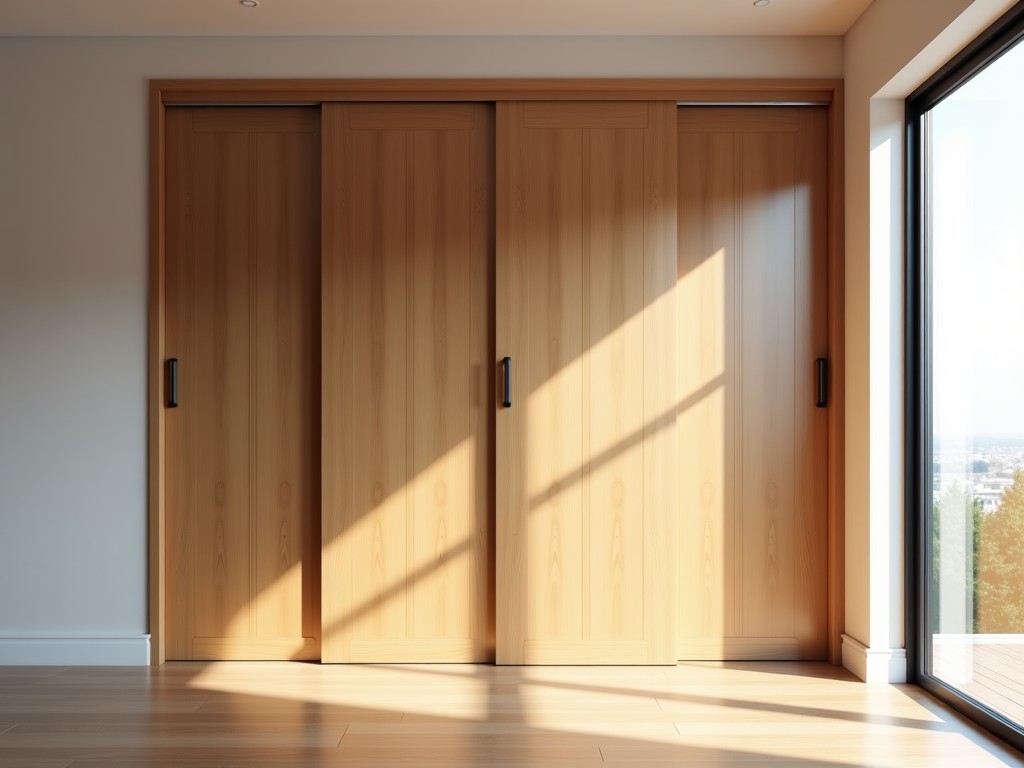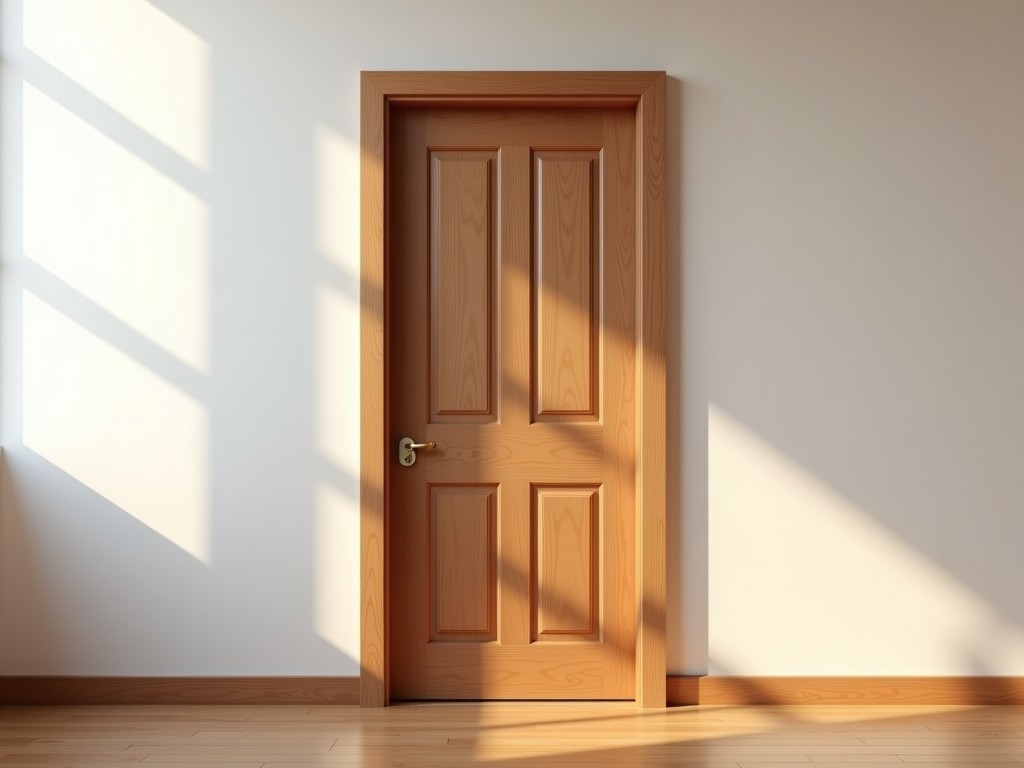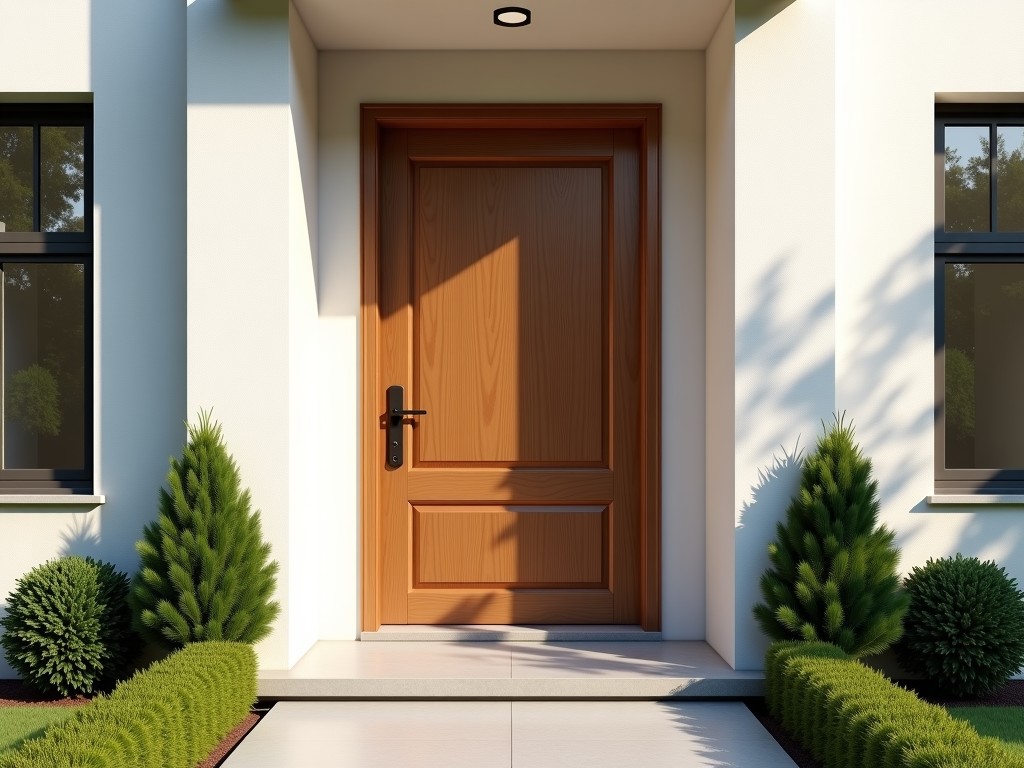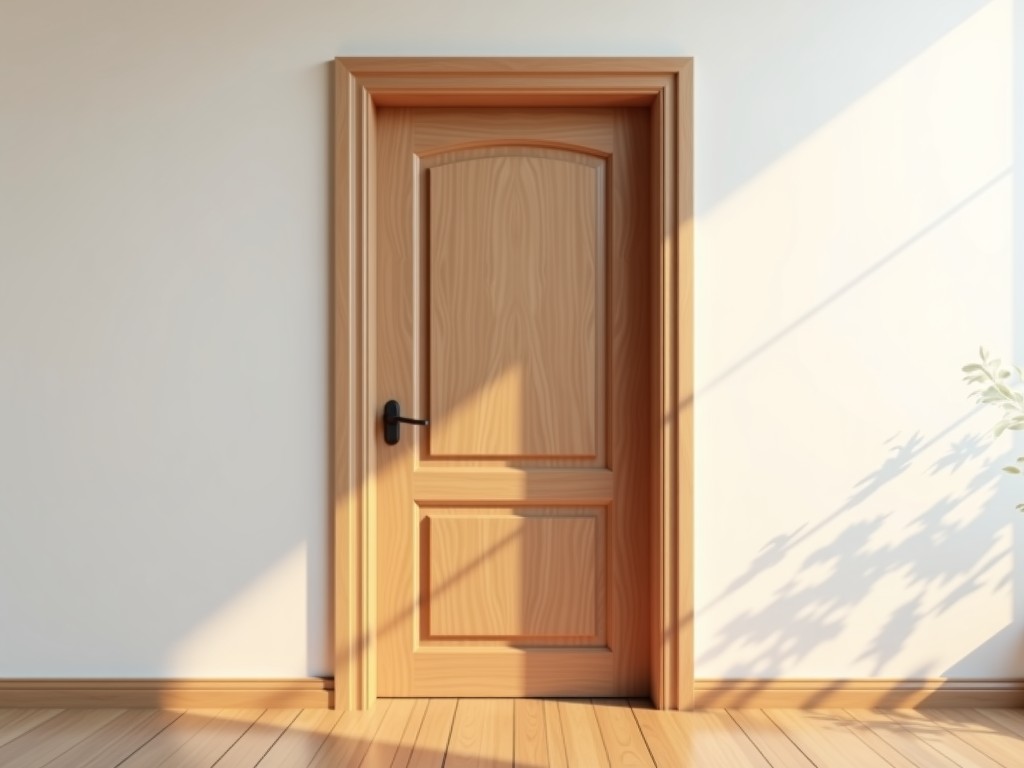
B2B Hotel Wooden Doors
B2B Hotel Wooden Doors
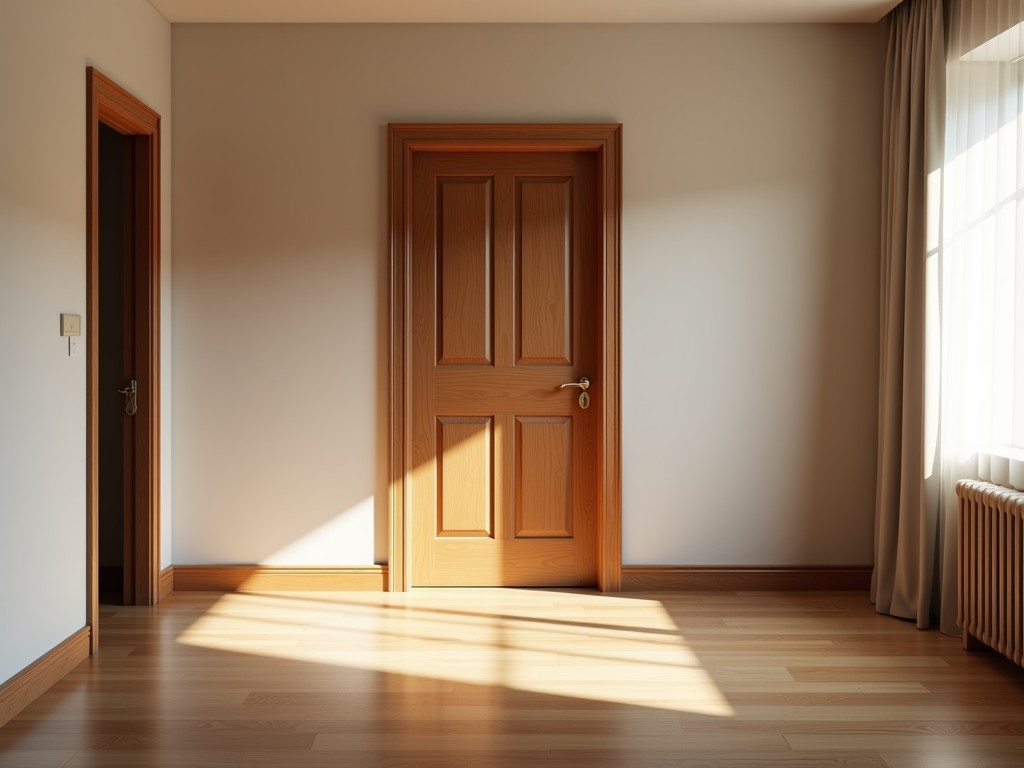
Hotel Wooden Doors: Engineered for Durability and Aesthetic Consistency
In hospitality environments, wooden doors face continuous operational stress from guest traffic, cleaning protocols, and fluctuating humidity levels. Performance expectations extend beyond appearance to include dimensional stability, wear resistance, and compliance with fire and acoustic standards. Selecting the right door solution requires understanding material behavior, construction methods, and long-term maintenance implications in high-use settings.
Material Selection for Hospitality-Grade Performance
Solid hardwoods like oak, maple, and sapele are commonly selected for their density and resistance to surface abrasion. Engineered cores — such as particleboard with high-density facings or laminated veneer lumber — provide enhanced stability against warping in environments with variable HVAC cycling. The choice between solid wood and engineered construction impacts not only initial cost but also lifecycle performance, particularly in areas with frequent door cycling or exposure to moisture from adjacent bathrooms or lobbies.
Construction Methods and Structural Integrity
Frame-and-panel construction allows for natural wood movement while maintaining alignment in vertical installations. Stile and rail joints, typically reinforced with mortise-and-tenon or dowel systems, resist racking under repeated use. For fire-rated assemblies, mineral cores or proprietary intumescent layers are integrated without compromising the wood veneer finish. Edge banding with PVC or solid wood protects vulnerable surfaces from impact damage during luggage handling or cart movement.
Finishing Systems for Long-Term Appearance
Factory-applied finishes — including UV-cured polyurethanes and moisture-resistant lacquers — provide consistent film thickness and adhesion, reducing field variability. These systems are formulated to withstand repeated cleaning with mild detergents and resist staining from common hotel amenities. Surface preparation, including sanding progression and dust control, directly affects finish longevity; inadequate preparation leads to premature wear or delamination, increasing lifecycle costs.
Typical Specifications for Hotel Applications
| Parameter | Typical Range | Notes |
|---|---|---|
| Door Thickness | 35–45 mm | Dependent on fire rating and acoustic requirements |
| Face Veneer Thickness | 0.6–1.2 mm | Thicker veneers allow for limited refinishing |
| Core Material | Solid wood, particleboard, MDF, or laminated veneer lumber | Selected based on stability, weight, and cost targets |
| Fire Rating | 20, 45, 60, or 90 minutes | Achieved via core composition and edge sealing |
| Acoustic Rating (STC) | 30–38 | Influenced by mass, sealing, and core damping properties |
| Edge Banding | PVC, ABS, or solid wood | Matches face veneer color and grain direction |
Customization for Brand and Design Consistency
Hotel chains often require door designs that reflect brand identity across multiple properties. Customization options include species selection, stain matching to existing millwork, profile routing for panel designs, and integration of hardware preparations for specific locksets or access control systems. Lead times for customized orders depend on material availability, finish complexity, and volume, with prototyping recommended for large-scale rollouts to validate appearance and performance before full production.
Packaging and Logistics for Damage Prevention
Doors are typically packed individually in corrugated cardboard with corner protectors and edge foam to prevent impact damage during transit. For international shipments, moisture barrier wrapping and pallet stabilization reduce risks of swelling or surface contamination. Clear labeling with project codes, handling instructions, and orientation marks assists receiving teams in minimizing on-site handling errors that could compromise finish integrity or alignment.
Installation and Field Adjustments
Proper installation requires plumb and square framing, with shims used sparingly to avoid stress concentrations. Hinge placement must align with factory preparations to prevent binding or uneven wear. Clearances at the head and jamb are critical for operation under varying humidity conditions; insufficient gaps can lead to sticking or frame damage over time. Post-installation adjustments should be limited to hardware tightening and minor planing — excessive material removal affects fire rating and acoustic performance.
Maintenance and Lifecycle Considerations
Routine maintenance includes cleaning with pH-neutral solutions and periodic inspection of hinge screws and strike plates. In high-traffic areas, touch-up kits matching the factory finish can address minor scratches without full refinishing. Replacement cycles typically range from 10 to 15 years in well-maintained properties, though this varies with usage intensity, environmental exposure, and initial construction quality. Designing for accessibility of hardware and ease of panel replacement reduces long-term operational disruption.