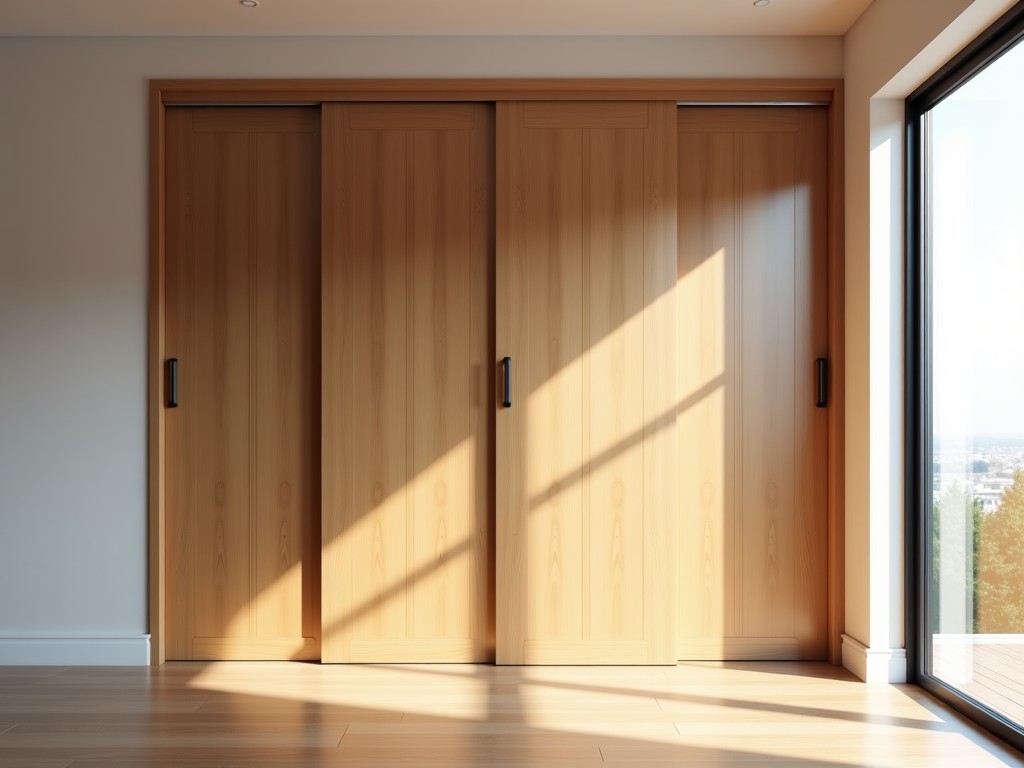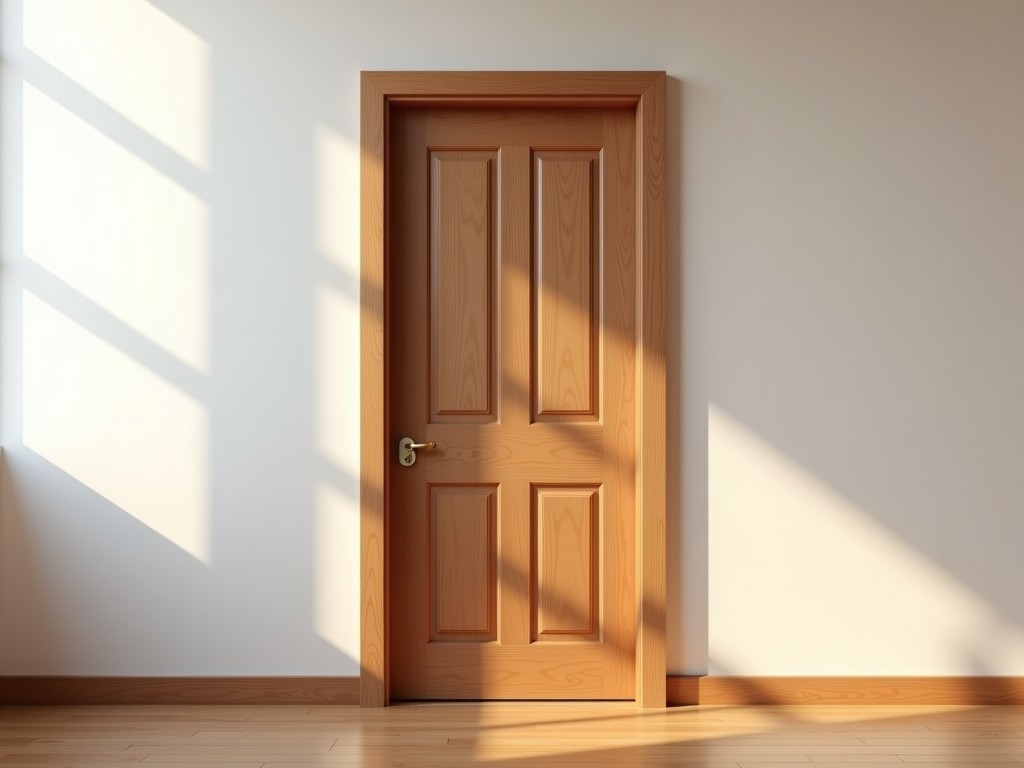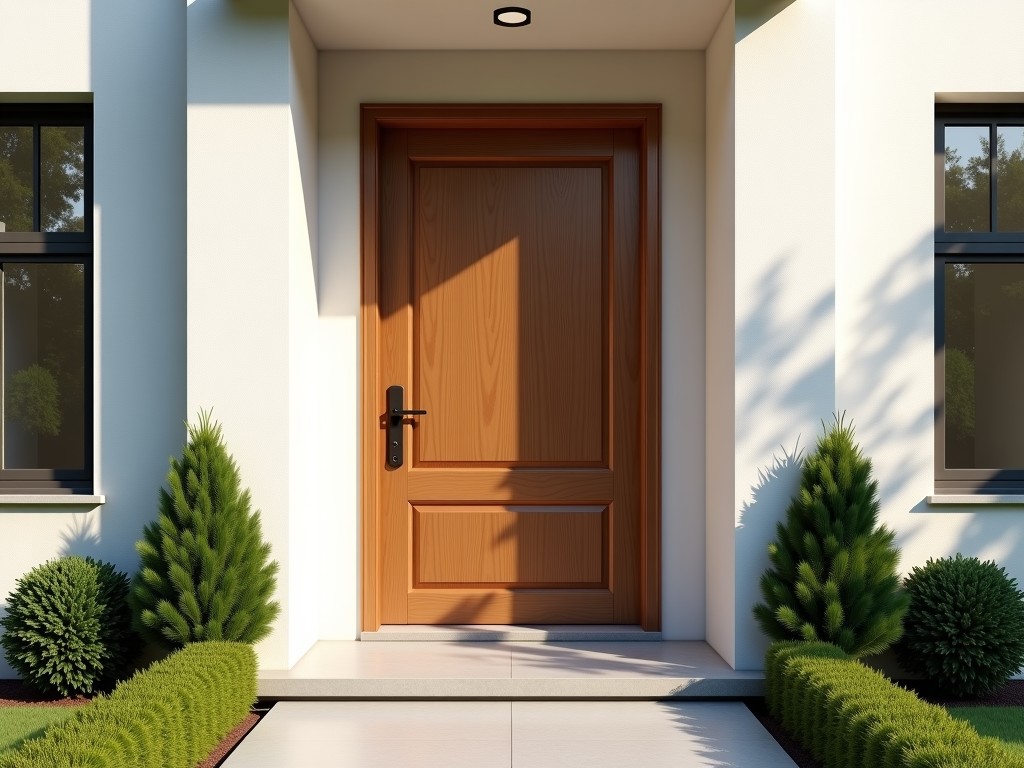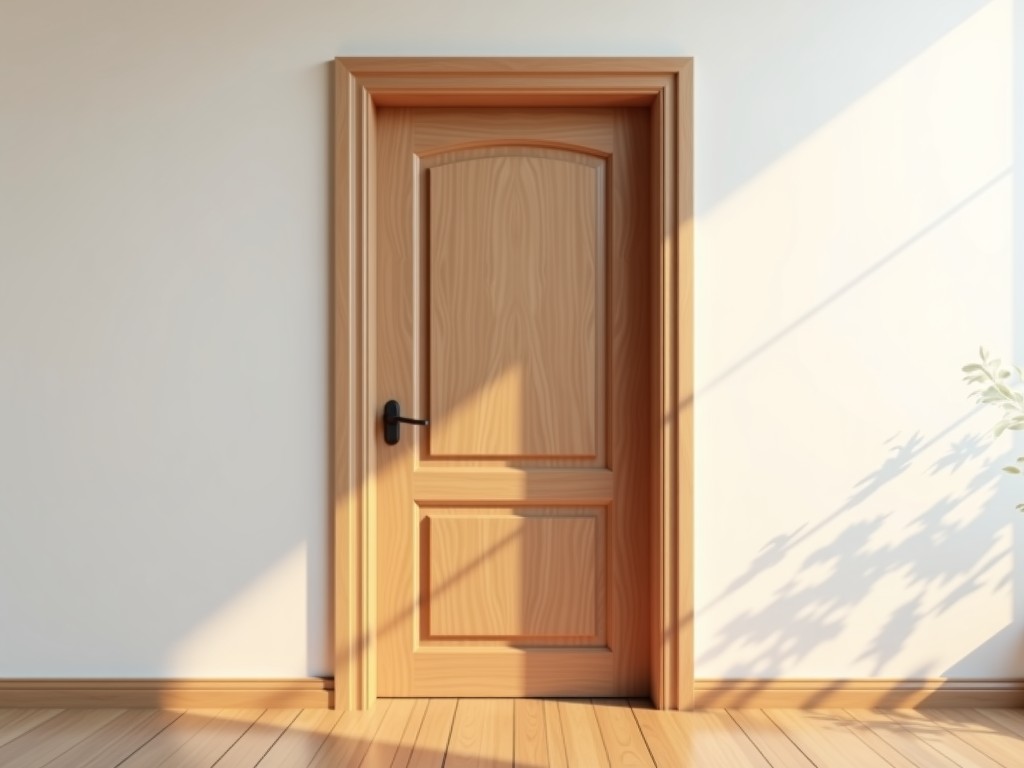
Buy Hotel Veneer Door
Buy Hotel Veneer Door
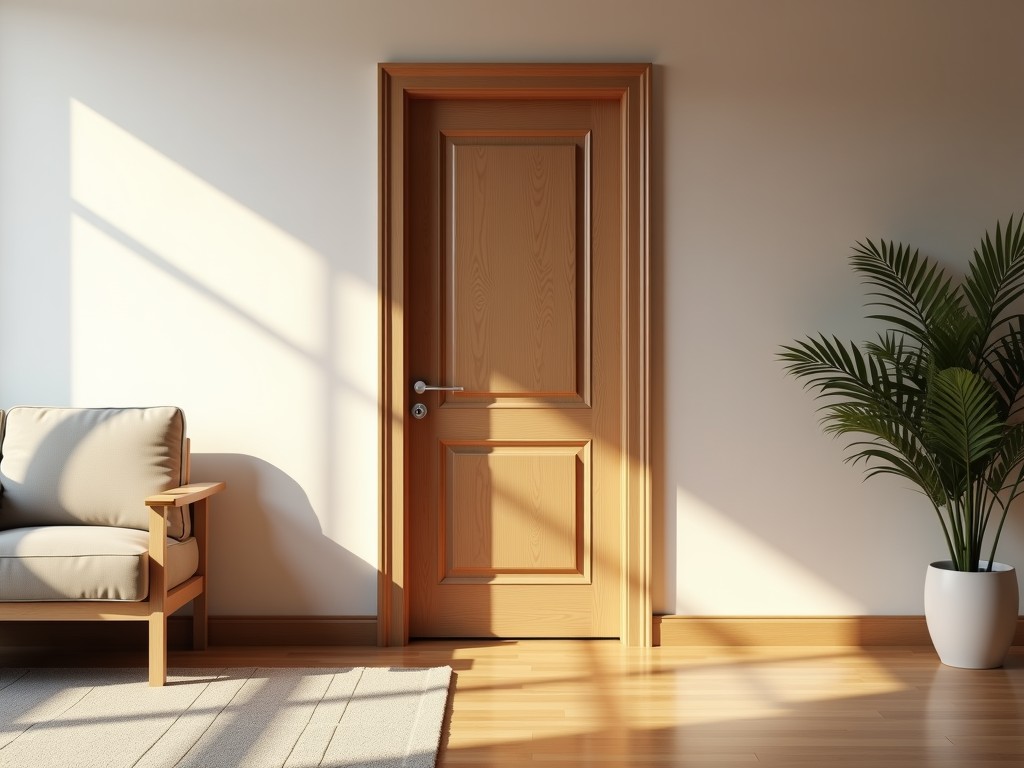
Hotel Veneer Door: Engineered for Durability and Aesthetic Consistency in High-Traffic Hospitality Environments
In hospitality settings, interior doors endure constant use, frequent cleaning, and exposure to varying humidity levels—challenges that demand materials engineered for long-term stability without compromising visual appeal. Hotel veneer doors address these requirements through a balanced construction that combines dimensional stability with realistic wood aesthetics, reducing lifecycle costs associated with warping, delamination, or surface degradation.
Material Selection and Core Construction
The performance of a veneer door begins with its substrate. For hotel applications, engineered cores such as particleboard, MDF, or laminated veneer lumber (LVL) are selected based on project-specific needs including fire rating, weight constraints, and screw-holding strength. These cores provide uniform density and minimal internal stress, reducing the likelihood of twisting or bowing over time compared to solid wood alternatives.
The decorative layer consists of real wood veneer—typically species like oak, maple, walnut, or sapele—sliced or rotary-cut to achieve consistent grain patterns. Veneer thickness generally ranges from 0.5mm to 0.8mm, sufficient for durability while allowing efficient material use. This thin layer is bonded to the core using heat-activated adhesives (commonly PUF or EVA-based) under controlled pressure, ensuring a void-free interface that resists delamination even under repeated impact or cleaning cycles.
Surface Finishing and Protective Coatings
To withstand frequent contact and cleaning agents, the veneer surface is sealed with factory-applied finishes. Common options include UV-cured polyurethane, acid-cured resins, or water-based topcoats, each offering different balances of hardness, chemical resistance, and yellowing resistance. A typical finish builds up to 25–40 microns dry film thickness, providing abrasion resistance suitable for corridor doors while maintaining the natural tactile feel of wood.
Edge sealing is critical in humid environments. All exposed edges—including lock rails, stiles, and bottom rails—are sealed with matching veneer or PVC/ABS edge bands, bonded with hot-melt adhesives to prevent moisture ingress. This detail significantly reduces the risk of core swelling at vulnerable points, a common cause of field failure in lesser constructions.
Typical Specifications and Dimensional Stability
| Parameter | Typical Range / Notes |
|---|---|
| Core Material | Particleboard, MDF, or LVL (fire-rated options available) |
| Veneer Species | Oak, Maple, Walnut, Sapele, Ash (custom species upon request) |
| Veneer Thickness | 0.5mm – 0.8mm (sliced or rotary-cut) |
| Door Thickness | 35mm, 40mm, 44mm, 50mm (project-dependent) |
| Finish Type | UV polyurethane, acid-cured, water-based (25–40 µm DFT) |
| Edge Treatment | Veneer, PVC, or ABS edge band (heat-sealed) |
| Fire Rating | Available up to 60 minutes (subject to core and assembly) |
| Dimensions | Custom sizes available; standard heights up to 2100mm, widths up to 900mm |
| Tolerance (Width/Height) | ±1.5mm (standard); tighter tolerances available for OEM projects |
Application Scenarios in Hospitality
Hotel veneer doors are specified across guestroom entries, corridor partitions, bathroom access, and back-of-house areas where a warm, natural appearance is desired without the maintenance demands of solid wood. In guest corridors, their resistance to cart impact and keycard wear reduces service interruptions. In bathrooms, properly sealed edges and moisture-resistant cores prevent swelling despite periodic humidity spikes.
For renovation projects, veneer doors offer a practical advantage: they can be manufactured to match existing door profiles and finishes, enabling phased replacements without visual inconsistency. This is particularly valuable in branded hotels where design continuity affects guest perception and brand compliance.
Customization and OEM Support
Manufacturers typically accommodate project-specific requirements including non-standard dimensions, custom veneer matching, fire-rated assemblies, acoustic enhancements (via core damping or perimeter seals), and integrated hardware preparations (for locks, hinges, and closers). Tooling costs for custom profiles are often amortized over production runs, making customization viable even for mid-volume orders.
Lead times depend on core availability, veneer sourcing, and finish complexity—typically ranging from 3 to 6 weeks for standard configurations, with longer timelines for fire-rated or exotic veneer options. Prototypes or samples are commonly provided upon request to validate finish, color, and edge detailing before full production.
Packaging and Logistics Considerations
To prevent damage during transit, doors are packed individually in corrugated cardboard or honeycomb board with corner protectors and edge foam. Stackable pallets use interlayer slip sheets and stretch wrapping to maintain unit stability. For export shipments, moisture-barrier liners and ISPM 15-compliant pallets are available upon request, reducing the risk of rejection at customs due to packaging non-compliance.
Handling instructions are included with each shipment, recommending vertical storage in dry, temperature-stable conditions prior to installation. Proper acclimatization—typically 48 hours in the installation environment—is advised to minimize post-installation movement.
Quality Control and Inspection Standards
Factory quality checks include visual inspection for veneer grain consistency, finish uniformity, edge adhesion, and dimensional accuracy. Random sampling is subjected to abrasion resistance (Taber test), cross-hatch adhesion (ASTM D3359), and humidity cycling to validate long-term performance. While specific test reports are project-dependent, manufacturers typically maintain internal QC protocols aligned with industry expectations for architectural woodwork.
Upon request, third-party inspection reports or compliance documentation (e.g., FSC, CARB2) can be arranged to support sustainability or indoor air quality requirements.