Buy Plywood Veneer Door
Buy Plywood Veneer Door
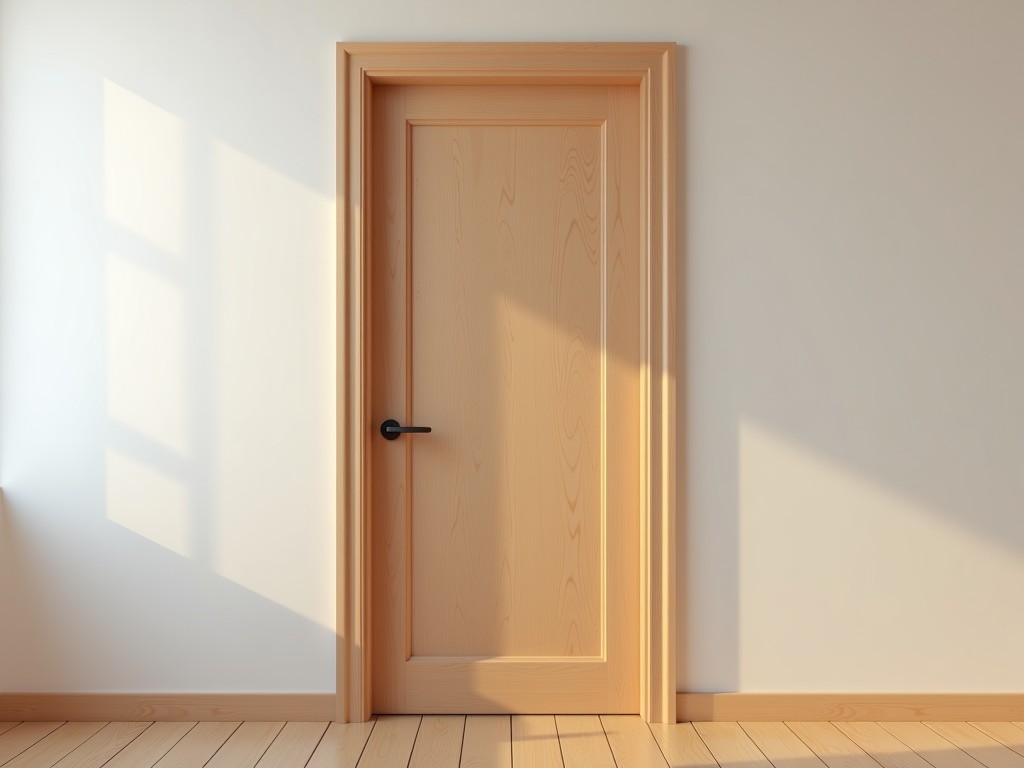
Plywood Veneer Door
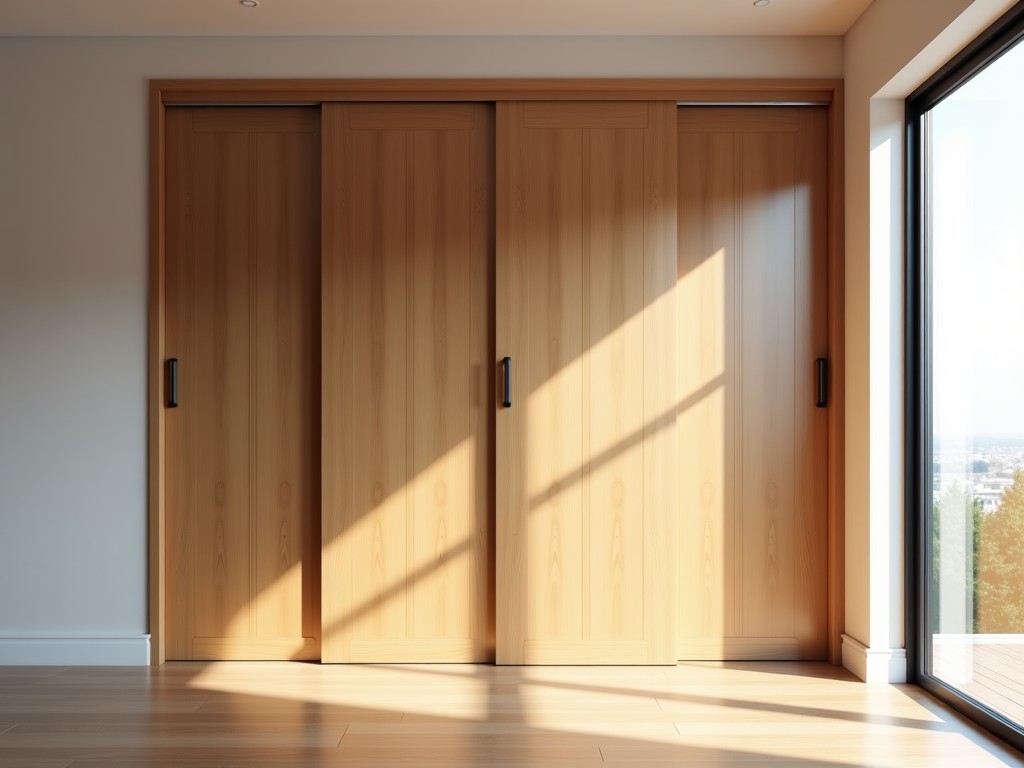
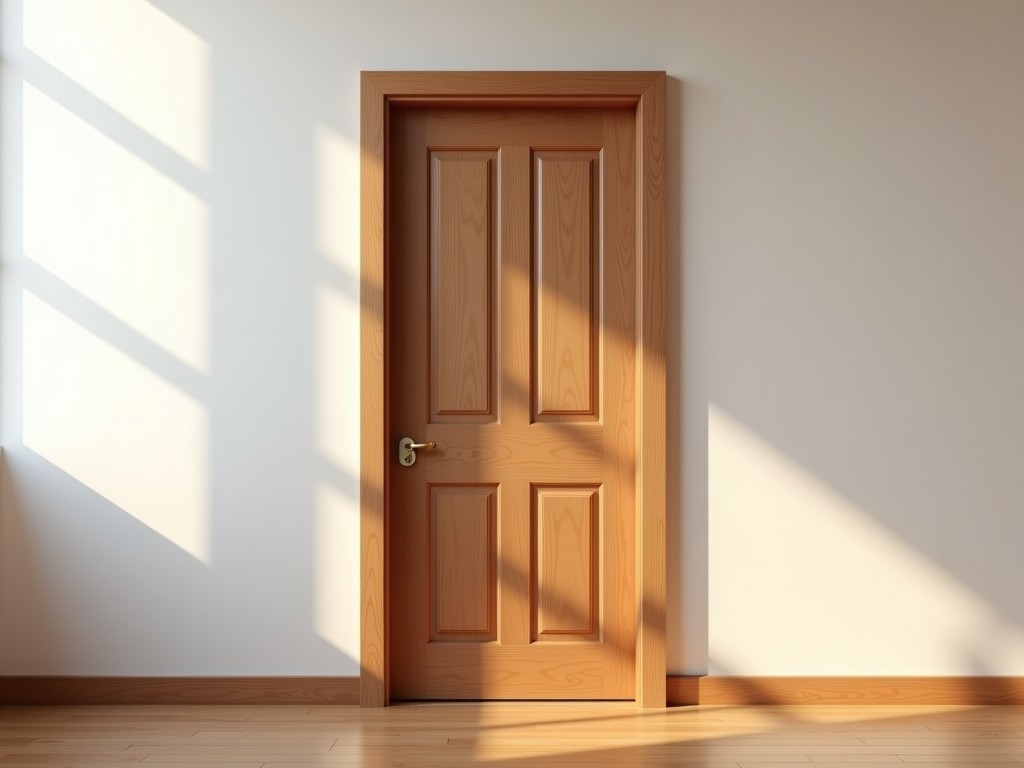
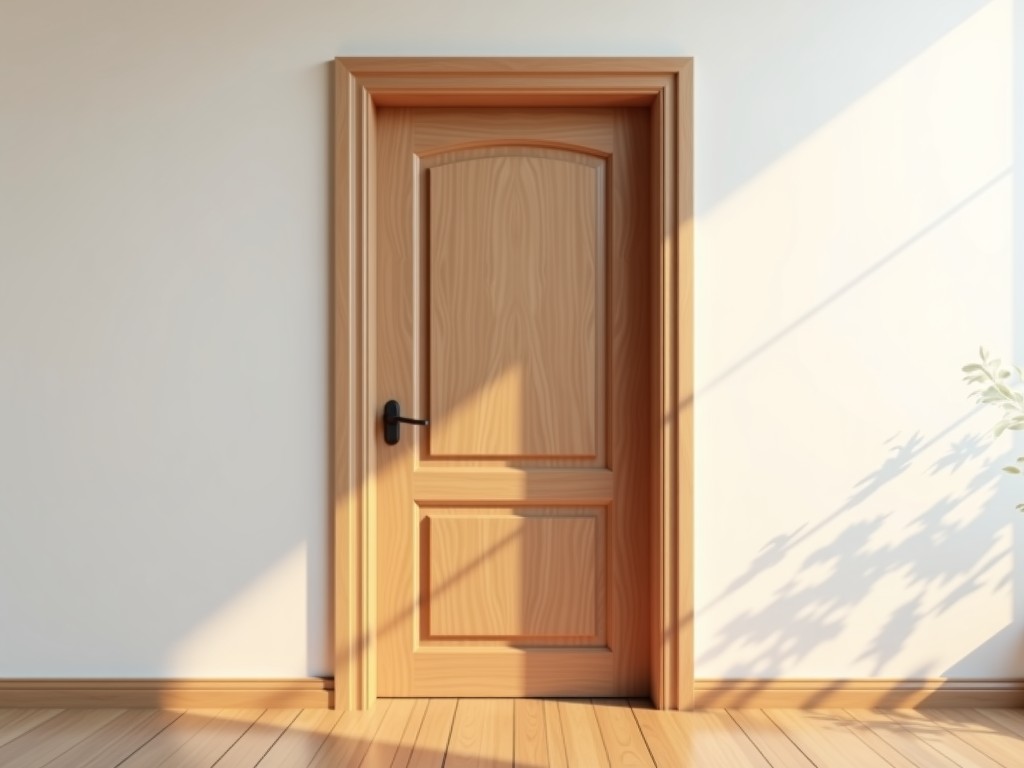
Plywood veneer doors combine a stable plywood core with a thin decorative wood veneer face, offering a balance of dimensional stability, surface finish quality, and cost efficiency for interior and light exterior applications. Unlike solid wood doors, the cross-laminated plywood core minimizes warping and twisting, while the veneer provides the aesthetic of natural wood grain. This construction is commonly specified in commercial interiors, residential multi-family units, and institutional buildings where consistent appearance and long-term performance are required.
Material Selection and Core Construction
The core is typically manufactured from 3-ply or 5-ply softwood or hardwood plywood, with face and back veneers bonded using urea-formaldehyde (UF) or melamine-urea-formaldehyde (MUF) adhesives for interior use, or phenol-formaldehyde (PF) for exterior or high-moisture environments. Veneer species range from economical options like birch or poplar to premium hardwoods such as oak, maple, or walnut, selected based on grain pattern, stain acceptance, and project budget. The cross-banded structure of the plywood core ensures uniform expansion and contraction, reducing the likelihood of joint telegraphing or surface checking over time.
Manufacturing Process
Production begins with core layup, where veneer sheets are rotated 90 degrees between layers and bonded under heat and pressure in a hot press. After curing, the core is sanded to achieve uniform thickness before the decorative veneer is applied to both faces using a secondary pressing operation. Edges are then banded with matching or contrasting veneer or PVC edgebanding to seal the core and provide a finished appearance. Throughout the process, moisture content is monitored to maintain stability, typically targeting 8±2% for interior applications. Final sanding and preparation for finishing (primer, stain, or topcoat) occur before packaging.
Typical Specifications
| Parameter | Typical Range | Notes |
|---|---|---|
| Door Thickness | 35mm, 40mm, 45mm | 40mm most common for interior; 45mm for higher traffic or acoustic needs |
| Core Type | 3-ply or 5-ply plywood | 5-ply offers improved screw holding and impact resistance |
| Face Veneer Thickness | 0.6mm – 1.0mm | Thicker veneer allows for more sanding cycles during refinishing |
| Adhesive Type (Core) | UF, MUF, or PF | PF recommended for exterior or humid environments |
| Maximum Size | 2440mm x 1220mm (8' x 4') | Larger sizes available via core splicing or special order |
Standard tolerances for thickness are typically ±0.5mm, with width and height held to ±2mm unless tighter tolerances are specified for pre-hung systems. Custom thicknesses, core compositions, and veneer matching (book-matched, slip-matched, or random) are available upon request to meet architectural or OEM requirements.
Application Scenarios
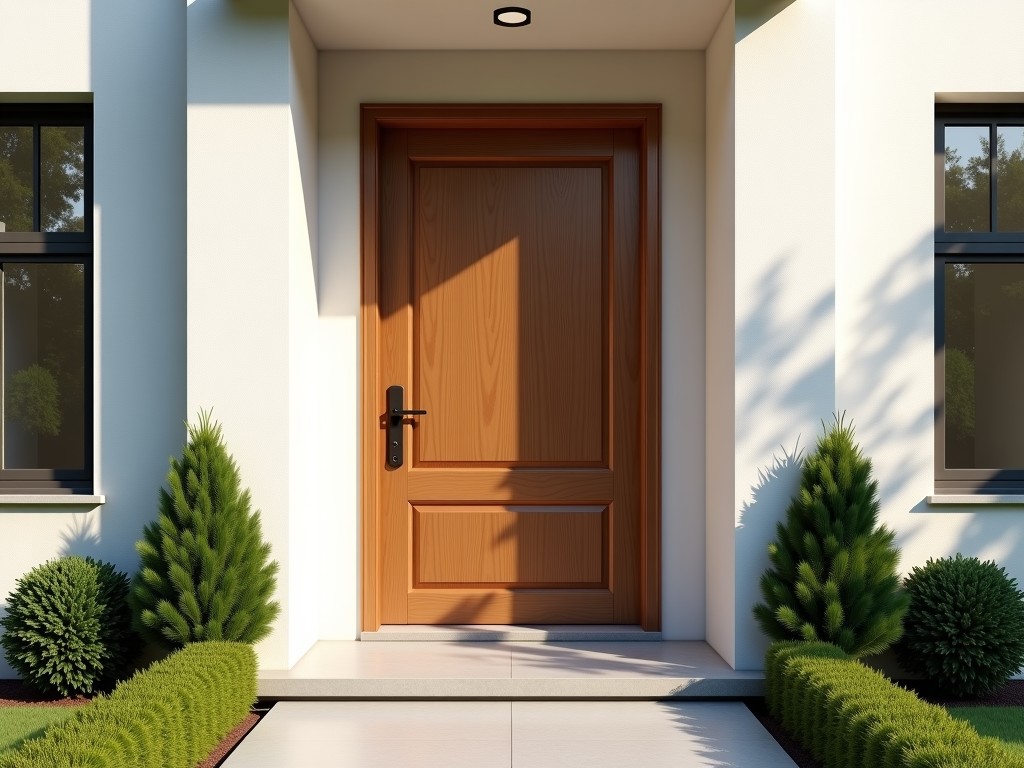
Plywood veneer doors are widely used in office buildings, hotels, schools, and healthcare facilities where a natural wood appearance is desired without the cost or movement risks of solid wood. In multi-family residential projects, they provide a consistent finish across units while resisting seasonal swelling and shrinking better than solid core alternatives. For exterior applications such as entryways or patio doors, PF-bonded cores with exterior-grade veneers and proper overhang protection deliver reliable performance in moderate climates. Their compatibility with standard hinge and lock preparations makes them a practical choice for both new construction and renovation projects.
Customization Options
Beyond standard sizes and veneer species, customization includes core reinforcement for heavy-duty hardware, cutouts for glass lites or louvers, and edge profiling to match specific frame systems. Veneer can be pre-finished with stain, paint, or UV coating to reduce on-site labor, or supplied raw for field finishing to match existing woodwork. For projects requiring fire resistance, fire-retardant treated cores or intumescent edge seals can be integrated. All customizations are evaluated for impact on structural integrity, moisture resistance, and long-term stability before production.
Packaging and Logistics
Doors are typically stacked horizontally on pallets with corner protectors and intermediate sheets of corrugated cardboard or HDF to prevent surface abrasion. Each stack is wrapped in stretch film and secured with strapping to resist shifting during transit. For export, additional moisture barriers and fumigation-compliant pallet materials are used as required. Lead times depend on core availability, veneer species, and customization complexity, generally ranging from 2 to 4 weeks for standard configurations and 4 to 6 weeks for specialized orders. Door weight varies with core density and thickness, typically between 20–35kg per unit, influencing handling and freight calculations.
Quality Control and Inspection
Quality checks occur at multiple stages: core flatness and bonding integrity after pressing, veneer adhesion and grain consistency before final sanding, and dimensional accuracy and edge finish prior to packaging. Surface inspection is conducted under standardized lighting to detect defects such as bleed-through, uneven sanding, or veneer gaps. Moisture content is verified with pin-type meters, and adhesive cure is assessed through bond strength testing when required by project specifications. Packaging integrity is confirmed before shipment to minimize damage risk during transport and storage.
Discuss your project requirements with our engineering team.