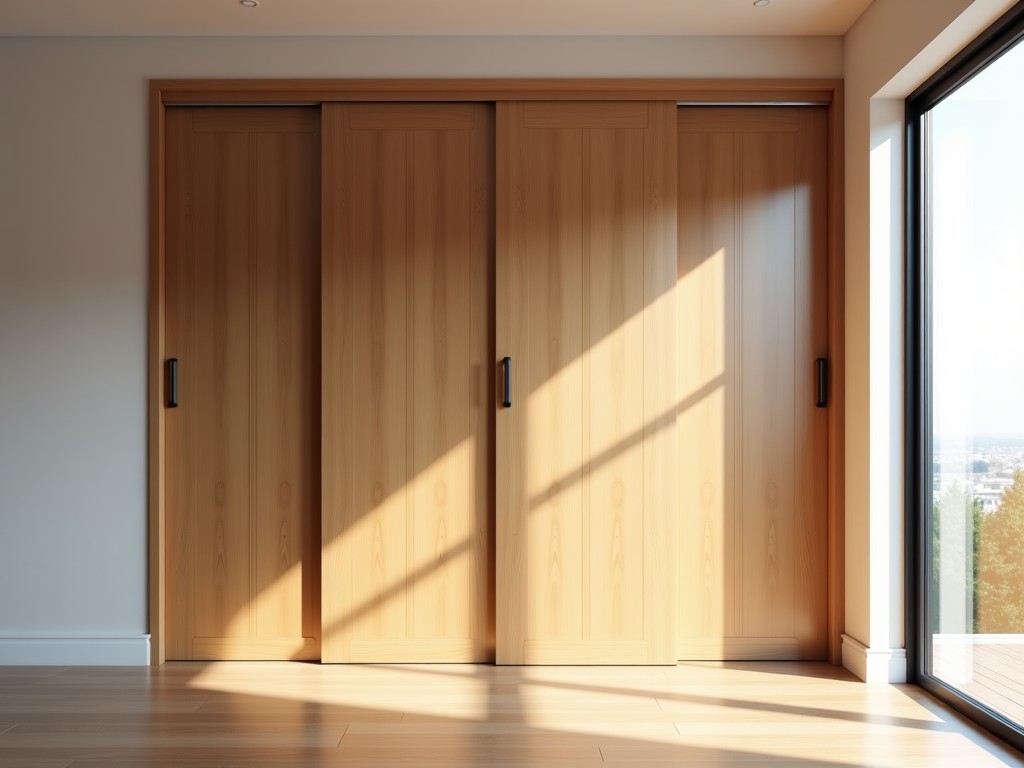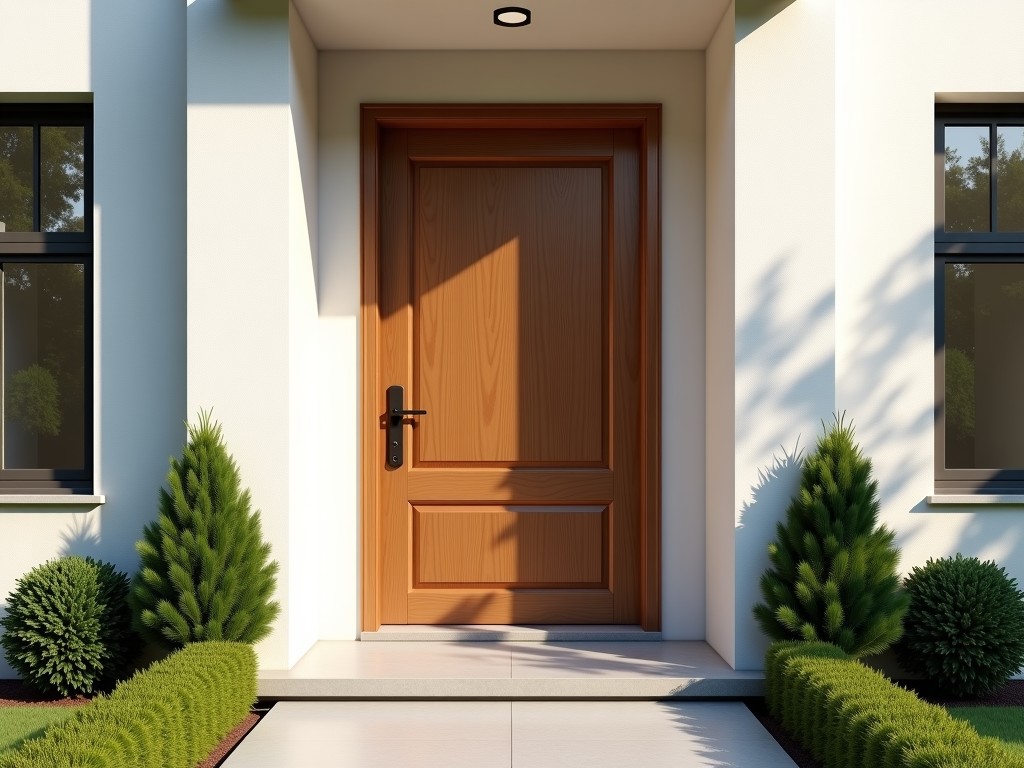
China Custom Composite Door
China Custom Composite Door
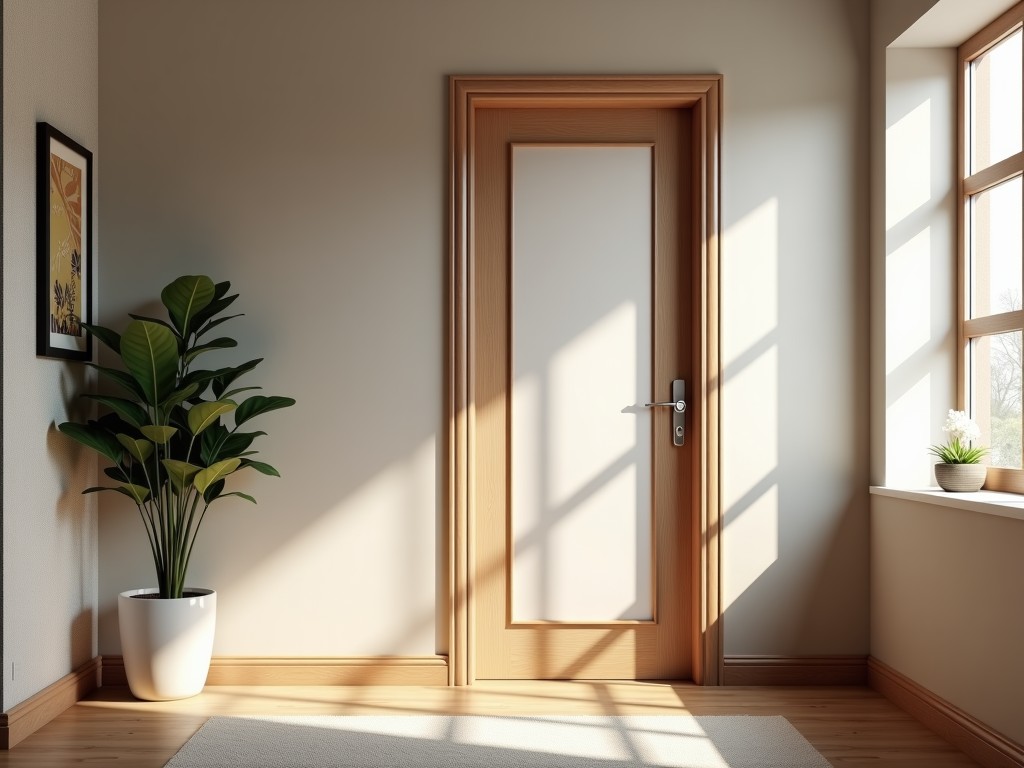
China Custom Composite Door Solutions
Composite doors engineered for industrial and commercial applications combine reinforced core materials with protective surface layers to deliver dimensional stability, impact resistance, and long-term performance in demanding environments. Manufactured in China with customizable specifications, these doors address the specific needs of facilities requiring tailored access solutions without compromising on structural integrity or operational efficiency.
Industry Challenges in Access System Specification
Facility managers and procurement teams frequently encounter limitations with standard door offerings when integrating access points into automated production lines, cleanroom environments, or high-traffic logistics corridors. Off-the-shelf solutions often lack the precise dimensional tolerances, material compatibility, or hardware integration capabilities required for seamless installation and reliable long-term operation.
Common pain points include warping under humidity fluctuations, insufficient load-bearing capacity for heavy-duty use, and difficulty matching fire-rated or acoustic performance requirements across different zones within a single facility. These issues lead to increased maintenance cycles, premature replacement, and potential disruptions to workflow continuity.
Material Selection and Core Construction
The structural foundation of a custom composite door begins with the core material, which directly influences weight, thermal properties, and resistance to deformation. Common core options include:
- High-density polyurethane foam for superior thermal insulation and lightweight construction
- Mineral wool cores providing enhanced fire resistance and acoustic damping
- Honeycomb aluminum or polypropylene cores offering high strength-to-weight ratios for large-span applications
- Solid wood or engineered lumber cores where aesthetic finish and screw-holding capacity are priorities
Each core type is selected based on the operational demands of the installation environment — whether prioritizing energy efficiency in climate-controlled spaces, meeting fire safety codes in public access areas, or minimizing deflection in frequently cycled industrial doors.
Surface Layer Engineering and Protection
The outer skin of a composite door serves as the primary barrier against environmental exposure, mechanical wear, and chemical contact. Surface materials are chosen not only for appearance but for functional compatibility with cleaning protocols, impact resistance, and adhesion properties for hardware mounting.
Typical surface options include:
- Hot-dip galvanized steel sheets with polyester or polyurethane coatings for corrosion resistance and scratch durability
- Stainless steel cladding (grades 304 or 316) for hygienic environments requiring frequent washdown
- Fiberglass-reinforced polymer (FRP) laminates offering excellent chemical resistance and non-conductive properties
- High-pressure laminate (HPL) or melamine-faced panels for aesthetic flexibility in architectural applications
Surface treatments are applied with controlled adhesion processes to prevent delamination under thermal cycling or mechanical stress, ensuring long-term bond integrity between core and facing materials.
Manufacturing Process and Quality Control
Production begins with precise CNC cutting of core materials to specified dimensions, followed by adhesive bonding of surface layers under controlled pressure and temperature conditions. This lamination process ensures uniform bonding without voids or weak points that could compromise structural performance.
After lamination, doors undergo edge sealing to protect against moisture ingress, particularly critical in humid or washdown environments. Hardware preparation — including hinge reinforcement, lock mortising, and panel pre-drilling — is completed to customer specifications before final inspection.
Quality control checks include dimensional verification against tolerance bands, surface flatness assessment, adhesion testing of core-to-face bonds, and functional testing of installed hardware. These steps are performed per project requirements rather than relying on generic pass/fail criteria.
Typical Specifications and Customization Parameters
While exact values depend on project-specific requirements, the following ranges represent common configurations for industrial composite doors:
| Parameter | Typical Range / Options |
|---|---|
| Door Thickness | 35 mm to 60 mm (customizable beyond) |
| Maximum Width | Up to 1200 mm (single leaf); 2400 mm (double leaf) |
| Maximum Height | Up to 2400 mm (single leaf); 3000 mm (double leaf with transom) |
| Core Density (Polyurethane) | 35–50 kg/m³ (adjustable for insulation or load needs) |
| Surface Material Thickness | 0.5 mm–1.2 mm (steel); 0.8 mm–2.0 mm (FRP/HPL) |
| Fire Rating (Optional) | 30 min, 60 min, 90 min (subject to core and facing compliance) |
| Acoustic Performance (Rw) | 25–35 dB (dependent on core mass and sealing) |
| Operating Temperature Range | -20°C to +80°C (standard); extended ranges available |
Customization extends beyond dimensions to include integrated vision panels, louvered sections for ventilation, electromagnetic shielding layers, and custom hardware preparations for access control systems, panic bars, or automated operators.
Application-Specific Design Considerations
In food processing facilities, composite doors with stainless steel facings and sealed edges resist corrosion from frequent chemical washdowns while maintaining hygienic surfaces that do not harbor contaminants. The non-porous nature of FRP or stainless surfaces simplifies cleaning validation procedures required under HACCP or ISO 22000 standards.
For cleanroom environments in pharmaceutical or electronics manufacturing, doors are specified with smooth, non-particle-generating surfaces and minimized seams to reduce airborne particulate generation. Pressure differentials are managed through proper sealing and threshold design to maintain ISO-classed conditions across zones.
In logistics and distribution centers, high-cycle doors benefit from reinforced hinge preparations and impact-resistant edge guards to withstand frequent contact with material handling equipment. Thermal break designs help maintain temperature segregation between ambient and refrigerated zones, reducing energy loss at access points.
Packaging, Logistics, and Installation Support
To prevent damage during transit, doors are packaged with corner protectors, edge guards, and moisture-barrier wrapping. Units are stacked on pallets with load-distributing interleaving sheets to avoid point pressure that could cause surface deformation. Packaging methods are adjusted based on door size, weight, and destination climate conditions.
Installation guidance includes recommended shimming practices, clearance tolerances for frame alignment, and sealing techniques for perimeter joints to maintain environmental performance. Hardware installation sequences are provided to ensure proper load distribution and operational smoothness.
For OEM buyers integrating doors into larger systems, CAD models and installation manuals are available upon request to facilitate seamless incorporation into assembly line designs or architectural plans.
Quality Assurance and Supply Consistency
Production consistency is maintained through controlled raw material sourcing, in-process monitoring of adhesive cure cycles, and final audits against approved samples. Rather than relying on end-of-line testing alone, quality is built into each stage of manufacturing — from core cutting precision to surface adhesion verification.
Supply stability is supported by scalable manufacturing capacity and established logistics partnerships, enabling reliable fulfillment of both prototype runs and recurring production orders. Lead times are communicated clearly based on current tooling availability and material lead times, with adjustments made for custom features or special certifications.
Discuss Your Project Requirements
Share your specifications, drawings, or performance criteria with our engineering team to receive a tailored proposal for custom composite doors. We evaluate each request based on environmental conditions, operational demands, and integration needs to recommend appropriate materials, dimensions, and construction methods.
Provide details such as required dimensions, core performance needs (thermal, fire, acoustic), surface material preferences, hardware requirements, and any applicable industry standards to ensure the solution aligns with your facility’s technical and regulatory framework.