China Front Entry Door
China Front Entry Door
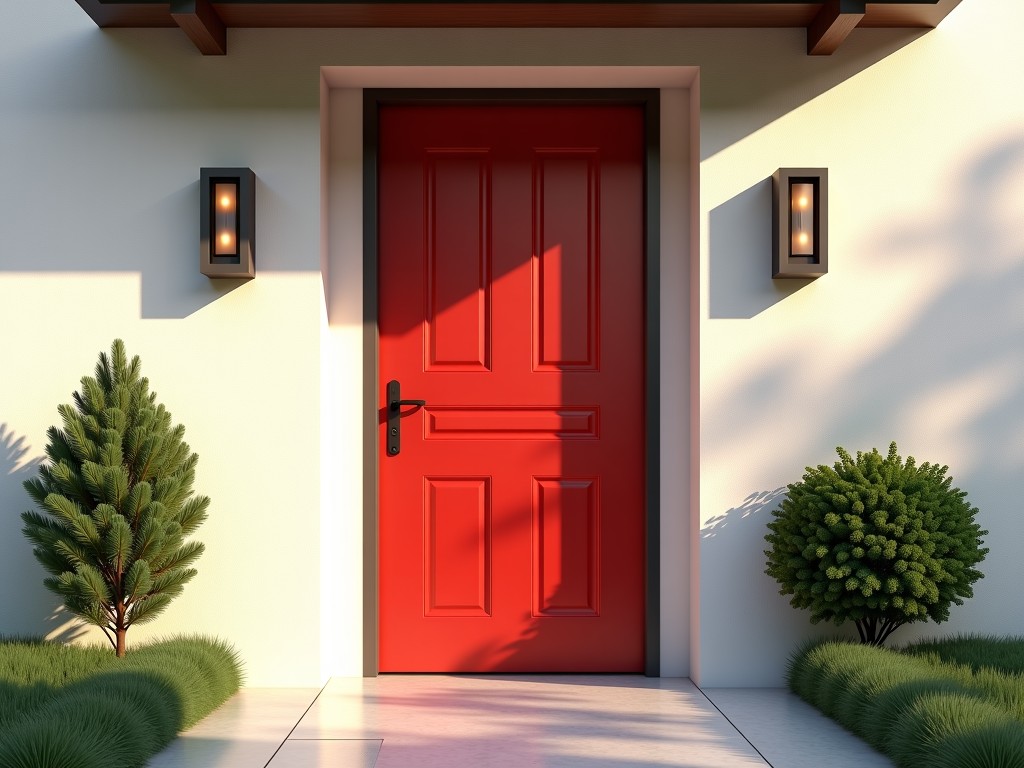
China Front Entry Door: Engineering Considerations for Industrial and Commercial Applications
Front entry doors in industrial and commercial settings serve as critical interfaces between controlled interior environments and external conditions. Selection involves evaluating structural performance, material behavior under cyclic loading, thermal bridging, and long-term durability—factors that directly impact facility safety, energy efficiency, and operational continuity. This page outlines the technical aspects of front entry doors manufactured in China, focusing on engineering parameters relevant to procurement and design teams.
Material Selection and Structural Implications
The choice of door leaf and frame materials determines load-bearing capacity, resistance to deformation, and compatibility with hardware. Common configurations include galvanized steel frames with mineral core infills, aluminum thermally broken profiles, and composite assemblies using fiber-reinforced polymers. Steel doors typically offer higher yield strength (250–350 MPa) and are favored in high-traffic or impact-prone zones. Aluminum systems, while lighter, require careful design to avoid thermal bridging and may incorporate polyamide strips to reduce conductivity. Composite cores provide improved insulation but demand verification of long-term creep resistance under sustained loads.
Thermal Performance and Air Infiltration Control
In climate-controlled facilities, door assemblies contribute significantly to envelope heat transfer. Thermal transmittance (U-value) depends on frame conductivity, core material conductivity, and sealing effectiveness. Polyurethane or polystyrene cores yield U-values between 1.2 and 2.0 W/m²K in standard configurations, while vacuum-insulated panels can achieve lower values at higher cost. Air leakage, measured per ASTM E283 or EN 12207, is controlled through multiple gasket lines, compressive seals, and threshold design. Proper installation detailing—including shimming, flashing, and perimeter sealing—is essential to maintain rated performance.
Hardware Integration and Operational Longevity
Door hardware—hinges, locks, closers, and panic devices—must align with leaf weight, frequency of use, and required egress performance. Heavy-duty ball-bearing hinges (grade 3 per ANSI A156.1) support leaves exceeding 80 kg without sag. Surface-mounted or concealed closers are selected based on opening force requirements (ADA or local code compliance) and durability needs. Cycle testing (e.g., 250,000 operations) validates hardware lifespan; manufacturers typically provide MTTF (mean time to failure) data upon request. Corrosion-resistant finishes (e.g., zinc-nickel plating, powder coating) extend service life in humid or chemically exposed environments.
Typical Specifications and Dimensional Ranges
| Parameter | Typical Range | Notes |
|---|---|---|
| Leaf Thickness | 40–80 mm | Dependent on core and facing materials |
| Frame Depth | 60–120 mm | Accommodates insulation and thermal breaks |
| Clear Opening Width | 800–1200 mm (single leaf) | Double leaf configurations up to 2000 mm |
| Clear Opening Height | 2000–2500 mm | Custom heights available |
| Weight (Steel Leaf) | 35–60 kg/m² | Influences hardware selection |
| U-Value (Typical) | 1.4–2.2 W/m²K | Lower values with advanced cores |
| Air Leakage (at 75 Pa) | <1.5 m³/m²h | Meets commercial building standards |
Manufacturing Process and Quality Control
Production typically involves roll-forming or extrusion of frame profiles, followed by cutting, punching, and assembly. Door leaves are fabricated by bonding facings (steel, aluminum, or composite sheets) to core materials under controlled pressure and temperature. Adhesive selection affects long-term bond integrity; polyurethane or epoxy systems are common for structural bonds. Quality control includes dimensional verification (diagonal tolerance <3 mm), squareness checks, and functional testing of hardware. Surface finish consistency is assessed via gloss meters and adhesion tests (ASTM D3359). Packaging uses corner protectors, edge guards, and moisture-barrier wraps to prevent damage during transit.
Customization Options and Project Integration
Customization extends beyond dimensions to include fire ratings (EI30, EI60 per EN 1634), acoustic performance (Rw up to 42 dB), and security classifications (RC2–RC4 per EN 1627). Vision panels require certified glazing and compatible framing systems to maintain overall door performance. Powder coating allows RAL color matching, while anodizing provides durable finishes for aluminum. For OEM integration, manufacturers accept CAD files (STEP, IGES, DWG) to develop tooling and validate clearance. Minimum order quantities vary: standard sizes may ship from stock, while custom runs typically require 50–100 units depending on complexity.
Installation and Field Considerations
Proper installation is critical to achieving rated performance. Shims must be placed at hinge and strike locations to prevent frame distortion. Sealant compatibility with frame materials (e.g., avoiding acetates on PVC) prevents degradation. Thresholds should be set level and sealed to prevent water ingress. Post-installation adjustments—such as hinge tightening, latch alignment, and closer tensioning—ensure smooth operation and reduce wear. Training maintenance staff on lubrication schedules and inspection points (e.g., hinge wear, gasket compression) extends service life and reduces unexpected failures.
Supply Chain and Lead Time Factors
Lead times depend on material availability, tooling requirements, and order complexity. Standard configurations with in-stock cores and facings may ship within 2–4 weeks. Custom profiles or specialized cores (e.g., fire-rated, acoustic) extend timelines to 6–10 weeks due to material sourcing and validation. Shipping is typically via FCL container; palletizing and container loading plans minimize damage risk. Documentation includes material test reports (MTRs), finish certificates, and compliance declarations (CE, where applicable). Importers should verify destination-country standards (e.g., ASTM, CSA, AS/NZS) to avoid rework or rejection.
Discuss your project requirements with our engineering team to review material options, performance criteria, and integration details. Share your drawings or specifications for a customized proposal tailored to your facility’s operational demands.