China Hotel Door Frame
China Hotel Door Frame
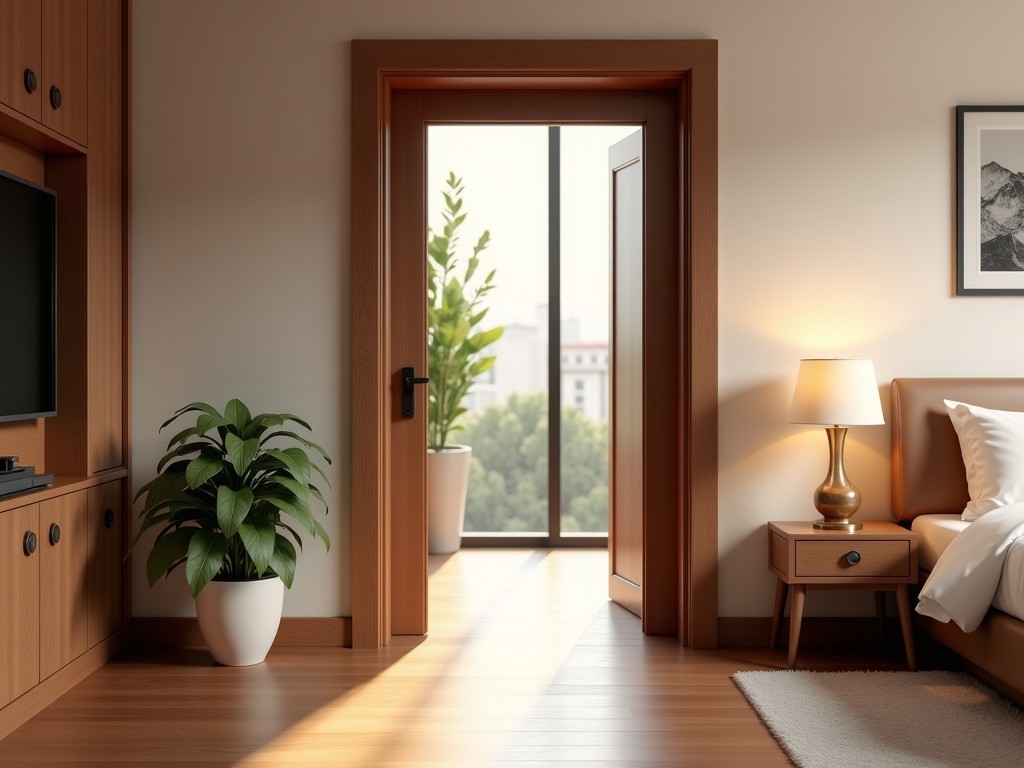
China Hotel Door Frame Systems
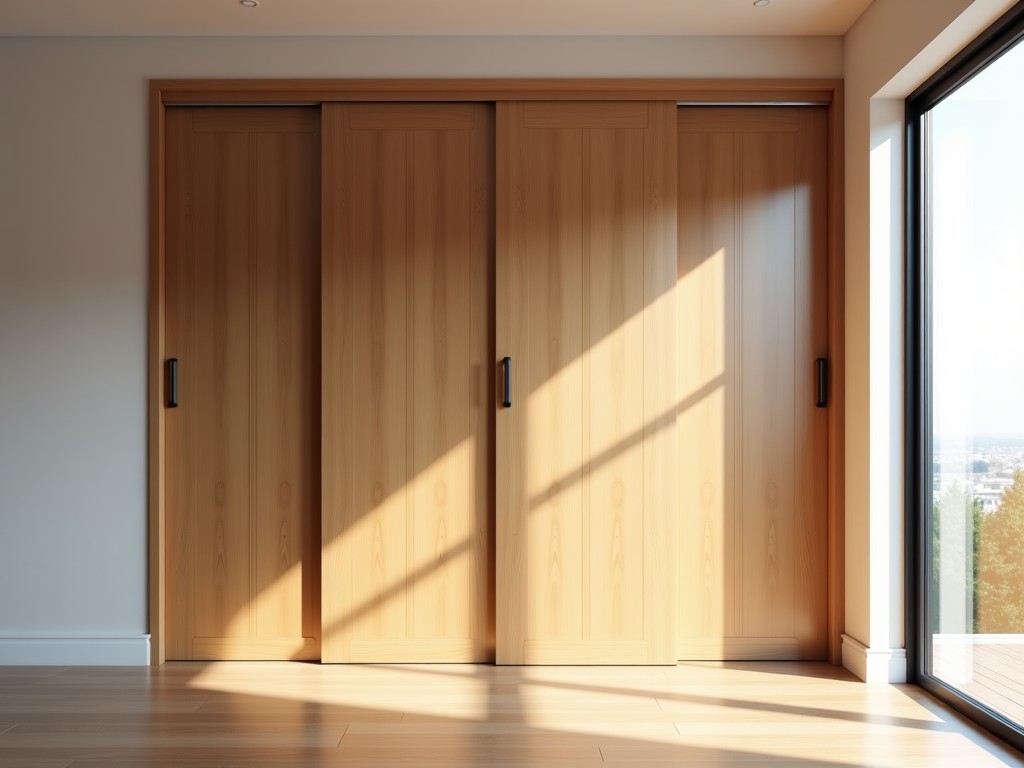
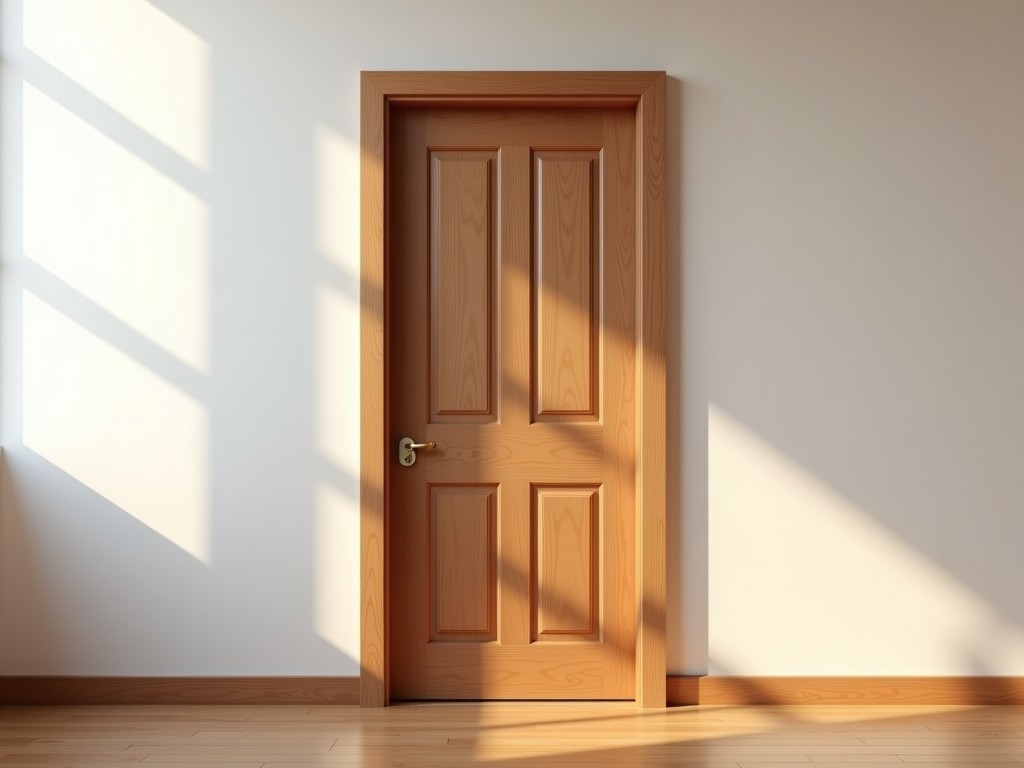
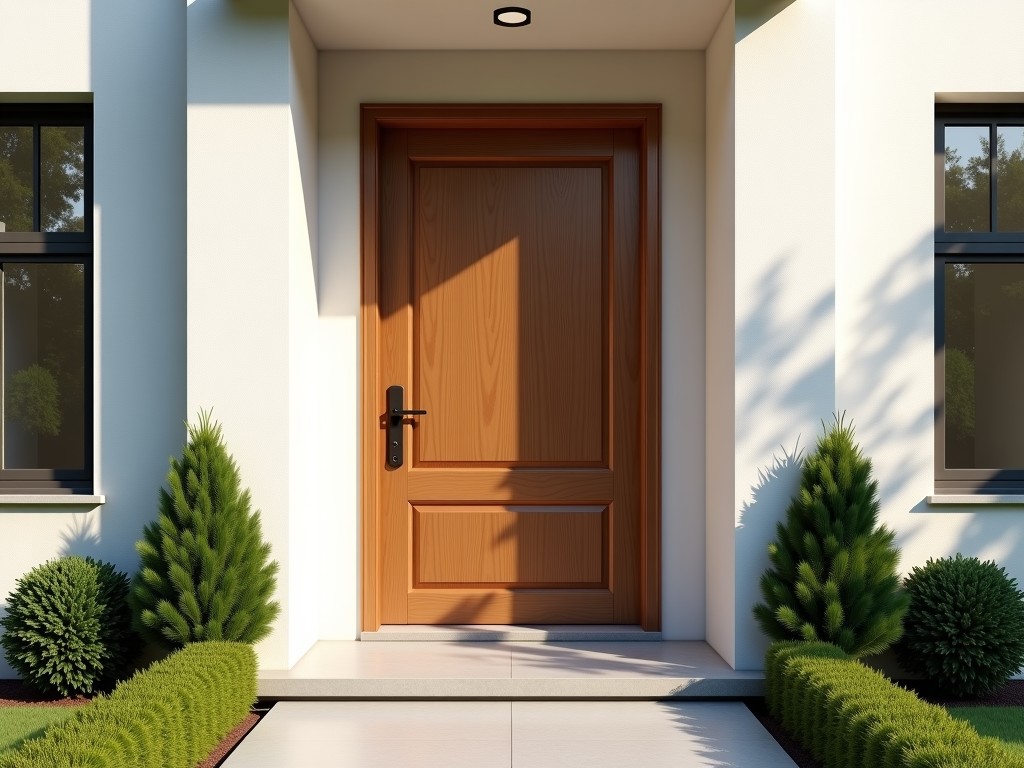
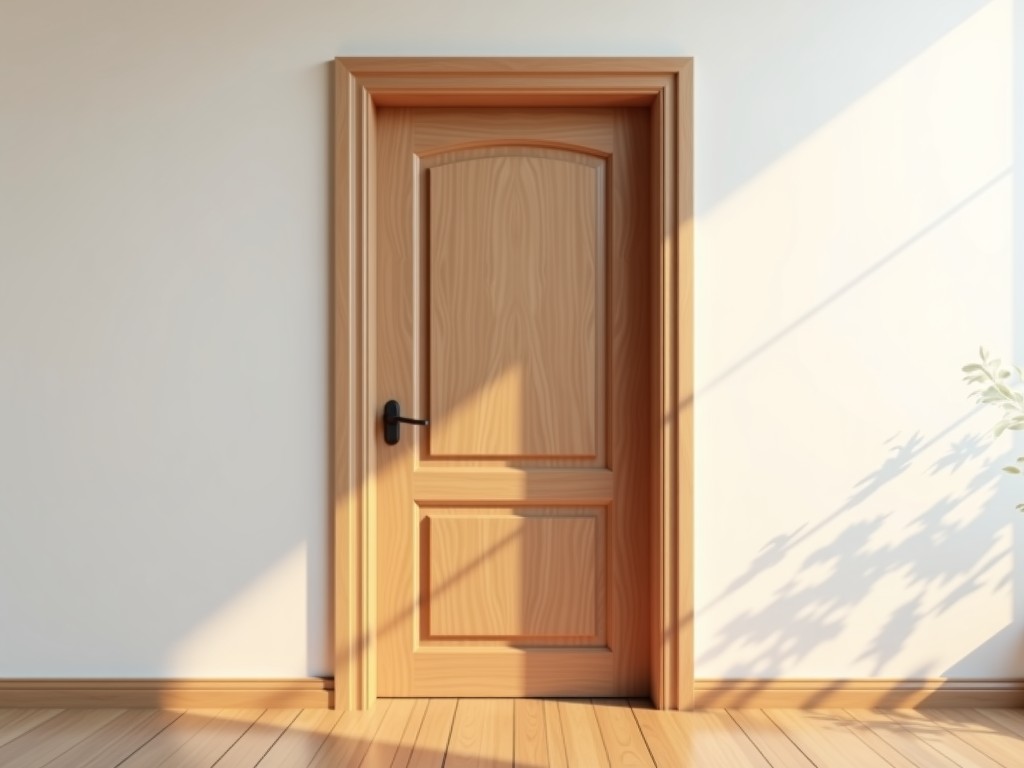
Hotel door frames in China are manufactured to meet the specific demands of hospitality environments where durability, aesthetic consistency, and compliance with fire safety and accessibility standards are critical. These frames are commonly used in guest rooms, suites, corridors, and public areas across mid-range to luxury hotel properties.
Industry Challenge in Hospitality Door Frame Applications
In high-traffic hotel environments, door frames experience constant mechanical stress from frequent use, impact from luggage carts, and exposure to cleaning agents and humidity fluctuations. Standard commercial frames may warp, corrode at the jamb, or fail to maintain proper door alignment over time, leading to air leakage, noise transmission, and compromised fire ratings. Procurement teams prioritize frames that maintain dimensional stability under cyclic loading and resist degradation in both dry and humid zones of a property.
Material Selection for Longevity and Performance
The most common materials used in China-produced hotel door frames are cold-rolled steel, galvanized steel, and stainless steel (grades 304 and 316), selected based on the door’s location and required performance. Cold-rolled steel with powder coating is typical for interior corridor doors where cost efficiency and paint adhesion matter. Galvanized steel is preferred in semi-exposed areas like service entrances or laundry zones due to its zinc barrier against moisture. Stainless steel frames are specified for bathrooms, pool areas, and coastal properties where chloride exposure and frequent sanitization increase corrosion risk.
Manufacturing Process and Dimensional Control
Hotel door frames are typically roll-formed from steel coil, then cut, punched, and welded or mechanically assembled into a three-sided profile (two jambs and a header). Critical tolerances include hinge reinforcement placement (±0.5mm), strike plate alignment, and overall squareness (<2mm diagonal deviation) to ensure smooth door operation and proper latching. Frames intended for fire-rated doors undergo additional stamping to accommodate intumescent seals and are assembled using fire-compatible fasteners. Surface preparation includes degreasing, phosphating, and either powder coating (60–80 micron thickness) or electro-galvanization before final finishing.
Typical Specifications for Hotel Door Frames
| Specification | Typical Range / Option | Notes |
|---|---|---|
| Material | Cold-rolled steel, Galvanized steel, SS304, SS316 | Selected per environmental exposure |
| Thickness | 1.0mm – 1.5mm | 1.2mm common for interior; 1.5mm for fire-rated |
| Profile Depth | 90mm – 120mm | Matches standard wall constructions |
| Hinge Preparation | 3 hinges (115mm spacing standard) | Custom spacing available per door weight |
| Fire Rating Compatibility | Up to 90 minutes | Requires intumescent seal groove and labeled hardware |
| Surface Finish | Powder coating (RAL colors), Galvanized, Brushed SS | Powder coat offers best color consistency and chip resistance |
Application Scenarios in Hotel Properties
In guest rooms, door frames are selected for acoustic performance and smooth operation, often paired with 40mm solid core or honeycomb doors to reduce hallway noise. Corridor-facing frames must maintain alignment despite differential swelling from HVAC cycling; therefore, galvannealed or stainless steel options are evaluated for long-term flatness. Service doors connecting to kitchens, laundry, or mechanical rooms require higher impact resistance and are frequently specified with reinforced hinge jambs and bumpers. Fire-rated frames are mandatory in stairwells, service corridors, and around elevator lobbies, where they must maintain integrity during a fire event to compartmentalize smoke and flame.
Customization and OEM Support
Manufacturers in China accommodate hotel-specific requirements such as custom strike plate locations for electronic locks, pre-drilled holes for door closer arms, and widened profiles to accommodate thick insulation or acoustic seals. Frames can be produced to match non-standard wall thicknesses in renovated properties or to align with historical architectural profiles in boutique hotels. Logistics considerations include knock-down (KD) packaging for efficient container loading, with corner protectors and moisture-barrier wrapping to prevent surface damage during transit. Sample frames are available for approval prior to tooling, allowing design teams to validate fit, finish, and hardware compatibility.
Quality Control and Supply Consistency
Production quality is monitored through incoming material certification (coil thickness, zinc weight, alloy content), in-process dimensional checks using calibrated fixtures, and final inspection of squaring, finish uniformity, and hardware fit. Packaging is designed to prevent bending and scraping, with frames stacked horizontally on pallets and separated by corrugated dividers. Lead times typically range from 2–4 weeks for standard configurations and 4–6 weeks for customized tooling, depending on material availability and order volume. For repeat orders, manufacturers maintain batch traceability to ensure consistency across multiple project phases or property rollouts.
To initiate a quotation or discuss technical requirements for your hotel project, provide your door schedule, wall construction details, hardware specifications, and any fire or acoustic performance criteria. Our engineering team will review your inputs and return a detailed proposal including material recommendations, tolerances, packaging options, and estimated lead time.