China Hotel Fire Rated Door
China Hotel Fire Rated Door
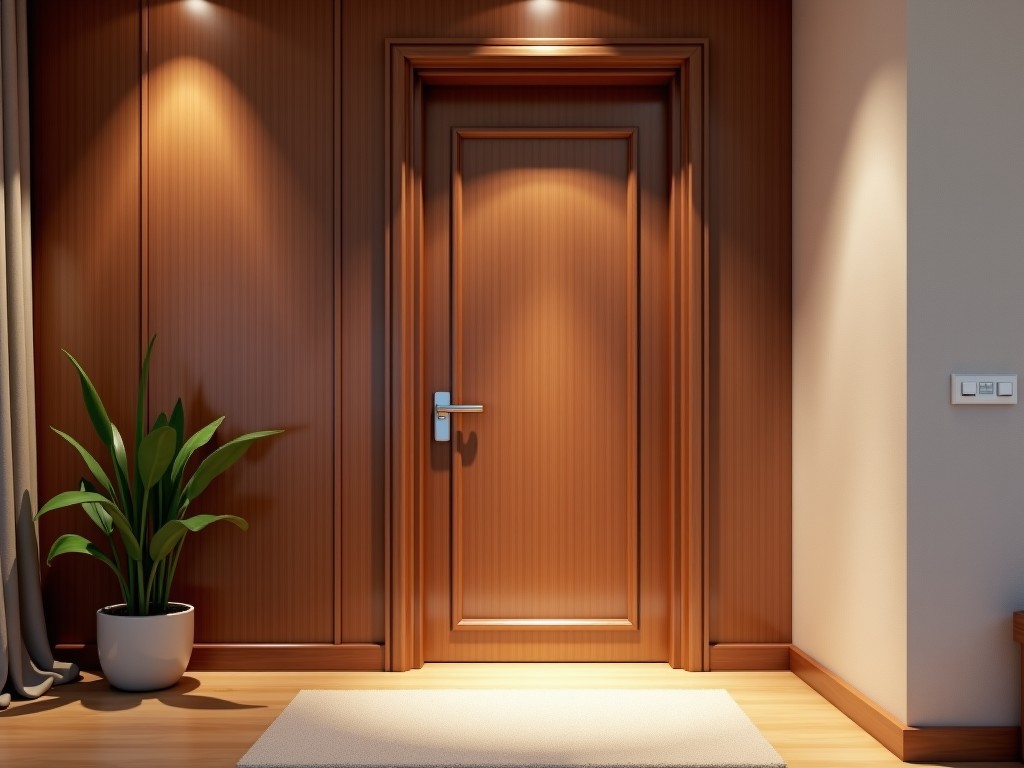
China Hotel Fire Rated Door: Engineering Solutions for Hospitality Safety Compliance
Fire safety in hospitality environments demands precision-engineered solutions that balance regulatory compliance with operational durability. Hotel fire rated doors manufactured in China address critical life-safety requirements while meeting the stringent performance expectations of international hotel chains, renovation contractors, and facility managers. These doors are not generic fire barriers—they are purpose-built assemblies designed to maintain compartmentalization during fire events, protecting evacuation routes and limiting flame spread in high-occupancy spaces such as guestroom corridors, lobby areas, stairwells, and mechanical rooms.
The core function of a fire rated door extends beyond simple flame resistance. It must maintain structural integrity under thermal stress, prevent smoke transmission through sealing systems, and operate reliably after years of daily use in high-traffic environments. Procurement teams evaluating these products focus on verified fire resistance ratings (typically 30, 60, 90, or 120 minutes), smoke control performance (measured in m³/m·h at 25 Pa pressure differential), cycle endurance, and compatibility with door hardware standards such as EN 1154, EN 1155, and UL 10C. Material selection, frame construction, and intumescent seal technology directly influence long-term performance and maintenance requirements.
Material Selection and Construction Logic for Hospitality Applications
Unlike residential or light commercial fire doors, hotel installations require materials that withstand constant use, cleaning agents, and varying humidity levels without compromising fire performance. The door leaf typically consists of a mineral core—such as calcium silicate or vermiculite board—encased in steel faces or high-pressure laminate (HPL) overlays. Steel faces (usually 0.8–1.2 mm cold-rolled steel) provide impact resistance and dimensional stability, while mineral cores deliver low thermal conductivity and non-combustible properties essential for maintaining fire resistance ratings. The core material’s density and moisture resistance are critical factors; excessive moisture absorption can degrade insulating properties over time, particularly in tropical or coastal hotel environments.
Frames are commonly fabricated from 1.2–1.5 mm galvanized steel or stainless steel (Grade 304 for corrosive environments), formed with double-return profiles to enhance rigidity and provide adequate anchorage for fire-rated hinges and strikes. The frame-to-wall interface uses fire-resistant sealants and mineral wool backing to prevent flame bypass. Intumescent seals, typically installed around the perimeter of the door leaf or within the frame rebate, expand at temperatures exceeding 150°C to seal gaps that would otherwise allow smoke and hot gases to pass. The expansion pressure and activation temperature are carefully calibrated to avoid interfering with normal door operation while ensuring effective sealing during a fire event.
Performance Advantages Engineered for Hotel Operations
Hotel fire rated doors must endure significantly higher cycle counts than standard commercial doors—often exceeding 250,000 operations annually in busy corridors. This necessitates specific engineering considerations in hinge selection, latch mechanisms, and surface finishes. Heavy-duty ball-bearing hinges (typically Grade 13 per EN 1935) are specified to handle the weight of fire-rated assemblies (often 45–75 kg depending on size and rating) without sagging over time. Latch bolts are designed for low operating force (<25 N) to meet accessibility requirements while maintaining positive latching under pressure differentials. Surface finishes such as powder coating (60–80 µm thickness) or HPL laminates resist scratches, cleaning chemicals, and UV fading, preserving both appearance and fire performance throughout the product lifecycle.
Acoustic performance is another frequently overlooked requirement in hotel applications. Fire rated doors serving guestroom corridors often need to achieve STC ratings of 35–45 dB to ensure privacy and noise control. This is achieved through core density optimization, perimeter sealing effectiveness, and threshold design—without compromising the fire rating. Manufacturers adjust core composition and sealing systems to balance fire resistance, smoke control, and sound transmission loss, recognizing that hotel guests expect both safety and comfort.
Typical Specifications and Dimensional Flexibility
| Parameter | Typical Range / Option | Notes |
|---|---|---|
| Fire Resistance Rating | E30, E60, E90, E120 (EN 1634-1) | Customizable based on local code requirements |
| Smoke Leakage (at 25 Pa) | <3.0 m³/m·h (EN 1634-3) | Critical for corridor and stairwell applications |
| Door Leaf Thickness | 40–54 mm | Varies with rating and core material |
| Frame Depth | 90–120 mm | Accommodates wall thickness and hardware |
| Maximum Leaf Size | 1200 × 2500 mm (single leaf) | Larger sizes available as double-leaf assemblies |
| Surface Finish Options | Powder coat (RAL colors), HPL, stainless steel cladding | Selected based on aesthetic and environmental demands |
| Hardware Compatibility | EN 1154, EN 1155, UL 10C, ANSI/BHMA A156.19 | Ensures global hardware interchangeability |
Dimensional tolerances are tightly controlled to ensure proper fit within fire-rated frames and compliance with installation standards. Vertical and horizontal squareness is maintained within ±1.5 mm over the full leaf height, while warpage is limited to <0.3% of leaf width or height. These tolerances prevent binding, ensure consistent seal compression, and maintain the integrity of the fire barrier under thermal expansion. Custom sizes are available upon request, though non-standard dimensions may affect tooling requirements and lead times—particularly for fire-rated assemblies where core cutting and face lamination processes require precise alignment.
Application Scenarios in Hotel Environments
In guestroom corridors, fire rated doors serve as critical components of horizontal escape routes, requiring both fire resistance and smoke control to maintain tenable conditions during evacuation. These doors are typically rated E60 or E90, with automatic closing devices and smoke seals to prevent lobby or stairwell contamination. The aesthetic finish must align with interior design schemes—often achieved through wood-grain HPL or custom powder coat colors—without sacrificing performance. Edge protection and kick plates are commonly specified to withstand luggage carts and housekeeping equipment impacts.
Stairwell pressurization systems depend on fire rated doors maintaining minimal leakage under positive pressure differentials. Here, E90 or E120 ratings are common, paired with low-leakage perimeter seals and threshold designs that allow unimpeded movement while preserving compartmentalization. Doors serving mechanical rooms, electrical closets, or laundry facilities often prioritize impact resistance and corrosion resistance, utilizing galvanized or stainless steel faces with reinforced edges to withstand carts, trolleys, and cleaning chemical exposure.
Lobby and public area doors may require higher aesthetic flexibility, incorporating fire-rated glass vision panels (up to 100×100 mm per EN 1634-1) for visibility while maintaining E30 or E60 ratings. These assemblies use fire-resistant glazing compounds and steel bead systems to prevent glass detachment during fire exposure. The integration of access control systems, electromagnetic holders, and delayed egress locks is routinely accommodated without invalidating the fire rating, provided all components are listed for use in fire door assemblies.
Customization Options and OEM Considerations
Hotel projects frequently require non-standard dimensions, custom finishes, or integrated hardware solutions that go beyond catalog offerings. Chinese manufacturers accommodate these requests through flexible tooling and in-house fabrication capabilities. Customization begins with detailed shop drawings or BIM models, which are reviewed for fire compliance implications—particularly regarding seal placement, hardware reinforcement, and frame anchorage. Changes to leaf size, core thickness, or frame profile may require re-evaluation of the fire rating, which is addressed through either engineering judgment based on established test data or submission for additional fire testing if the deviation falls outside established equivalence rules.
Finish customization includes RAL-matched powder coats, wood-grain or solid-color HPL laminates, and brushed or polished stainless steel cladding. These options allow doors to blend with interior themes while maintaining fire performance. Hardware integration—such as electronic locks, panic bars, or door coordinators—is facilitated through pre-machined preparations and reinforcement plates, ensuring that field modifications do not compromise the fire barrier. For OEM buyers, private labeling and customized packaging (including corner protection, moisture barriers, and palletization) are available to support global supply chains.
Quality Control, Testing, and Supply Stability
Consistent performance begins with rigorous incoming material inspection. Steel thickness and coating weight are verified using magnetic gauges and weigh-back methods; mineral core density and moisture content are checked via sampling and oven-dry testing. During production, dimensional checks occur at multiple stages—after core cutting, face lamination, and frame assembly—to detect deviations early. Final inspection includes operational testing (closing force, latch engagement), visual assessment of seals and finishes, and verification of label accuracy. Fire resistance ratings are not assumed; they are grounded in either third-party test reports or established equivalence to previously tested assemblies, following EN 1634-1 or UL 10C principles.
Packaging is designed to protect edges, faces, and hardware preparations during transit. Doors are typically wrapped in polyethylene film, corner-protected with cardboard or plastic guards, and stacked horizontally on pallets with intermediate separators to prevent surface abrasion. For export shipments, moisture-barrier wrapping and phytosanitary-compliant pallets are standard. Lead times vary based on complexity—standard configurations often ship within 2–4 weeks, while customized orders involving special finishes or hardware integrations may require 6–8 weeks, including time for drawing approval and production scheduling.
Supply stability is supported by established raw material sourcing—particularly for galvanized steel, mineral cores, and intumescent seals—and scalable production lines capable of handling both volume orders and project-based customization. Manufacturers maintain safety stock of critical components to buffer against short-term disruptions, and production scheduling is adjusted based on order backlog and lead time visibility. For long-term hospitality contracts, frame and leaf designs are often standardized across projects to simplify spare parts management and ensure consistent performance across multiple properties.
Selection Guide for Procurement and Engineering Teams
Evaluating fire rated doors for hotel applications requires moving beyond basic rating numbers to assess real-world performance factors. Begin by confirming the required fire and smoke performance based on local building codes and hotel brand standards—do not assume E60 is sufficient for all corridor applications; stairwells and hazardous areas may demand higher ratings. Request test reports that include not only fire resistance but also smoke leakage measurements at the specified pressure differential, as this directly impacts evacuation safety. Verify that the door assembly includes all necessary components (frame, seals, hinges, latch) listed in the test report, as missing elements can invalidate the rating.
Assess the door’s suitability for the installation environment: high-humidity areas benefit from stainless steel frames or galvanized coatings with extra zinc weight; high-traffic corridors necessitate heavy-duty hinges and scratch-resistant finishes; areas requiring acoustic privacy need doors with proven STC performance. Inquire about the manufacturer’s quality control process—specifically how they verify core density, seal compression, and dimensional tolerances—and whether they offer factory witness testing or third-party verification for critical projects. Finally, consider lifecycle factors: ease of maintenance, availability of spare parts, and compatibility with standard hotel hardware systems reduce long-term ownership costs and service complexity.
Common Missteps in Specification and Installation
One frequent error is selecting a door based solely on its fire rating label without verifying smoke performance. A door that passes E60 fire resistance but exhibits high smoke leakage fails to protect escape routes effectively—smoke inhalation remains the leading cause of fire-related fatalities. Another common issue involves using non-fire-rated hardware (such as standard hinges or locks) under the assumption that the door leaf alone provides sufficient protection. Fire door assemblies are systems; every component must be listed for use in fire-rated applications. Similarly, field modifications such as undercutting for flooring or adding kick plates without reinforcing the bottom rail can compromise the seal system and reduce fire resistance.
Improper installation practices also undermine performance. Frames not securely anchored to surrounding construction allow movement during fire exposure, creating gaps that defeat the seal system. Inadequate shimming results in binding or uneven seal compression, while excessive clearance between door and frame exceeds the design limits of intumescent seals. Using non-fire-resistant sealant at the frame-to-wall interface creates a weak point where flames can bypass the assembly. Procurement teams should ensure that installation instructions are followed precisely and that installers are trained in fire door-specific requirements—particularly regarding seal engagement, closing speed, and latch projection.
Packaging, Logistics, and Delivery Considerations
Fire rated doors are sensitive to edge damage and surface abrasion, which can affect both appearance and seal integrity. Packaging systems address this through multiple layers: a protective polyethylene film shields the face from scratches and moisture, while molded cardboard or plastic corner guards absorb impact during handling. Doors are stacked horizontally on pallets—never vertically—to prevent warpage, with interleaving sheets between leaves to prevent surface-to-surface contact. For export, pallets are typically fumigated or heat-treated to meet ISPM 15 requirements, and stretch wrapping secures the load during transit. Moisture indicator cards may be included inside the wrapping to detect any exposure to humidity during shipment, particularly important for mineral core materials.
Delivery coordination benefits from advance notice of site access limitations, elevator capacity, and floor protection requirements. Given the weight of fire-rated assemblies (often 50–80 kg per leaf), mechanical handling equipment such as pallet jacks or lift gates is frequently required. Some suppliers offer just-in-time delivery sequencing for multi-phase hotel renovations, aligning shipments with installation schedules to minimize on-site storage needs. Clear labeling on each package—indicating size, rating, handing, and destination room number—reduces handling errors and accelerates site logistics.
Maintenance and Long-Term Performance
Fire rated doors require periodic inspection to ensure ongoing compliance—not because they degrade quickly, but because environmental factors and usage can compromise critical functions over time. Hinges should be checked annually for wear and lubricated with high-temperature grease if needed; latch bolts must operate smoothly and fully engage the strike plate; closing devices (whether overhead closers or floor springs) need adjustment to maintain proper closing speed and latch projection. Intumescent seals, while durable, can accumulate dust or paint over repeated cycles—inspect them for continuity and flexibility, and clean with mild detergent if contaminated. Any signs of corrosion, dents exceeding 1 mm depth, or frame distortion should be addressed promptly, as these can compromise the fire barrier.
Unlike consumer products, fire door maintenance is not about preserving aesthetics—it’s about verifying that the life-safety system remains intact. Many hotel chains integrate fire door inspections into their preventive maintenance schedules, checking alignment, seal condition, and hardware function during quarterly or biannual rounds. Spare parts such as hinges, latches, and seals are typically standardized and available from the original manufacturer or authorized distributors, ensuring compatibility and preserving the assembly’s fire rating. Documenting these inspections supports compliance audits and demonstrates due diligence in life-safety management.
Ready to Discuss Your Hotel Fire Door Requirements?
Selecting the correct fire rated door for hotel applications involves balancing code compliance, operational durability, aesthetic integration, and long-term maintainability. Our engineering team works directly with hotel developers, renovation contractors, and procurement specialists to specify assemblies that meet both safety requirements and project-specific constraints—whether it’s coordinating with interior designers on finish selections, adapting to unusual wall thicknesses, or ensuring compatibility with existing access control systems.
Share your project drawings, schedule, or performance specifications for a detailed technical review and customized proposal. We provide clear documentation on fire ratings, smoke performance, material composition, and installation requirements to support confident decision-making at every stage—from design development to final inspection and handover.
Discuss your project requirements with our engineering team.