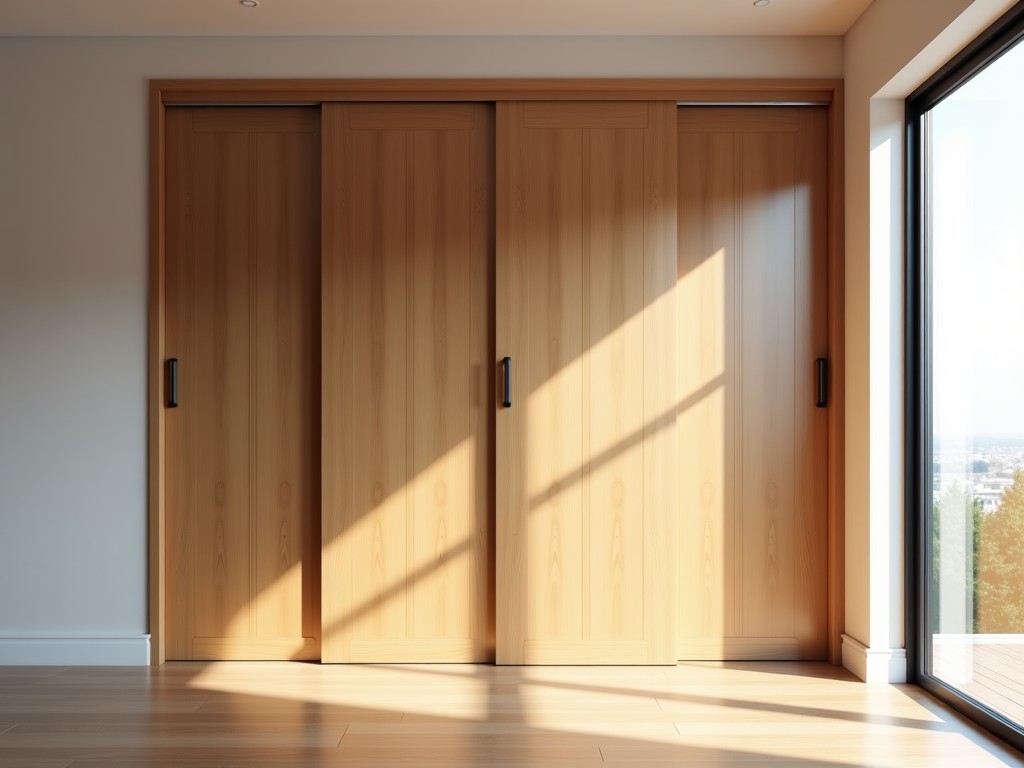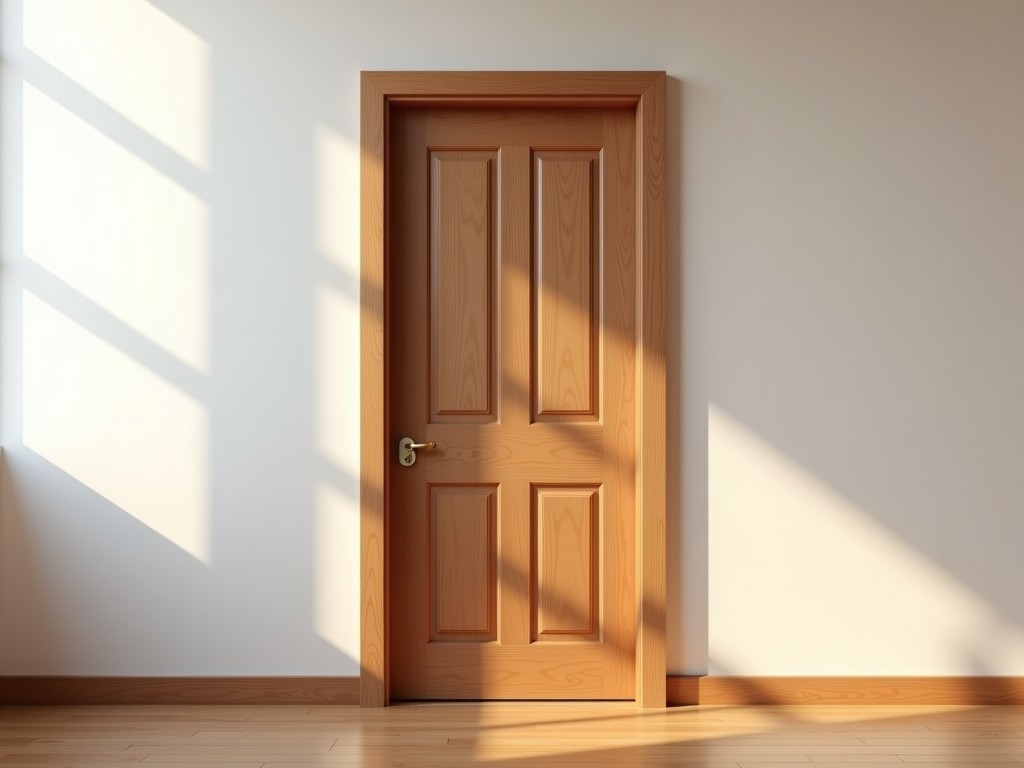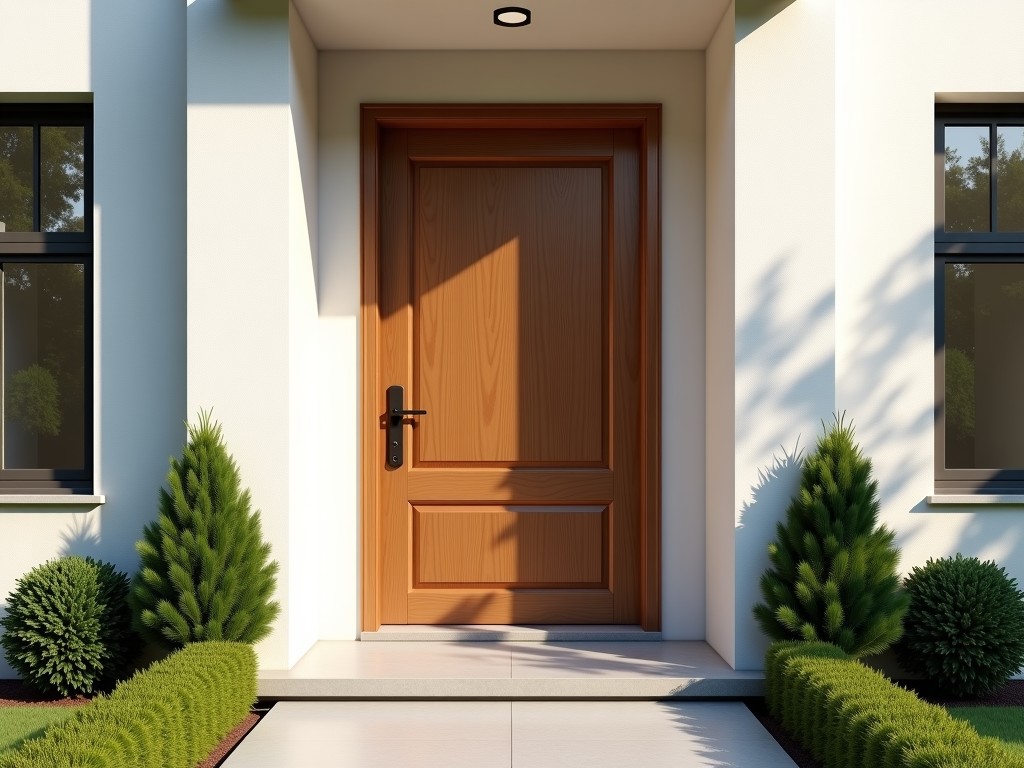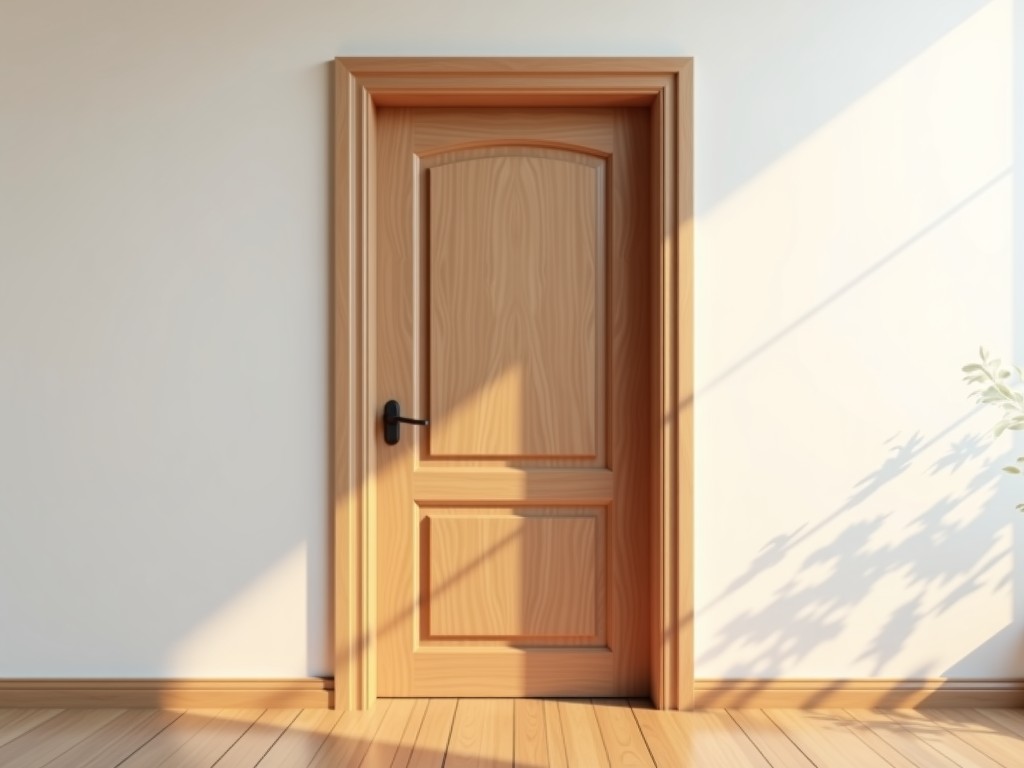
China Interior Door Panel Factory
China Interior Door Panel Factory
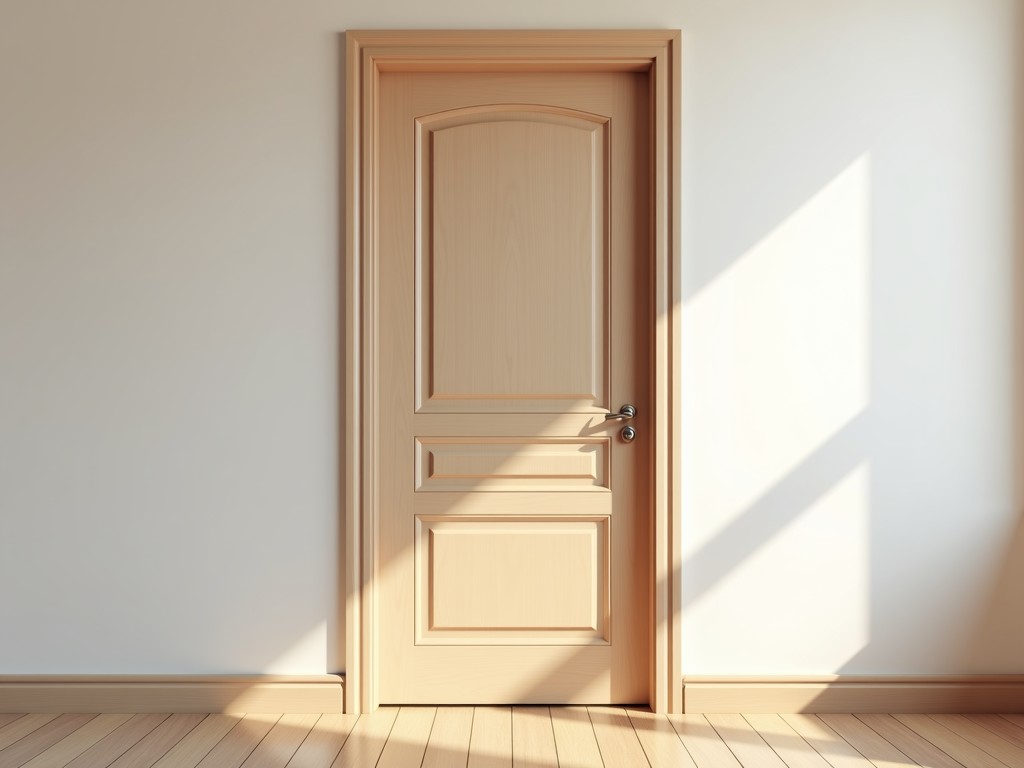
Interior Door Panel: Engineering Considerations for Industrial and Commercial Applications
Interior door panels serve as critical components in architectural systems where dimensional stability, surface integrity, and long-term performance under repeated cycling are essential. Unlike consumer-grade alternatives, industrial interior door panels are specified for environments requiring consistent tolerances, resistance to wear from high-frequency operation, and compatibility with automated assembly lines or modular construction workflows.
Material selection directly influences performance characteristics such as weight, acoustic damping, fire resistance, and resistance to moisture-induced swelling. Common substrates include medium-density fiberboard (MDF), particleboard with melamine facing, and engineered wood composites, each chosen based on the specific demands of the installation environment—whether in healthcare facilities, educational institutions, or high-traffic commercial buildings.
Surface finishes are not merely aesthetic; they affect cleanability, scratch resistance, and adherence to hygiene standards. Options range from low-pressure laminates (LPL) to high-pressure laminates (HPL), veneers, and paint-grade surfaces, with thickness tolerances typically held within ±0.5 mm to ensure proper fit within door frames and hardware alignment.
Material Selection and Substrate Performance
The core material determines how the panel responds to environmental stressors. MDF offers uniform density and excellent machinability for routing and edge profiling, making it suitable for complex profiles and consistent screw retention. Particleboard provides cost efficiency in high-volume applications where extreme mechanical loads are not anticipated, though it requires proper edge sealing to prevent moisture ingress.
In environments with fluctuating humidity—such as laundries, kitchens, or coastal regions—moisture-resistant (MR) grade substrates are often specified. These incorporate resins that reduce thickness swell and maintain dimensional stability over time, reducing the risk of delamination or warping that could interfere with door operation.
Fire-rated applications may require panels with certified core additives that meet specific flame spread and smoke development indices. These modifications are critical in stairwells, corridors, and institutional buildings where compliance with local fire codes is non-negotiable.
Surface Finish and Durability Factors
The surface layer protects the substrate and defines the panel’s interaction with cleaning agents, impacts, and UV exposure. High-pressure laminates (HPL) consist of multiple layers of kraft paper impregnated with phenolic resin, topped with a decorative layer and melamine overlay, cured under high heat and pressure. This results in a surface highly resistant to abrasion, staining, and impact—ideal for areas subjected to cart traffic or frequent cleaning.
Low-pressure laminates (LPL), while thinner and less durable than HPL, offer adequate performance in low- to moderate-traffic zones and are often selected for cost-sensitive projects. Veneer finishes provide a natural wood appearance but require careful handling during installation and may need periodic refinishing in high-wear areas.
Edge sealing is a critical but often overlooked detail. Unsealed edges are susceptible to moisture absorption, leading to swelling and adhesive failure. Common edge treatments include PVC edging, ABS, or laser-matched edgebands that provide a seamless bond and long-term protection against environmental ingress.
Typical Specifications and Tolerance Control
| Parameter | Typical Range | Notes |
|---|---|---|
| Thickness | 16 mm – 25 mm | Selected based on door weight and hardware requirements |
| Length | Up to 2400 mm | Custom lengths available; longer panels may require mid-span supports |
| Width | Up to 900 mm | Limited by pressing equipment and material handling constraints |
| Thickness Tolerance | ±0.5 mm | Ensures consistent fit in frames and hardware alignment |
| Surface Flatness | ≤0.3 mm/m | Prevents telegraphing and ensures uniform appearance |
| Edge Straightness | ≤0.2 mm/m | Critical for seamless jointing and edgeband adhesion |
Tolerances are maintained through calibrated pressing equipment, conditioned raw material storage, and real-time thickness monitoring during production. Variations beyond these ranges can lead to misalignment, binding, or uneven reveal lines—issues that increase field service calls and reduce perceived quality.
Surface flatness is particularly important in applications where panels are joined side-by-side or where reflective finishes are used, as even minor deviations become visually apparent under direct lighting.
Manufacturing Process and Quality Control
Production begins with substrate preparation, where panels are cut to size and edges are routed or scored for edgebanding. The surface material—whether laminate, veneer, or primer-coated—is then applied using either cold press or hot press systems, depending on the adhesive and material type. Hot pressing activates thermosetting resins, creating a durable bond resistant to delamination under thermal cycling.
After lamination, panels undergo cooling under pressure to prevent springback, followed by trimming to final dimensions. Each panel is inspected for surface defects, edge integrity, and dimensional accuracy before packaging. Sampling protocols typically include checks for adhesion strength, surface abrasion resistance, and moisture content—especially for MR-grade materials.
Quality control is not limited to final inspection. Incoming raw materials are tested for density, moisture content, and formaldehyde emissions (where applicable), ensuring consistency across batches. This upstream control minimizes variability in the final product and supports predictable performance in installed applications.
Application Scenarios and Industry Fit
In healthcare facilities, interior door panels are specified for their ability to withstand frequent cleaning with disinfectants without surface degradation. Smooth, non-porous finishes prevent microbial harborage and support infection control protocols. The dimensional stability of MR-grade substrates ensures doors remain aligned in environments with regular steam exposure from sterilizers or hydrotherapy units.
Educational institutions benefit from impact-resistant surfaces that endure constant use by students and staff. HPL-faced panels resist scratches from backpacks, scuffs from furniture, and graffiti attempts, maintaining appearance over years of service. Acoustic properties of the core material also contribute to noise reduction between classrooms and corridors.
In modular construction and prefabricated wall systems, interior door panels are integrated into factory-assembled units where tight tolerances are essential for on-site fit. Consistency in thickness and flatness ensures that doors swing freely within pre-installed frames, reducing adjustment time during installation and minimizing callbacks.
Customization Options and OEM Considerations
Customization extends beyond dimensions to include surface design, edge treatment, and core modification. OEM clients often require specific fire ratings, acoustic performance levels, or antimicrobial surface treatments—particularly in healthcare and food processing environments. These specifications are addressed through material selection and process adjustments rather than post-production modifications.
Tooling implications vary with complexity. Simple size changes require minimal adjustment, while custom profiles, routed panels, or non-standard edgebands may necessitate new fixtures or programming changes. Lead times reflect these variables, with standard configurations typically available faster than highly customized solutions.
Packaging is designed to protect surfaces and edges during transit. Panels are stacked with interleaving sheets of kraft paper or polyethylene film, secured with corner protectors and stretch wrap. For export shipments, additional moisture barriers and pallet stabilization are used to prevent damage from humidity shifts and handling.
To initiate a custom inquiry, clients are encouraged to provide detailed drawings, material preferences, performance requirements, and expected annual volumes. This enables accurate quoting, tooling assessment, and production planning aligned with project timelines.
Share your drawings or specifications for a customized proposal.