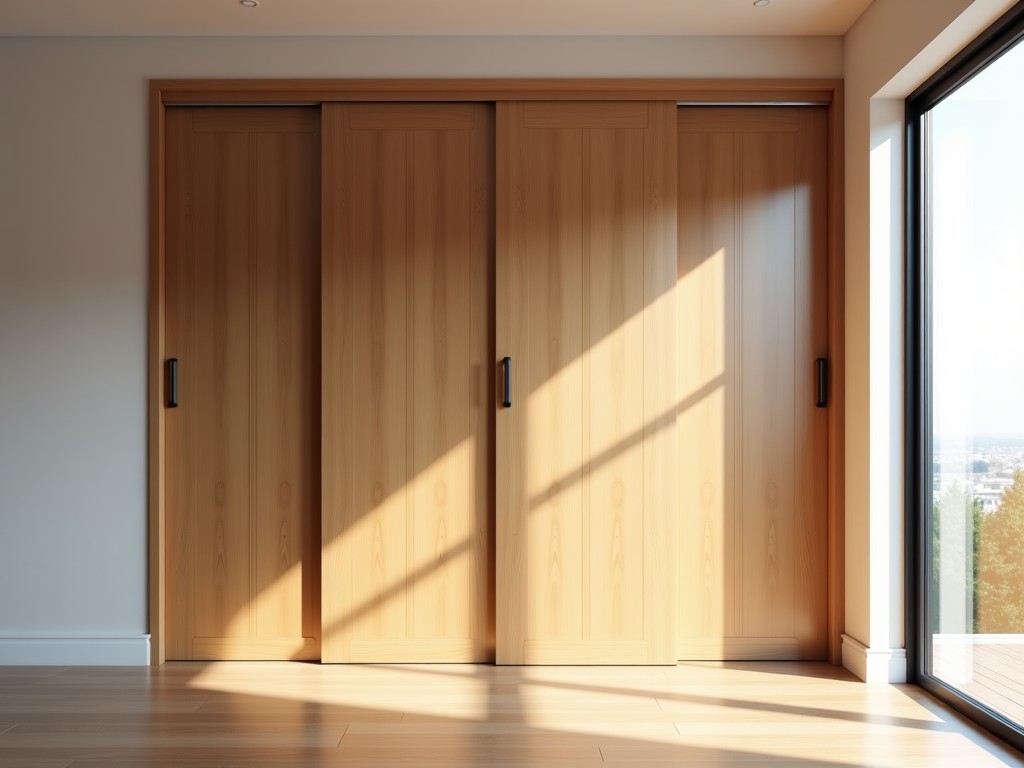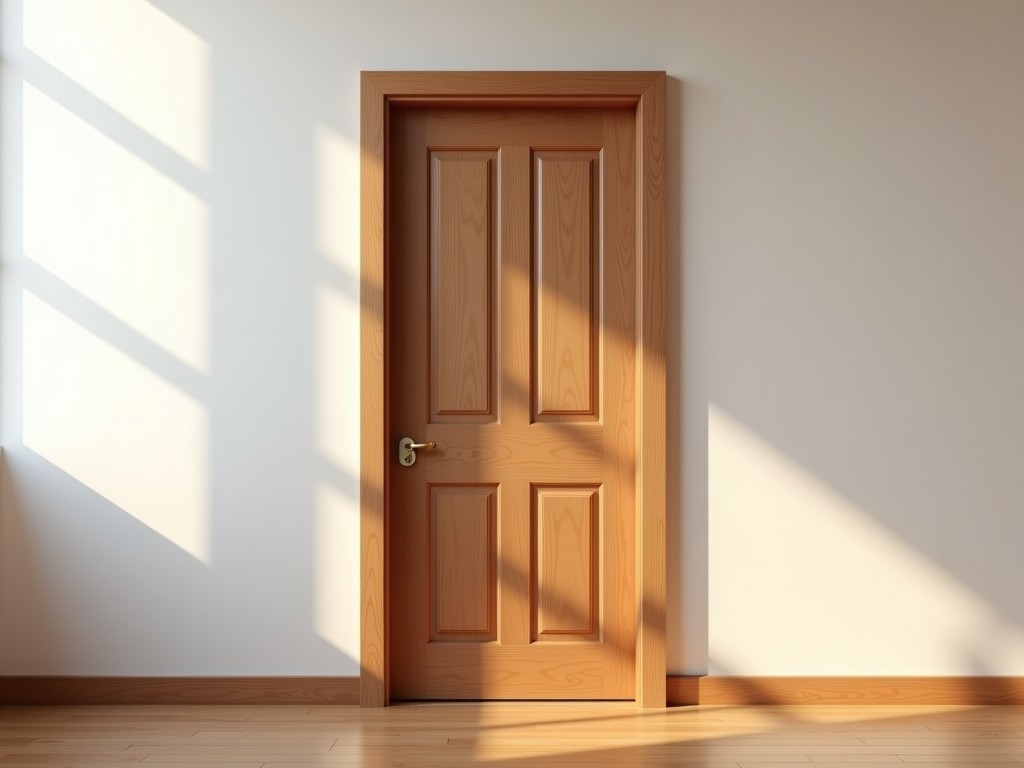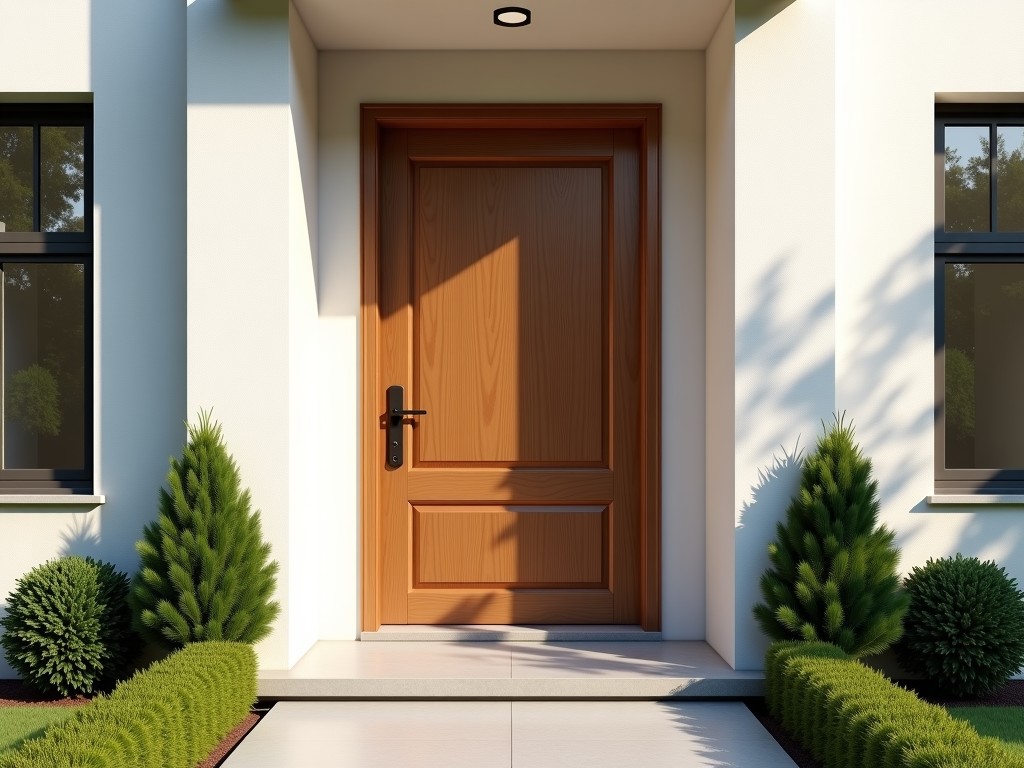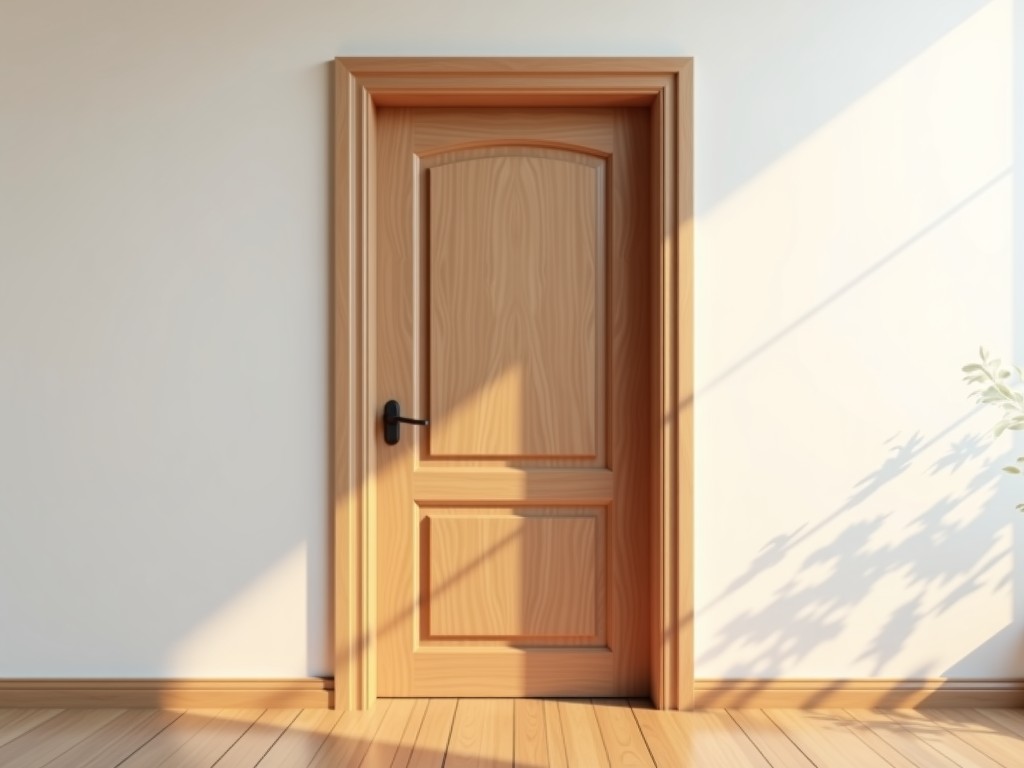
Custom Eco Friendly Interior Door
Custom Eco Friendly Interior Door
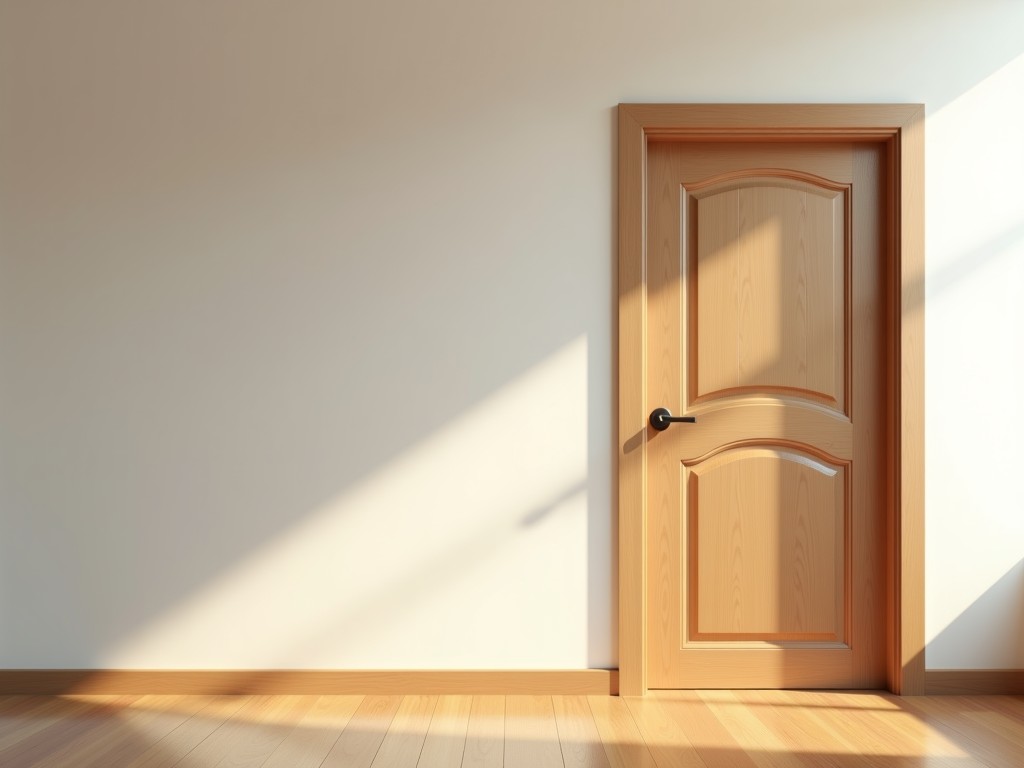
Eco Friendly Interior Door: Sustainable Materials and Performance for Commercial Interiors
Interior doors in commercial and institutional buildings are subject to frequent use, varying humidity levels, and strict indoor air quality requirements. Selecting a door that balances environmental responsibility with long-term durability requires understanding material composition, manufacturing processes, and performance characteristics that contribute to both sustainability goals and functional longevity.
Material Selection for Reduced Environmental Impact
The core of an eco friendly interior door typically combines rapidly renewable or recycled materials with low-emitting adhesives and finishes. Common constructions include:
- Particleboard or medium-density fiberboard (MDF) cores made from post-industrial wood waste or agricultural residues such as wheat straw or rice husks.
- Facings of sustainably harvested hardwood veneers, bamboo, or recycled wood fibers bonded with urea-formaldehyde-free resins.
- Edge bands and laminates derived from recycled PVC or bio-based polymers designed to off-gas minimal volatile organic compounds (VOCs).
These material choices reduce reliance on virgin timber while maintaining dimensional stability and surface integrity under normal interior conditions. The adhesives used are often soy-based or polyvinyl acetate (PVA) formulations that meet CARB Phase 2 and EPA TSCA Title VI compliance for formaldehyde emissions.
Manufacturing Process and Quality Consistency
Production typically involves hot pressing the core material under controlled temperature and pressure to achieve uniform density, generally targeting 600–750 kg/m³ for particleboard cores and 700–800 kg/m³ for MDF. This density range ensures sufficient screw holding strength for hardware while minimizing warping tendency.
After pressing, panels are sanded to precise thickness tolerances—commonly ±0.2 mm for standard 35 mm or 40 mm door thicknesses—before applying decorative overlays. Veneer or laminate application uses cold or hot press methods with even adhesive distribution to prevent delamination, a critical factor in high-cycle environments.
Edge sealing is performed using extrusion or hot-air activation methods to encapsulate the core edges, which helps resist moisture ingress at vulnerable points. This step is especially important in restrooms, kitchens, or areas with periodic cleaning where humidity fluctuations occur.
Performance Characteristics Relevant to Procurement
Beyond material sourcing, buyers evaluate how the door performs in service. Key performance indicators include:
- Impact resistance: Surface durability tested per ANSI/BHMA A156.2 for light commercial use, typically withstanding 50–75 ft-lbs of impact without visible damage.
- Dimensional stability: Measured as resistance to swelling and shrinking under 50% RH cycling; high-quality eco cores show less than 0.5% thickness change over 24 hours.
- Fire rating options: Available with 20-minute or 45-minute ratings when constructed with mineral-filled cores or fire-retardant-treated facings, compliant with NFPA 80 and IBC standards.
- Acoustic performance: Sound Transmission Class (STC) ratings ranging from 28 to 32 for solid core constructions, suitable for offices, classrooms, and healthcare corridors.
These values are influenced by core density, facing bond quality, and edge sealing effectiveness—factors directly tied to manufacturing precision rather than material alone.
Typical Specifications and Configuration Options
| Specification | Typical Range / Options |
|---|---|
| Door Thickness | 35 mm, 40 mm, 45 mm |
| Core Material | Particleboard (recycled wood), MDF (wood fiber), agrifiber (straw/husk) |
| Facing Options | Hardwood veneer, bamboo, HPL, melamine, painted MDF |
| Edge Band | PVC, ABS, wood veneer, bio-based polymer |
| Fire Rating | Non-rated, 20-minute, 45-minute (upon request) |
| Finish | Prefinished (UV-cured), primed for field painting, laminate |
| Standard Sizes | 2032 x 813 mm, 2032 x 914 mm, custom heights up to 2400 mm |
All dimensions and performance ratings are subject to validation per project requirements. Custom sizes, core formulations, and facing materials are available depending on order volume and tooling constraints.
Applications in Sustainable Building Projects
Eco friendly interior doors are commonly specified in projects pursuing LEED, WELL, or BREEAM certification due to their contribution to:
- Materials and Resources credits through recycled content and regional material sourcing.
- Indoor Environmental Quality by minimizing formaldehyde and VOC emissions.
- Life-cycle assessment improvements when designed for disassembly or end-of-life recycling.
Typical installations include office interiors, school classrooms, hospital administrative areas, and hotel guest corridors—environments where durability, low maintenance, and occupant health are prioritized alongside environmental goals.
Unlike solid wood doors that may require periodic refinishing or are susceptible to seasonal movement, these engineered constructions offer consistent performance with minimal upkeep, reducing lifecycle costs over a 15–25 year service expectation in controlled interior environments.
Customization and Supply Considerations
Manufacturers typically accommodate custom requests for:
- Non-standard widths and heights for architectural openings.
- Special facings such as digital prints, acoustic perforations, or antimicrobial overlays.
- Reinforced cores for high-traffic zones or integrated smart hardware preparations.
Minimum order quantities vary based on material availability and pressing tooling; prototyping samples are generally available upon request with lead times of 2–4 weeks for standard configurations. Production lead times for bulk orders range from 4 to 8 weeks, depending on finish complexity and destination logistics.
Packaging is designed for export protection, using corner guards, edge straps, and moisture-resistant wraps suitable for containerized shipping. Each unit is labeled with batch traceability for quality tracking.
Quality Control and Testing
In-line checks include core density measurement, adhesive spread rate verification, and dimensional inspection after pressing. Final audits assess face adhesion, edge seal integrity, surface finish uniformity, and hardware hole alignment.
Representative samples undergo off-line testing for formaldehyde emission (ASTM D5116), surface abrasion (ASTM D4060), and humidity resistance (ASTM D1037). Results are available as part of technical documentation packages upon request.
These procedures help ensure batch-to-batch consistency, a critical factor for distributors and OEMs supplying multi-phase projects where replacement matching is required.
Selecting an eco friendly interior door involves evaluating how material choices, manufacturing controls, and performance data align with project sustainability targets and operational demands. Reviewing technical specifications, requesting material safety data sheets, and confirming compliance with regional indoor air quality standards are recommended steps in the specification process.
Share your drawings or specifications for a customized proposal