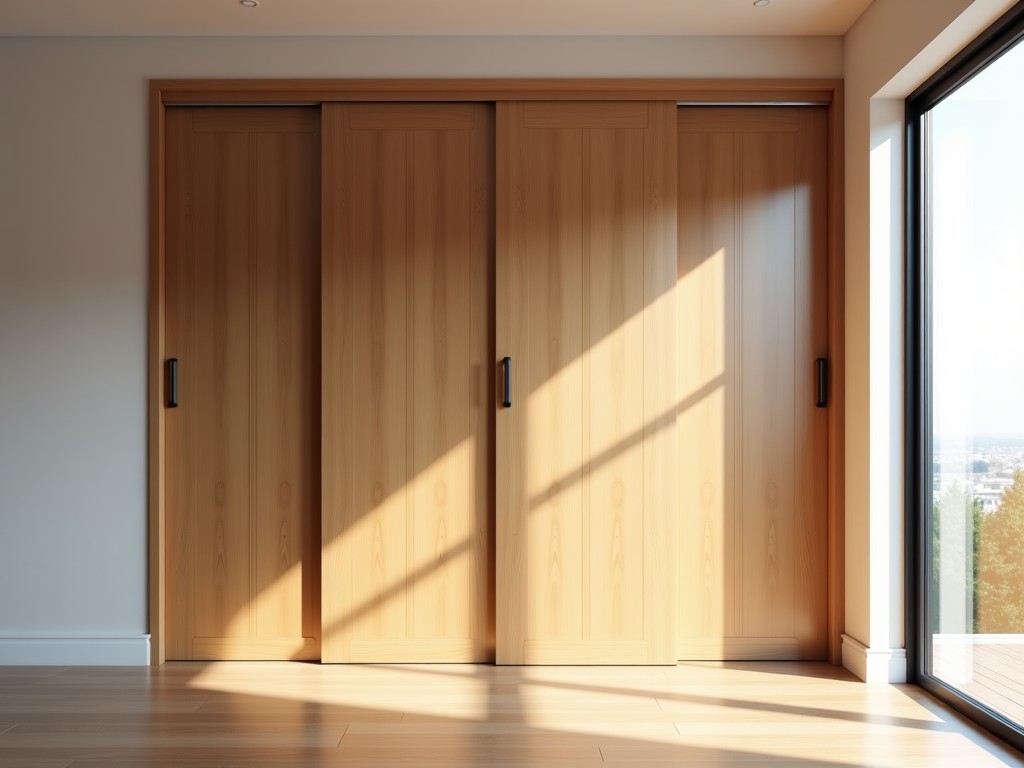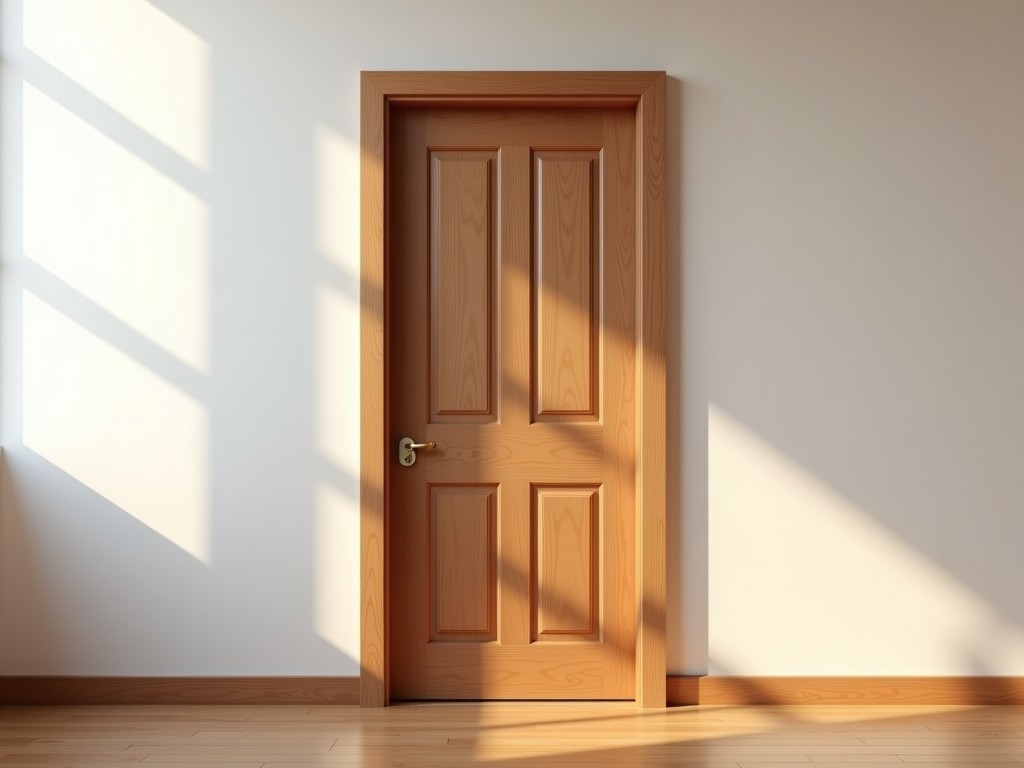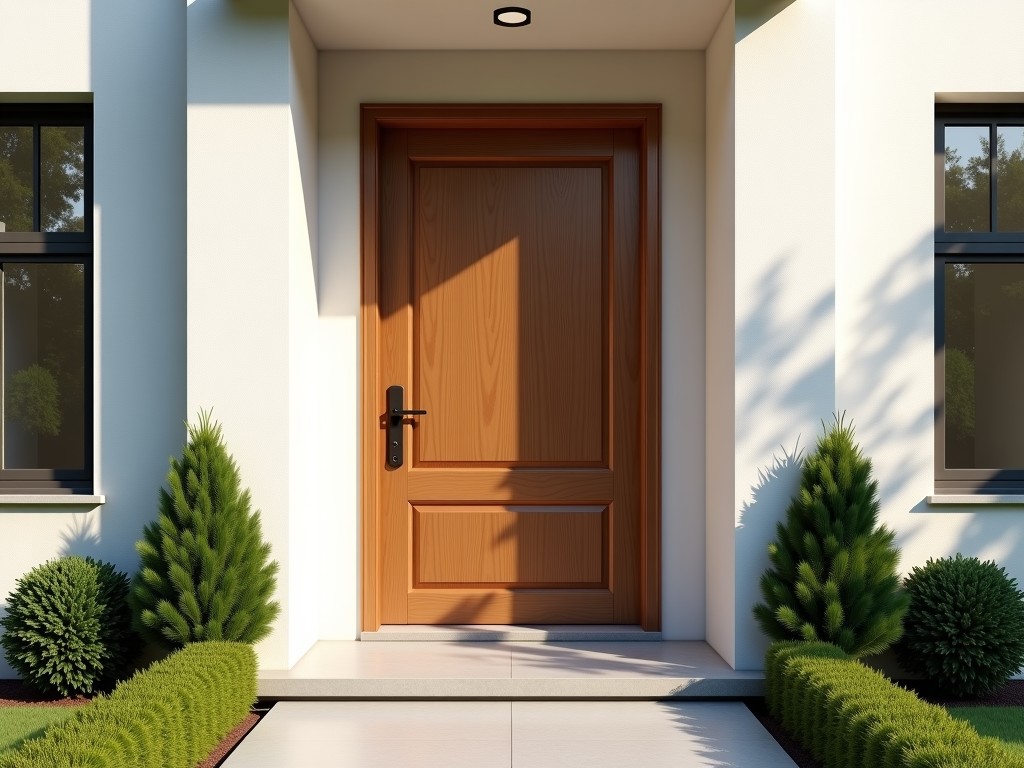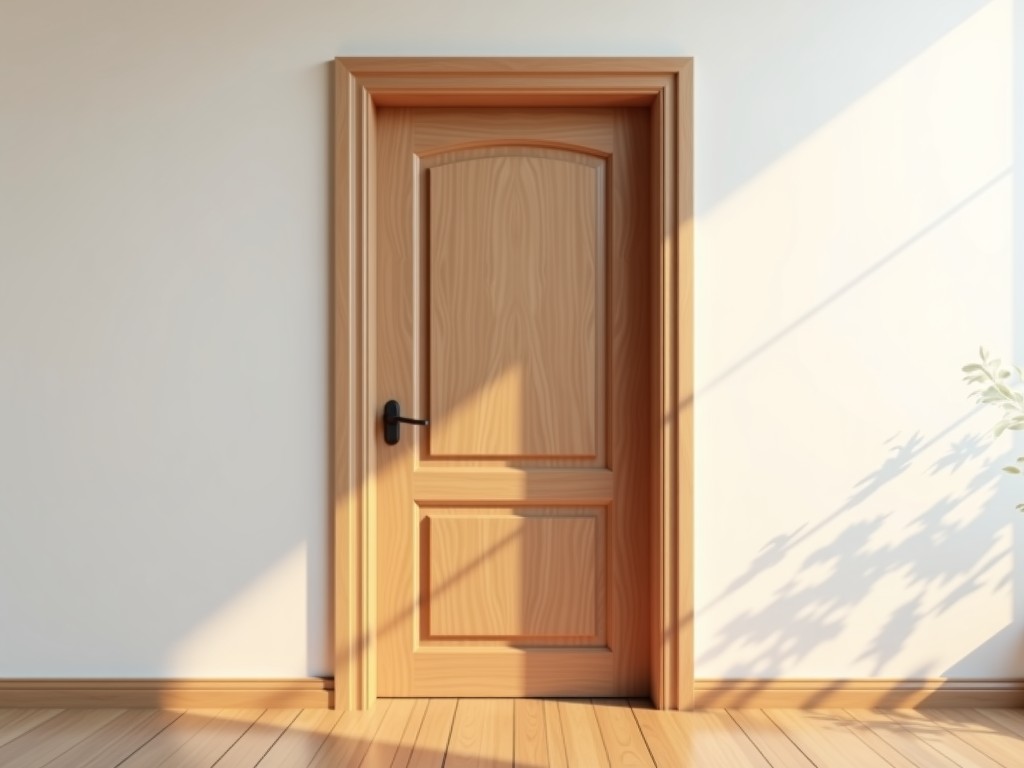
Economical Wooden Door Factory Sale
Economical Wooden Door Factory Sale
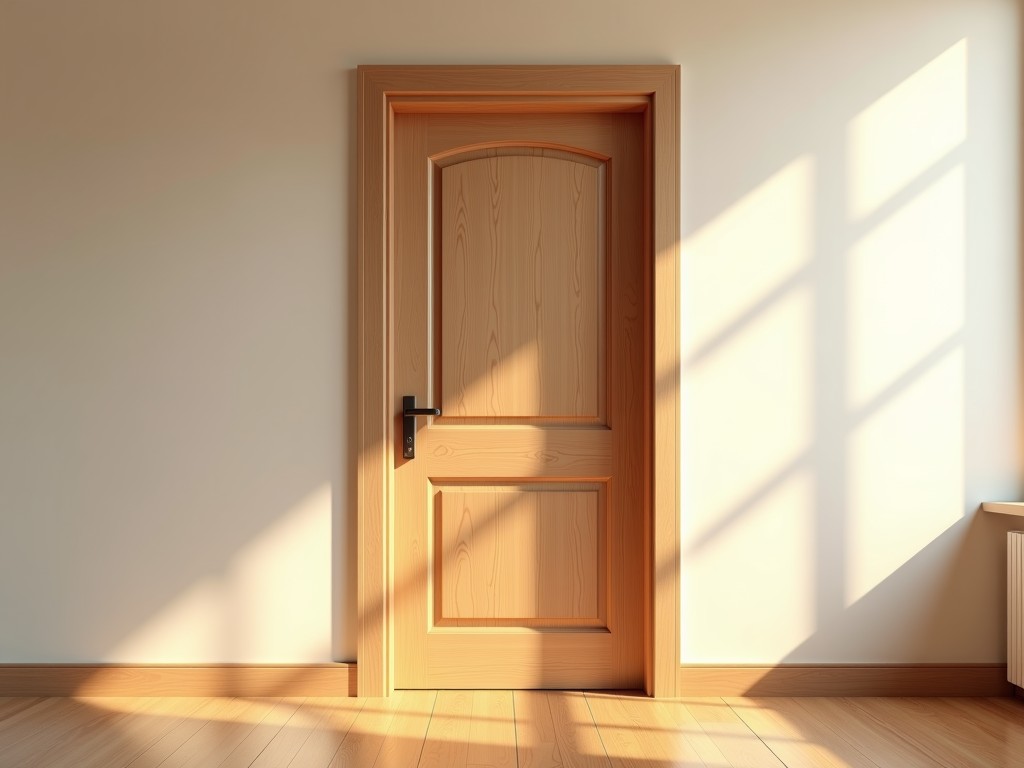
Economical Wooden Door Solutions for Industrial and Commercial Applications
When sourcing entry systems for light industrial facilities, workshops, or auxiliary buildings, decision-makers often balance cost efficiency with functional durability. An economical wooden door addresses this need by utilizing standardized construction methods and readily available softwood species to deliver a functional barrier without the premium associated with hardwoods or specialized finishes. This approach supports projects where budget constraints are significant but basic performance expectations—such as dimensional stability under controlled humidity, adequate impact resistance for low-traffic zones, and compatibility with standard hardware—must still be met.
Material selection begins with species like pine, poplar, or fir, chosen for their straight grain, ease of machining, and consistent availability in regional supply chains. These woods are typically kiln-dried to a moisture content of 8–12% to minimize post-installation warping or twisting, a critical factor in maintaining proper door alignment within frames. Core construction often employs a hollow or semi-solid design using a lattice of wood stiles and rails with cardboard or cellular core infill, reducing material usage while preserving panel rigidity. Surface layers may consist of thin veneers or MDF overlays to provide a uniform substrate for priming or painting, allowing finish customization to match facility aesthetics.
Manufacturing relies on standardized CNC routing and automated assembly lines to ensure repeatable dimensions across production batches. Typical tolerances for width and height fall within ±2 mm, sufficient for compatibility with common commercial frames and hinges. Edge sealing is applied to prevent moisture ingress at vulnerable points, particularly important in environments with periodic cleaning or fluctuating ambient conditions. Hardware prep—including mortises for hinges, locks, and strikes—is executed to ANSI/BHMA standards, enabling field installation without custom machining.
Performance characteristics are suited to interior partitions, storage room entries, or office-adjacent zones where fire ratings are not required and acoustic demands are moderate. The mass of a standard 2030×820×35 mm economical wooden door typically ranges from 12 to 18 kg, depending on core density and facing materials, influencing both handling during installation and long-term hinge load. While not designed for high-impact industrial zones, these doors resist everyday wear from carts, personnel traffic, and light equipment movement when properly maintained.
Customization options exist within the economical framework, including adjustments to panel dimensions, latch backsets, and veneer species to align with project-specific visual or functional needs. However, significant deviations from standard configurations may affect lead time and unit cost due to altered tooling or material sourcing. Surface preparation is typically left primed or unfinished, allowing contractors to apply site-specific coatings that meet local environmental or safety regulations—an advantage in facilities requiring low-VOC or fire-retardant topcoats.
Packaging follows industrial norms: individual units are wrapped in polyethylene film, stacked on pallets with corner protectors, and secured with stretch wrap to prevent edge damage during transit. Each pallet includes a packing slip detailing quantity, dimensions, and order reference, supporting accurate receiving and inventory management. For international shipments, ISPM 15-compliant pallets are used when required, and moisture barriers are included in high-humidity corridors.
Quality control focuses on visual inspection for surface defects, dimensional verification at multiple points, and functional checks of hardware prep alignment. Batch testing may include cycle endurance on representative samples to validate hinge and latch performance under simulated use. Suppliers typically provide material safety data sheets (MSDS) for adhesives and finishes upon request, ensuring compliance with workplace safety protocols.
Lead times vary based on order volume and customization level, with standard configurations often available from stock or within 2–3 weeks for made-to-order runs. Larger volumes may benefit from consolidated production scheduling, reducing per-unit overhead. Procurement teams are advised to confirm exact door handing (left- or right-hand swing) and frame compatibility during quotation to avoid field adjustments.
For facilities seeking a cost-conscious entry solution that maintains basic operational integrity, an economical wooden door offers a pragmatic balance between material efficiency, manufacturability, and field performance. Understanding its intended application scope—primarily low-to-moderate traffic interior environments—enables informed specification without over-engineering or unnecessary expense.
| Parameter | Typical Range / Detail |
|---|---|
| Core Construction | Hollow or semi-solid with lattice frame and cellular/paper core |
| Facing Material | Softwood veneer, MDF, or primed overlay |
| Standard Thickness | 30–40 mm |
| Width x Height (Nominal) | 813–914 mm × 2032 mm (customizable) |
| Weight (Typical) | 12–18 kg |
| Moisture Content (Kiln-Dried) | 8–12% |
| Dimensional Tolerance | ±2 mm (width/height), ±1 mm (thickness) |
| Surface Finish | Primed, unfinished, or pre-painted (upon request) |
| Hardware Prep | ANSI/BHMA mortises for hinges, lock, strike |
| Packaging | Polyethylene wrap, palletized with corner protectors |
Technical teams evaluating door options for non-critical access points are encouraged to review project specifications against the performance envelope of economical wooden doors. Factors such as ambient humidity exposure, expected traffic frequency, and required finish durability should guide final selection. For projects requiring enhanced impact resistance, fire compliance, or acoustic performance, alternative core materials or facing systems may be more appropriate.
Share your project drawings or specifications with our engineering team to receive a detailed evaluation and customized quotation. We will assess dimensional compatibility, material suitability, and logistical requirements to support your procurement timeline.