Exterior Wooden Door Supplier
Exterior Wooden Door Supplier
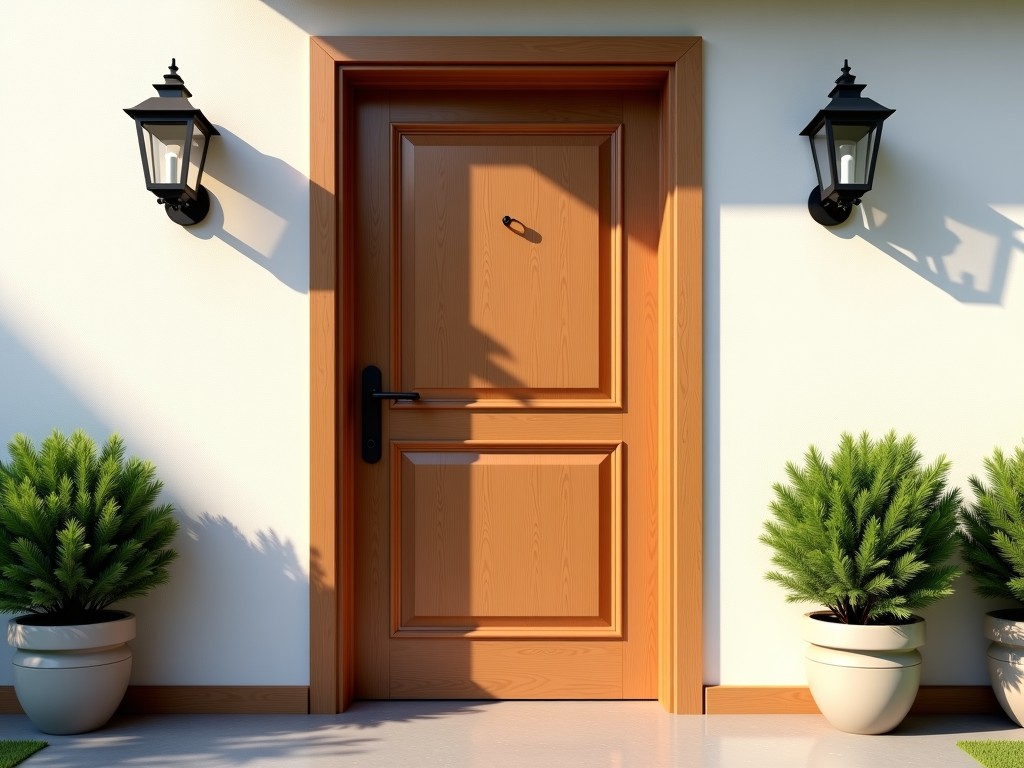
Exterior Wooden Door: Engineering Considerations for Industrial and Commercial Applications
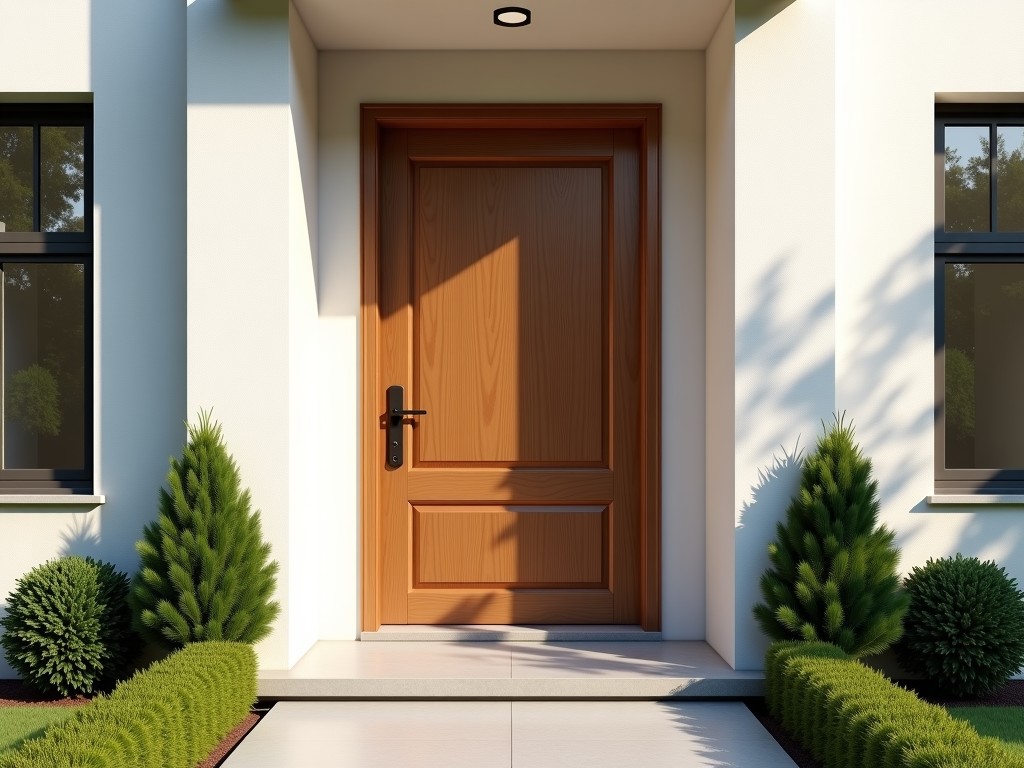
In facilities requiring durable, weather-resistant entry solutions—such as industrial complexes, warehouses, institutional buildings, and high-traffic commercial structures—exterior wooden doors must balance aesthetic expectations with functional performance under continuous environmental exposure. Material selection, construction methodology, and finishing systems directly influence long-term stability, maintenance frequency, and resistance to warping, delamination, or finish degradation. This page outlines the technical factors procurement teams and engineers evaluate when specifying exterior wooden doors for non-residential applications.
Material Selection and Structural Stability
The dimensional stability of an exterior wooden door begins with core and veneer material choice. Solid wood cores—such as kiln-dried hardwoods (e.g., white oak, mahogany) or engineered lumber cores (e.g., laminated veneer lumber or finger-jointed pine)—are selected based on their resistance to moisture-induced movement. Engineered cores reduce twisting and cupping by counteracting grain direction stresses, making them preferable in climates with seasonal humidity swings. Face veneers are typically hardwood or modified wood composites, chosen for surface durability and finish adhesion.
Door stiles and rails are often constructed from laminated hardwood or composite lumber to resist sagging over wide spans. For doors exceeding 900 mm in width or 2100 mm in height, intermediate rails or steel reinforcement channels may be incorporated to maintain alignment under repeated use. Thickness typically ranges from 40 mm to 54 mm, with 44 mm being common for fire-rated or high-security configurations.
Construction Methods and Joint Integrity
Traditional mortise-and-tenon joints, reinforced with waterproof adhesives (e.g., phenolic or resorcinol formaldehyde), remain standard for load-bearing corners in high-performance exterior doors. These joints provide mechanical interlock that resists separation under cyclic loading and humidity changes. Dowel or biscuit joints are generally avoided in primary structural areas due to lower long-term shear strength in exterior environments.
Edge sealing is critical to prevent moisture ingress at vulnerable end-grain surfaces. All edges—including stile, rail, and bottom seals—are typically factory-applied with moisture-barrier compounds or wrapped with PVC or metal edge guards. Bottom rails often include a stainless steel or aluminum sweep channel to resist wicking and mechanical wear from threshold contact.
Finishing Systems and Weather Resistance
Factory-applied finishing systems significantly outperform field finishes in consistency and durability. A typical system includes: preservative treatment (e.g., copper-based or borate) to inhibit fungal decay, followed by a primer, then multiple coats of UV-resistant topcoat (polyurethane, acrylic, or alkyd-based) with flex additives to accommodate substrate movement. The finish system is designed to maintain adhesion and flexibility over 5–8 years in direct sun exposure, depending on geographic zone and maintenance schedule.
Edge-to-edge coating is essential—any uncoated surface acts as a moisture entry point, accelerating finish failure and substrate degradation. Reputable manufacturers use dip, spray, or curtain coating methods to ensure complete coverage, including mortise pockets and hinge recesses. Field touch-up kits are provided for maintenance, but long-term performance depends on initial factory sealing integrity.
Typical Specifications and Performance Parameters
| Parameter | Typical Range or Specification |
|---|---|
| Door Thickness | 40 mm – 54 mm (customizable) |
| Maximum Width (Single Leaf) | 1000 mm (without reinforcement) |
| Maximum Height | 2400 mm (with intermediate stiffening) |
| Core Material Options | Solid hardwood, LVL, finger-jointed pine, composite lumber |
| Face Veneer | Hardwood (oak, mahogany, walnut), modified wood, HDF overlay |
| Fire Rating (Optional) | 20, 45, 60, 90 minutes (per ASTM E2074 / EN 1634-1) |
| Finish System | Preservative + primer + 2–3 coats UV-resistant topcoat (factory applied) |
| Edge Protection | Moisture barrier coating, PVC/metal edge guard, or aluminum sweep |
| Hardware Preparation | Standard mortises for hinges, locks, closers; custom per template |
Values above represent typical industrial offerings. Exact dimensions, material grades, and performance ratings are confirmed during technical review based on project-specific requirements such as exposure zone, usage frequency, and compliance with local building codes (e.g., IBC, EN standards). Fire-rated configurations require certified core materials and intumescent edge seals, which may alter dimensions and weight.
Application-Specific Design Considerations
In industrial settings—such as manufacturing plants or distribution centers—exterior doors may face frequent impact from material handling equipment, necessitating reinforced kick plates (typically 2–3 mm stainless steel) and heavy-duty hinge systems (e.g., ball-bearing or continuous geared hinges). For institutional buildings like schools or hospitals, accessibility compliance (e.g., ADA, EN 17210) influences threshold height, clearance width, and operating force, often requiring low-energy operators or power-assisted systems.
Coastal or high-humidity environments demand enhanced protection against salt spray and moisture cycling. In these cases, manufacturers may specify marine-grade veneers, increased preservative retention levels, or supplemental overhangs and drip caps to reduce direct water exposure. Finish maintenance intervals are shortened in such zones, with recommended inspection every 12–18 months.
Customization and OEM Flexibility
Exterior wooden doors are frequently customized to match architectural profiles, integrate with specific hardware systems, or meet unique performance criteria. Common modifications include: custom panel layouts (flush, raised, or glazed), non-standard sizes, integrated vision panels (with fire-rated glass), and tailored machining for access control, electronic strikes, or panic hardware. Minimum order quantities for custom designs typically start at 10–20 units, depending on tooling complexity.
Lead times for standard configurations range from 3–4 weeks; customized orders may require 6–8 weeks to accommodate material sourcing, tooling setup, and finish curing. Packaging is designed for export: individual units are wrapped in vapor-barrier film, placed in crush-resistant cartons with corner protectors, and stacked on ISPM-15 compliant pallets. Units are labeled with QR codes linking to technical data sheets and installation guides.
Quality Control and Testing Protocols
Factory quality control includes dimensional verification (±1.5 mm tolerance on width/height, ±1 mm on thickness), moisture content testing (target: 8–12% for exterior use), adhesion testing of finishes (ASTM D3359), and resistance to cyclic humidity exposure (per ASTM D2247). For fire-rated doors, third-party certification involves full-scale furnace testing and hose stream testing to validate integrity under fire conditions.
Packaging integrity is validated through drop and vibration testing (ISTA 3A) to ensure protection during transit. Suppliers typically provide mill test reports for core materials, finish batch certificates, and compliance documentation upon request. Incoming inspection by buyers often focuses on finish uniformity, edge sealing completeness, and hardware preparation accuracy.
Selection Guide for Procurement and Engineering Teams
When evaluating suppliers, request documentation on: material sourcing (FSC or PEFC certification if required), finish system data sheets (including UV acceleration test results), joint construction details, and warranty terms related to finish performance and structural stability. Avoid doors with exposed end grain, inconsistent veneer matching, or lack of edge protection—these are early indicators of reduced service life.
For projects requiring long-term value, prioritize factories with controlled conditioning chambers, automated coating lines, and traceability systems. Consider lifecycle cost over initial price: a door requiring refinishing every 2 years due to poor factory sealing will exceed the cost of a higher-specification unit with 8-year finish durability. Engage suppliers early in the design phase to confirm feasibility of custom sizes, fire ratings, or integration with access control systems.
Next Steps: Technical Consultation and Quotation
To initiate a specification review, provide your project details including: opening dimensions, required performance ratings (fire, security, durability), preferred wood species or finish color, hardware schedule, and environmental exposure factors. Our engineering team will assess feasibility, suggest material alternatives if needed, and return a detailed proposal with lead time, packaging options, and compliance documentation.