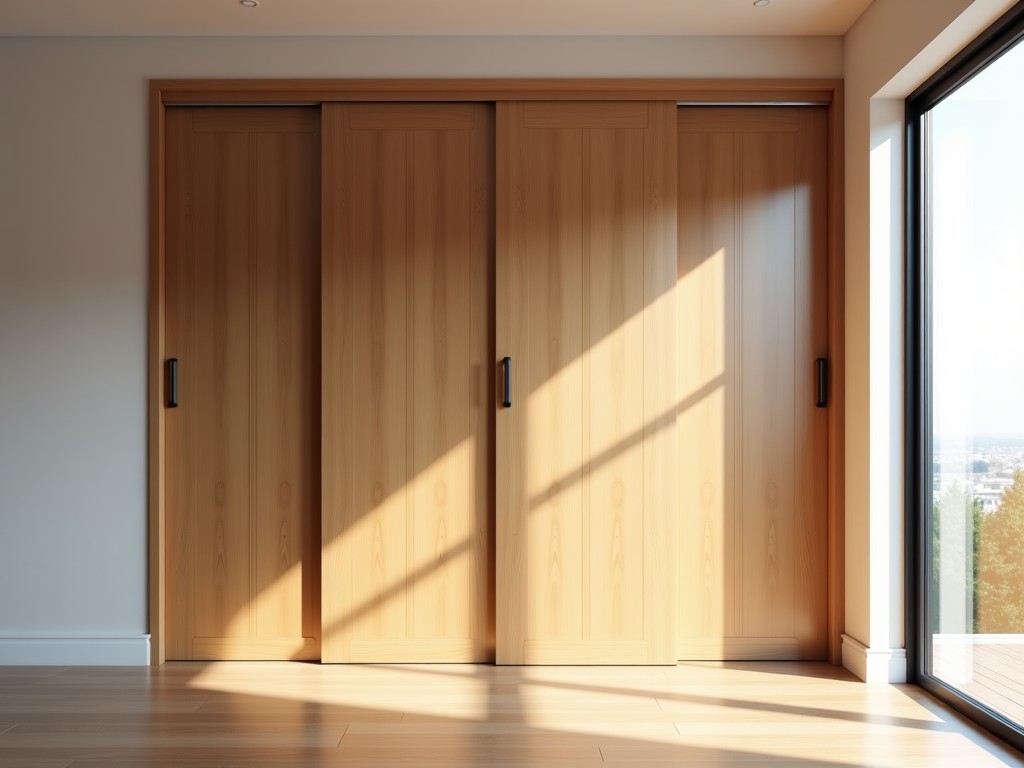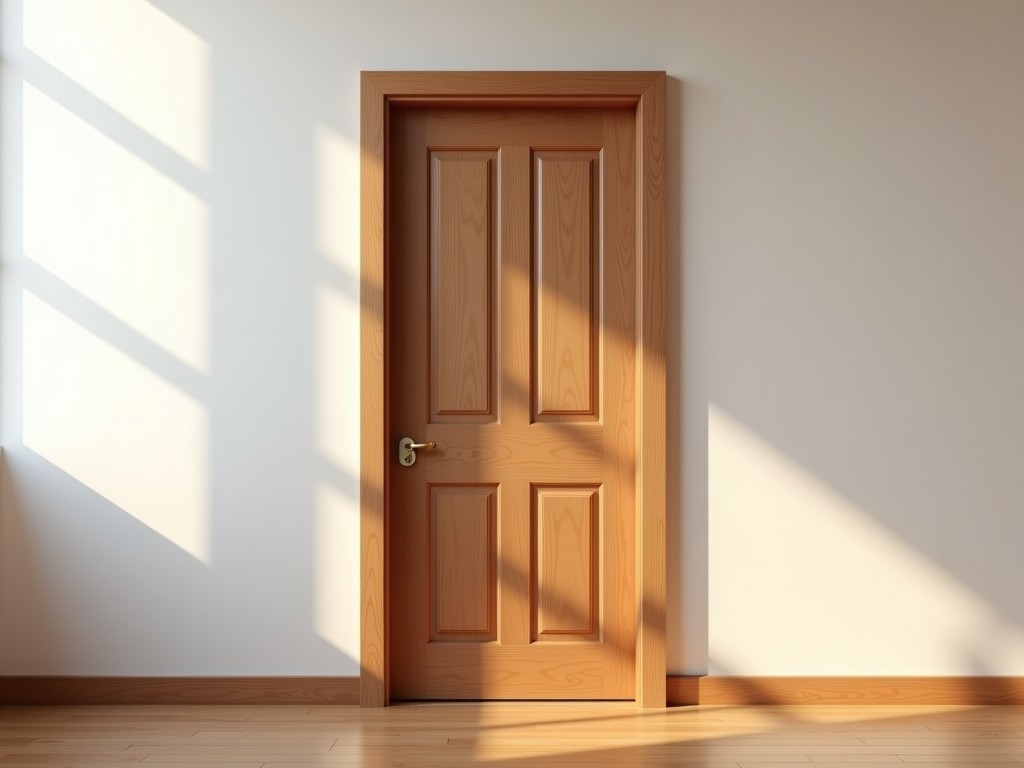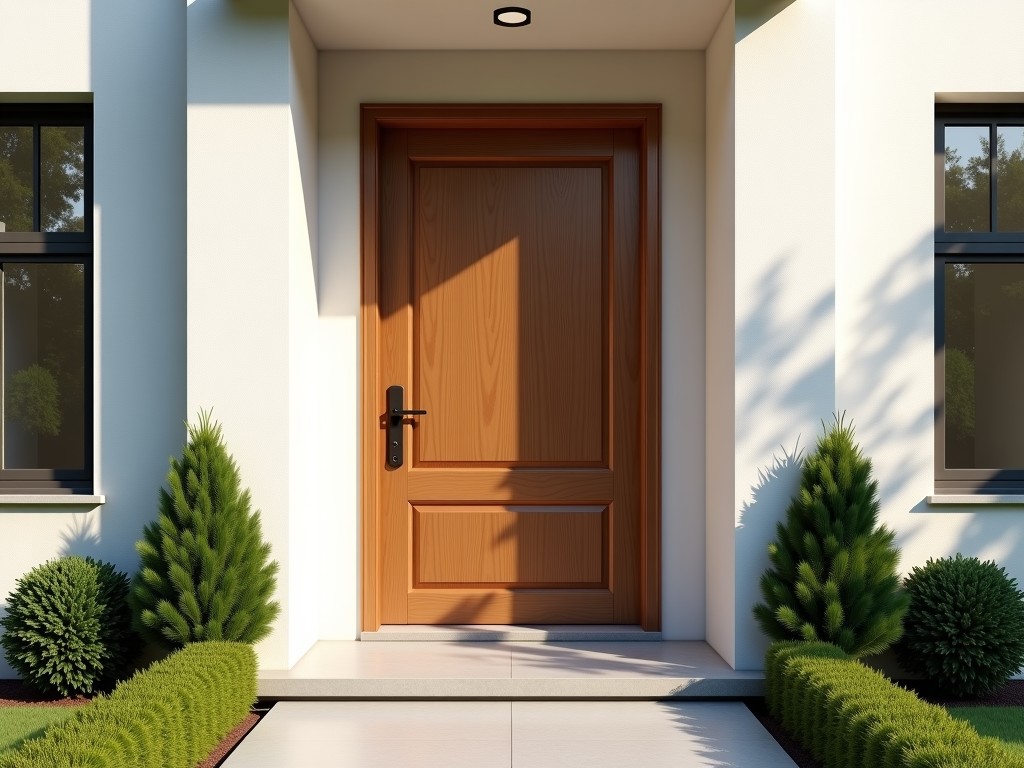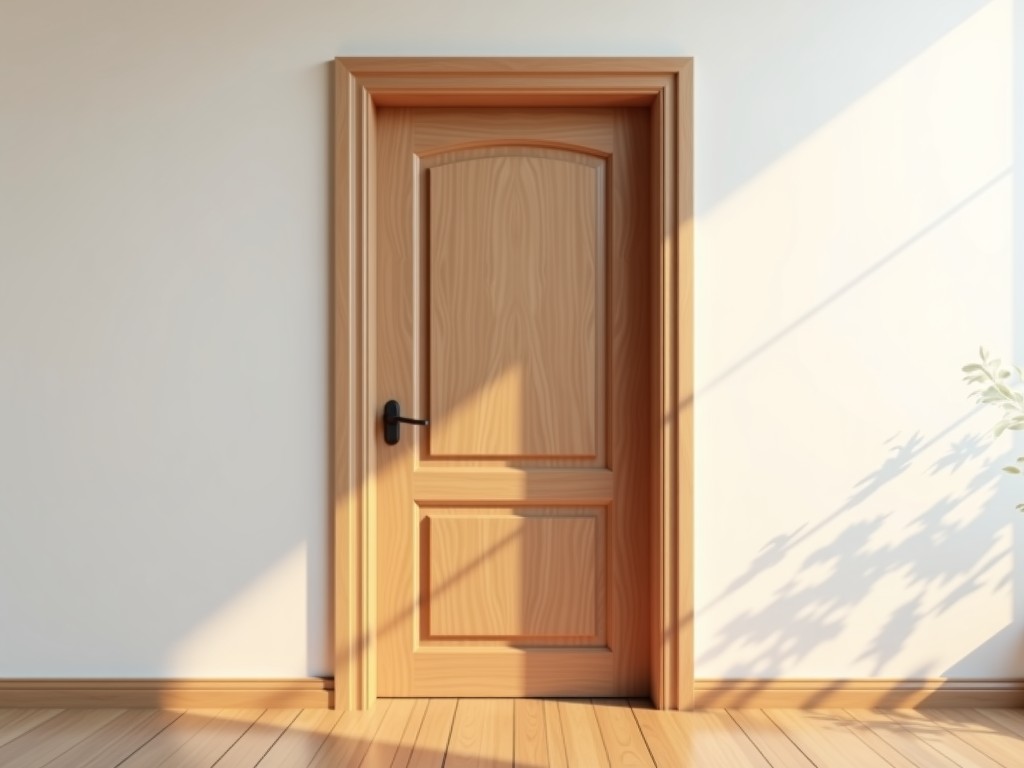
Factory Direct Luxury Wooden Door
Factory Direct Luxury Wooden Door
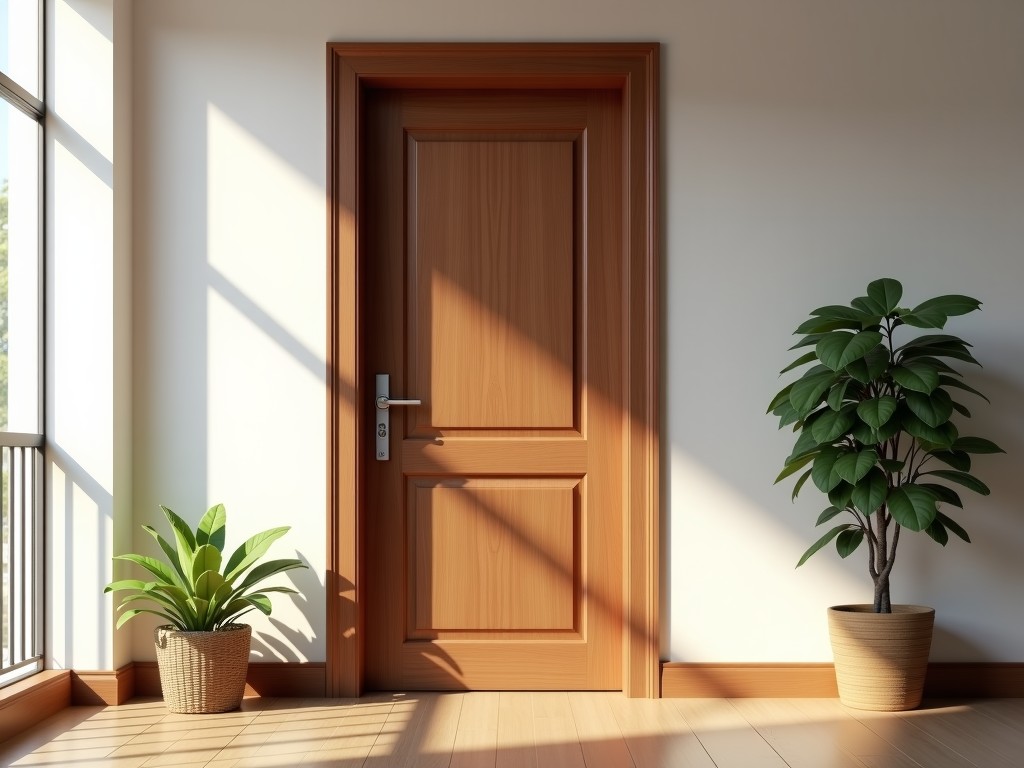
Luxury Wooden Door: Engineering Precision for Architectural Applications
In high-end residential and commercial construction, the entry door serves as both a functional barrier and a critical design element. Luxury wooden doors must meet stringent dimensional tolerances, resist environmental stress, and maintain visual integrity over decades of use. This page outlines the material, manufacturing, and performance considerations that inform selection for demanding architectural projects.
Material Selection and Stability
The foundation of a durable luxury door begins with species selection. Hardwoods such as European oak, sapele, and walnut are commonly specified for their dimensional stability, grain consistency, and resistance to warping. These species exhibit low tangential and radial shrinkage coefficients—typically below 0.20% per 1% moisture change—minimizing movement in fluctuating humidity environments. Veneer-core or solid-core constructions are chosen based on required weight, acoustic performance, and fire rating targets.
Moisture content is controlled to 8–12% at factory release, equilibrated to regional service conditions. This reduces the risk of joint opening, panel cracking, or finish failure post-installation. Core materials may include engineered lumber, MDF with moisture-resistant additives, or mineral-based composites for enhanced fire performance, each selected to complement the face veneer’s movement characteristics.
Manufacturing Process and Tolerance Control
Precision begins with CNC-machined stiles and rails, typically joined using mortise-and-tenon or dowel-and-glue methods reinforced with floating tenons for seasonal movement. Panel joints incorporate tongue-and-groove or spline connections to accommodate expansion without visible gapping. Sticking profiles are machined to tolerances of ±0.5 mm to ensure uniform reveal and proper weatherstrip compression.
Surface preparation involves multi-stage sanding to 180–220 grit before finishing. Finishing systems—whether water-based polyurethanes, catalyzed lacquers, or oil-modified resins—are applied in controlled environments to achieve uniform film thickness (typically 60–80 microns dry) and eliminate defects such as orange peel or pinholes. Edge sealing is performed to match face finish permeability, preventing moisture ingress at vulnerable end grain.
Performance Characteristics
Luxury wooden doors are evaluated on several engineered performance criteria:
- Air infiltration: Tested to ASTM E283, typically achieving <0.5 L/(s·m²) at 75 Pa pressure differential when properly weatherstripped.
- Water resistance: Evaluated per ASTM E547, with no leakage at 150 Pa for specified durations.
- Acoustic rating: STC ratings of 30–35 are achievable with solid-core constructions and perimeter sealing.
- Fire resistance: Available in 20-, 45-, and 60-minute ratings when constructed with approved cores and edge seals, tested to NFPA 252 or UL 10C.
These values depend on design, hardware integration, and installation quality. Factory-prepared machinings for hinges, locks, and thresholds ensure alignment and reduce field adjustment.
Typical Specifications
| Attribute | Typical Range or Specification |
|---|---|
| Door Thickness | 40–50 mm (solid core), 54 mm (fire-rated) |
| Width Range | 700–1200 mm (single leaf), up to 2400 mm (double leaf) |
| Height Range | 2000–2500 mm (standard), up to 3000 mm (custom) |
| Face Veneer Thickness | 0.6–1.0 mm (rotary or sliced) |
| Core Options | Solid wood, engineered lumber, MDF, mineral composite |
| Finish Systems | Water-based PU, UV-cured lacquer, oil-modified resin |
| Fire Rating | 20, 45, 60 min (dependent on core and edge seal) |
Customization and OEM Capabilities
Customization extends beyond dimensions to include:
- Veneer matching: book-matched, slip-matched, or radially matched for grain continuity.
- Sticking profiles: ovolo, bead, square, or custom profiles to match architectural detailing.
- Panel configurations: flat, raised, recessed, or curved panels with radius tolerances of ±1.0 mm.
- Glazing options: insulated glass units with wood stops, bead profiles, and internal blinds.
- Hardware preparations: mortises for multi-point locks, electronic strikes, and concealed hinges.
Engineering teams review shop drawings for structural integrity, hinge load distribution, and clearance requirements. Prototyping is available for complex geometries or performance validation.
Packaging and Logistics
Doors are packaged individually in horizontal crates with corner protectors, edge guards, and moisture-barrier wrapping. Interior surfaces are shielded with removable protective film. Crates are designed for forklift handling and include shock indicators to monitor handling conditions. Export packaging complies with ISPM 15 for wood packaging materials.
Lead times typically range from 4 to 8 weeks for standard configurations, extending to 10–12 weeks for highly customized orders involving rare veneers or special fire ratings. Production capacity supports both project-based orders and distributors requiring SKU consistency.
Quality Control and Inspection
Each door undergoes multiple inspection points:
- Incoming veneer: moisture content, grain defects, color variation.
- Post-machining: dimensional accuracy, joint fit, sticking profile.
- Pre-finish: surface smoothness, edge sealing, machined feature accuracy.
- Post-finish: film thickness, gloss uniformity, adhesion (tape test), and visual defect under 500 lux inspection.
- Final: operation check, hardware alignment, gap measurement, and packaging integrity.
Random sampling is conducted for performance testing, including cycle operation (25,000 open/close cycles) and environmental conditioning.
Selection Guide for Procurement and Design Teams
When evaluating luxury wooden doors, consider the following:
- Environmental exposure: specify species and finish systems appropriate for interior, sheltered exterior, or fully exposed conditions.
- Performance priorities: balance acoustic, thermal, and fire requirements against aesthetic goals.
- Hardware compatibility: confirm that preparations align with selected locking systems and access control devices.
- Maintenance expectations: factory finishes typically require recoating every 5–8 years in high-wear areas; touch-up kits are available for field maintenance.
- Lifecycle value: assess total cost of ownership, including potential refinishing, against lower-maintenance alternatives.
Engage suppliers early in the design phase to confirm feasibility of custom profiles, lead times, and certification requirements.