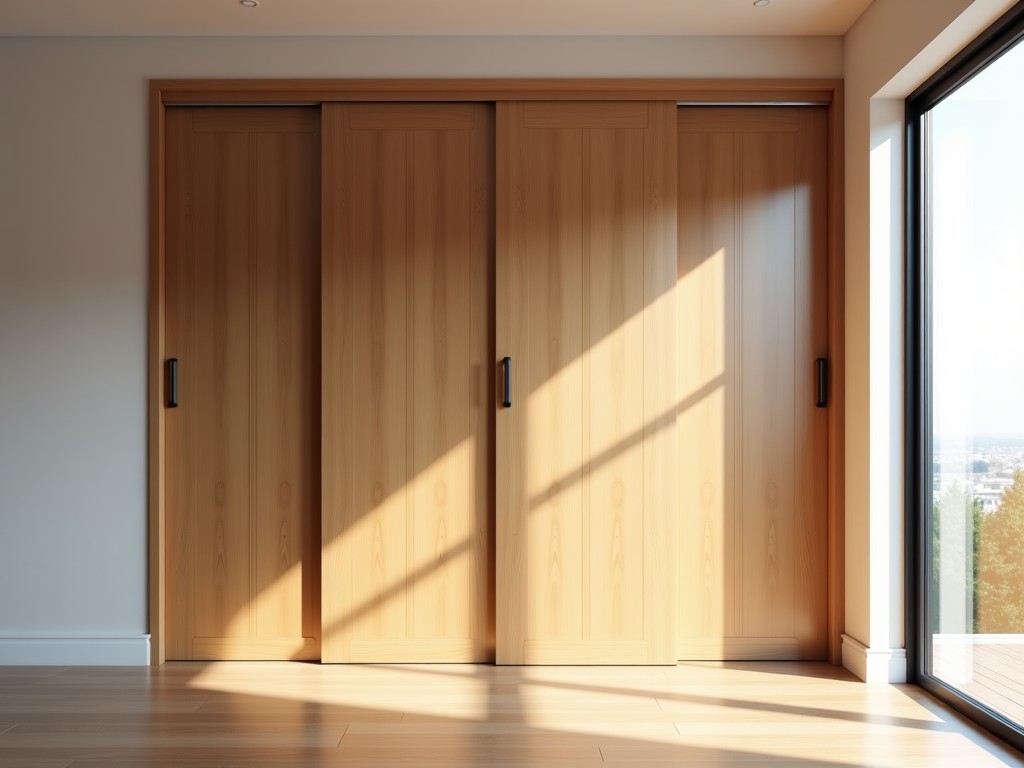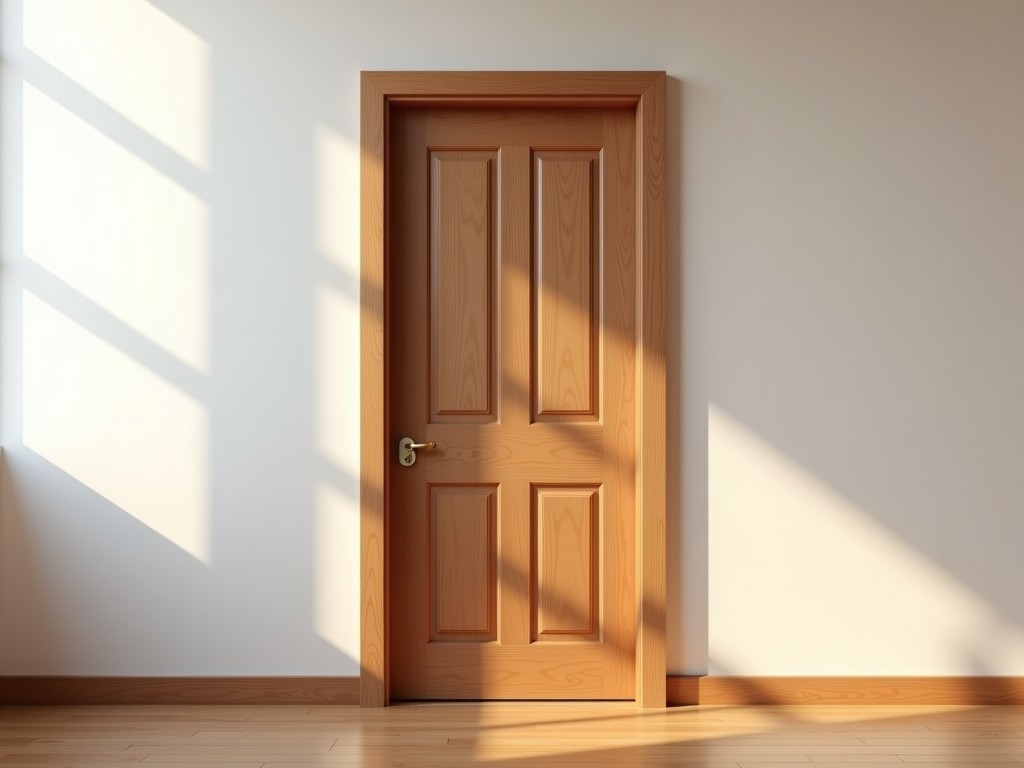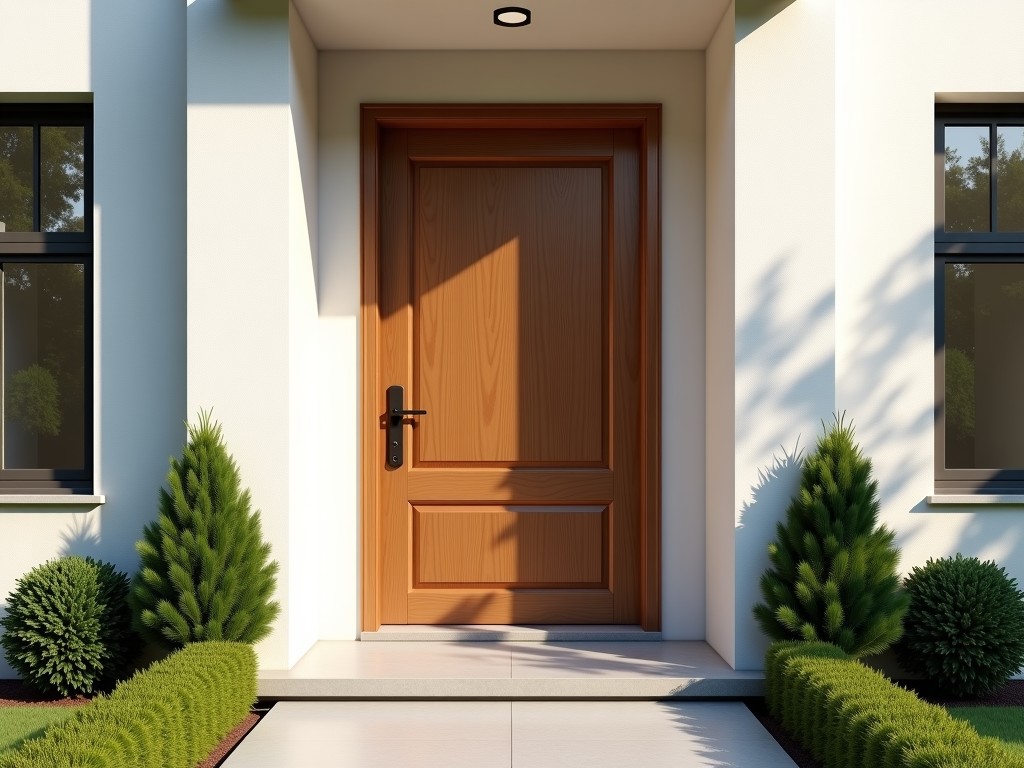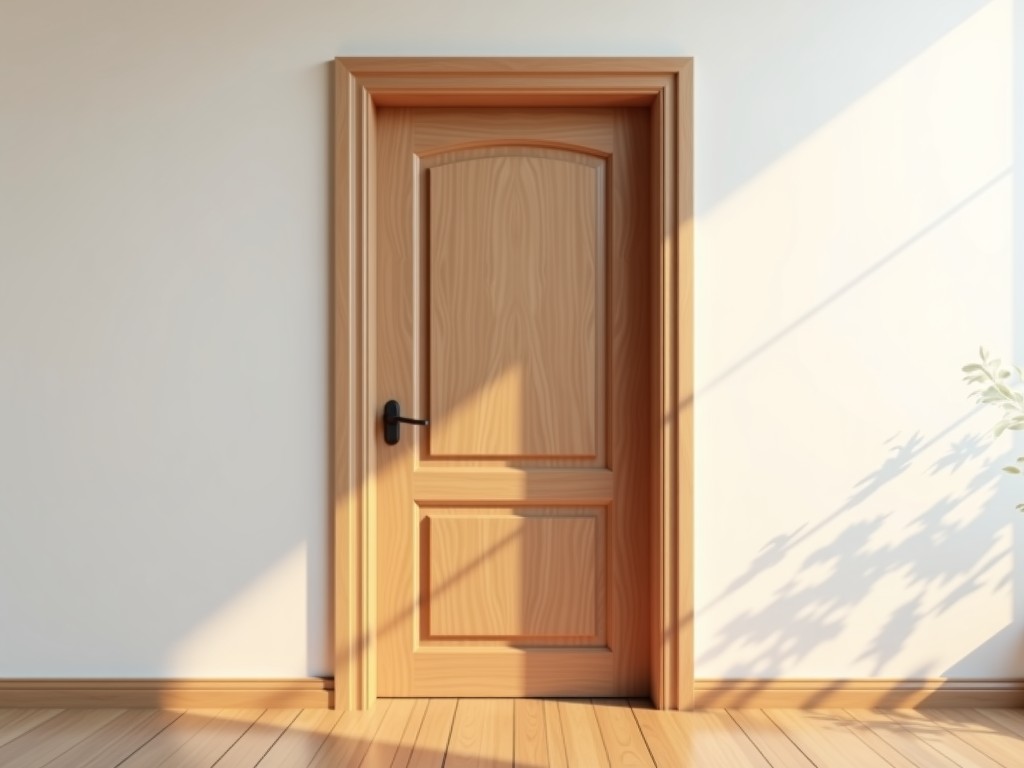
Hardwood Interior Door Exporter
Hardwood Interior Door Exporter
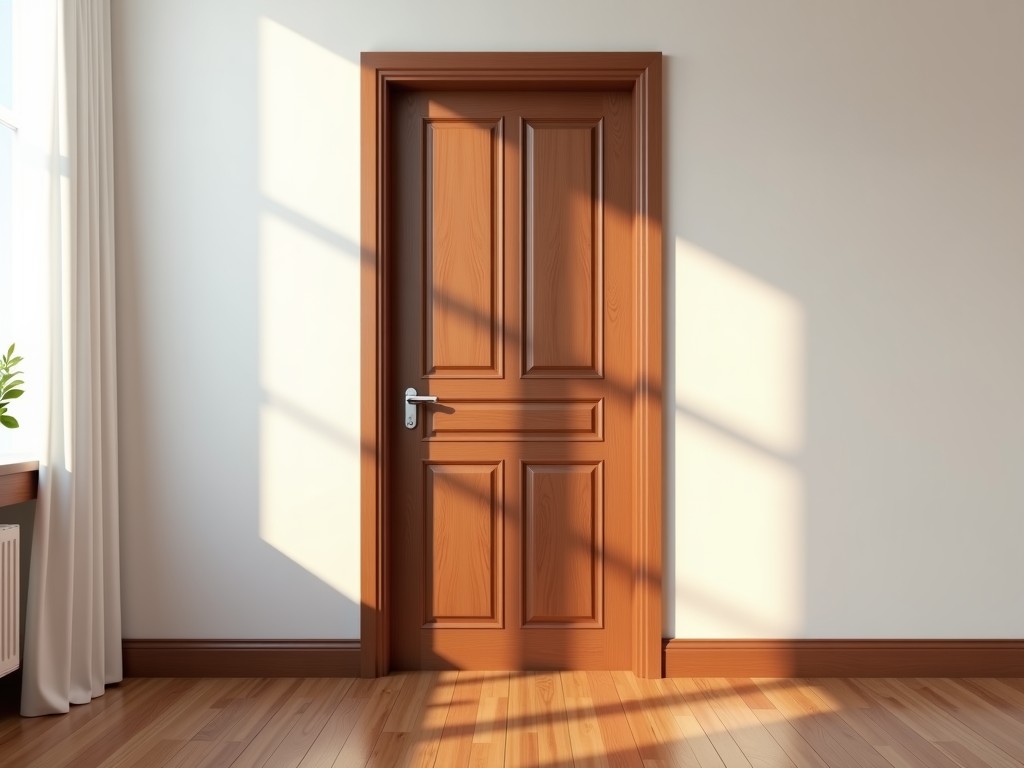
Hardwood Interior Doors for Architectural and Commercial Applications
Interior door selection in commercial, institutional, and high-end residential projects involves balancing aesthetic requirements with functional performance, dimensional stability, and long-term durability. Hardwood interior doors are specified where visual quality, resistance to wear, and compatibility with fine millwork are critical. This page outlines the engineering considerations, material behaviors, and manufacturing factors that influence performance in demanding environments.
Material Selection and Dimensional Stability
The performance of a hardwood interior door begins with species selection. Different hardwoods exhibit varying movement characteristics due to changes in ambient relative humidity. Species such as white oak, hard maple, and ash are commonly selected for their favorable strength-to-weight ratio and predictable movement, while walnut and cherry are chosen for appearance but require tighter environmental controls. Quartersawn grain orientation is often specified to minimize tangential movement and reduce the risk of warping or twisting in wide panels.
Engineered cores, such as particleboard with hardwood veneer or stave-laminated cores, are frequently used to improve stability compared to solid wood slabs. These constructions reduce internal stress and minimize telegraphing of substrate imperfections through the finish layer. For applications requiring fire ratings, mineral cores with hardwood facings may be specified to meet code compliance without sacrificing appearance.
Manufacturing Process and Tolerance Control
Manufacturing begins with careful lumber selection and kiln drying to a target moisture content of 6–8%, depending on the intended geographic region and HVAC conditions. Components are machined to tight tolerances—typically ±0.5 mm for thickness and width, and ±1.0 mm for length—to ensure proper fit within frames and consistent reveal around the perimeter. Sticking and panel profiles are often matched to architectural trim specifications, requiring precise tooling and setup.
Assembly methods vary by design. Coped-and-sticked joinery is traditional for frame-and-panel doors, while coped joints or splines may be used in flush designs. Adhesive selection is critical; polyvinyl acetate (PVA) or urea-formaldehyde resins are common, with cure cycles controlled to prevent starved joints or excessive squeeze-out. Sanding sequences progress through multiple grits to achieve a surface ready for finishing, typically ending at 180–220 grit before seal application.
Performance Characteristics and Application Suitability
Hardwood interior doors are evaluated based on several performance metrics relevant to commercial use. Impact resistance is influenced by species density and edge construction—solid hardwood staves or laminated edges provide better resistance to denting than veneer-only constructions. Surface hardness, measured via Janka rating, affects suitability for high-traffic areas; hard maple (1450 lbf) and white oak (1360 lbf) are often selected for corridors and public spaces where abrasion resistance is a concern.
Acoustic performance depends on mass and core density. Solid or stave-laminated cores provide better sound attenuation than hollow or low-density particleboard cores. For environments requiring speech privacy, such as offices or consultation rooms, doors with higher mass cores and perimeter seals are specified to achieve STC ratings in the 30–35 range. Thermal performance is secondary in interior applications but may be considered in climates with significant temperature differentials between zones.
Typical Specifications
| Parameter | Typical Range or Specification |
|---|---|
| Door Thickness | 35 mm (standard), 40–45 mm (fire-rated or acoustic) |
| Width (Single Leaf) | 600–900 mm (custom widths available) |
| Height | 2000–2400 mm (standard), up to 3000 mm for specialized applications |
| Core Type | Solid stave, particleboard with hardwood veneer, mineral core (fire-rated) |
| Face Veneer Thickness | 0.6 mm (standard), 1.0–1.5 mm (premium or refinishable) |
| Edge Banding | Solid hardwood, PVC, or wood veneer (matching or contrasting) |
| Finish System | UV-cured polyurethane, water-based lacquer, or oil-based systems (custom sheen available) |
| Fire Rating | 20, 45, 60, 90 minutes (with certified core and hardware) |
Customization Options and Design Flexibility
Customization extends beyond species and finish. Panel configurations—flat, raised, or recessed—can be tailored to match interior design themes. Glass lites, when specified, require careful consideration of glazing beads and gasket compatibility to maintain both appearance and performance. Hardware preparations, including mortises for hinges, locks, and flush bolts, are executed to template specifications to ensure field interchangeability.
For projects requiring consistency across multiple openings, door families are developed with shared stile and rail dimensions, allowing varied panel designs while maintaining uniform sight lines. This approach simplifies specification and reduces the risk of mismatched components during installation. Custom staining or color matching to architectural samples is available, though it requires approval of finished samples under project lighting conditions.
Packaging, Logistics, and Installation Considerations
Doors are typically packaged individually in cardboard sleeves with corner protectors and stretch-wrapped on pallets for transit. Edge protection is critical—specifically designed edge guards prevent chipping during handling. For international shipments, moisture barriers and desiccants may be included to stabilize equilibrium moisture content during long transit times or variable climate exposure.
Installation success depends on proper acclimatization. Doors should be stored flat in the installation environment for a minimum of 48–72 hours prior to hanging, allowing them to reach equilibrium with local humidity. Frames must be plumb and square; shimming is often required to compensate for wall inconsistencies. Clearance at the head and sides should follow manufacturer recommendations—typically 3 mm at the top and sides, 6–10 mm at the bottom depending on flooring threshold.
Quality Control and Inspection Standards
Quality control begins at incoming lumber inspection, where moisture content, grain orientation, and defect levels are assessed against grade standards (e.g., NHLA or equivalent). In-process checks include dimensional verification after machining, adhesive spread rate monitoring, and sanding uniformity. Final inspection includes surface finish quality (checking for orange peel, dust nibs, or thin spots), edge consistency, and operational hardware fit.
Random sampling is conducted for batch consistency, particularly for color and gloss when custom finishes are applied. Documentation of inspection results is available upon request for projects requiring traceability. While specific AQL levels vary by customer requirement, common benchmarks include Level II for major defects and Level IV for minor defects in finish and dimensions.
Selection Guide for Procurement and Design Teams
Selecting the appropriate hardwood interior door involves evaluating the project’s environmental conditions, traffic level, fire and acoustic requirements, and aesthetic goals. For high-traffic corridors, prioritize species with high Janka ratings and durable edge construction. In environments with fluctuating humidity, quartersawn grain and engineered cores reduce movement risk. When fire ratings are required, verify that the entire assembly—door, frame, and hardware—has been tested as a unit.
Requesting finished samples under project-specific lighting is recommended to validate color and sheen. For custom profiles, provide detailed drawings or physical samples to ensure tooling accuracy. Discuss lead times early in the process, as custom species, non-standard dimensions, or specialized cores may extend production schedules. Clear communication of tolerances, packaging requirements, and installation expectations helps prevent field issues and rework.
Share your project specifications, drawings, or performance requirements with our engineering team to receive a tailored proposal for hardwood interior doors that meet your design, functional, and compliance needs.