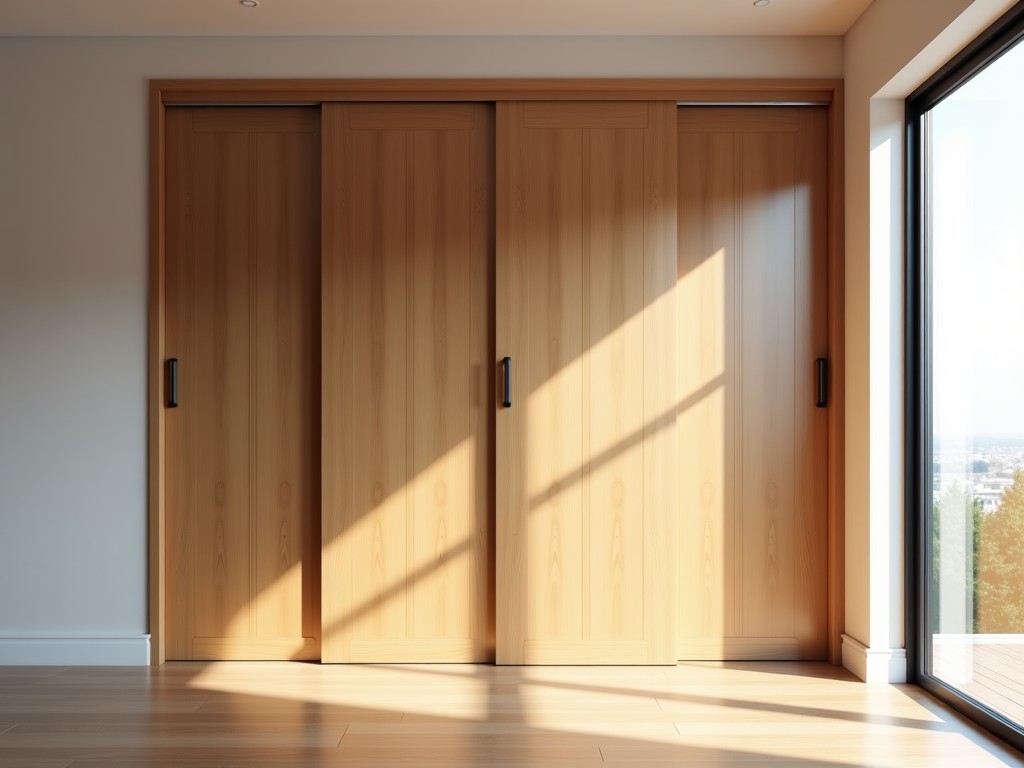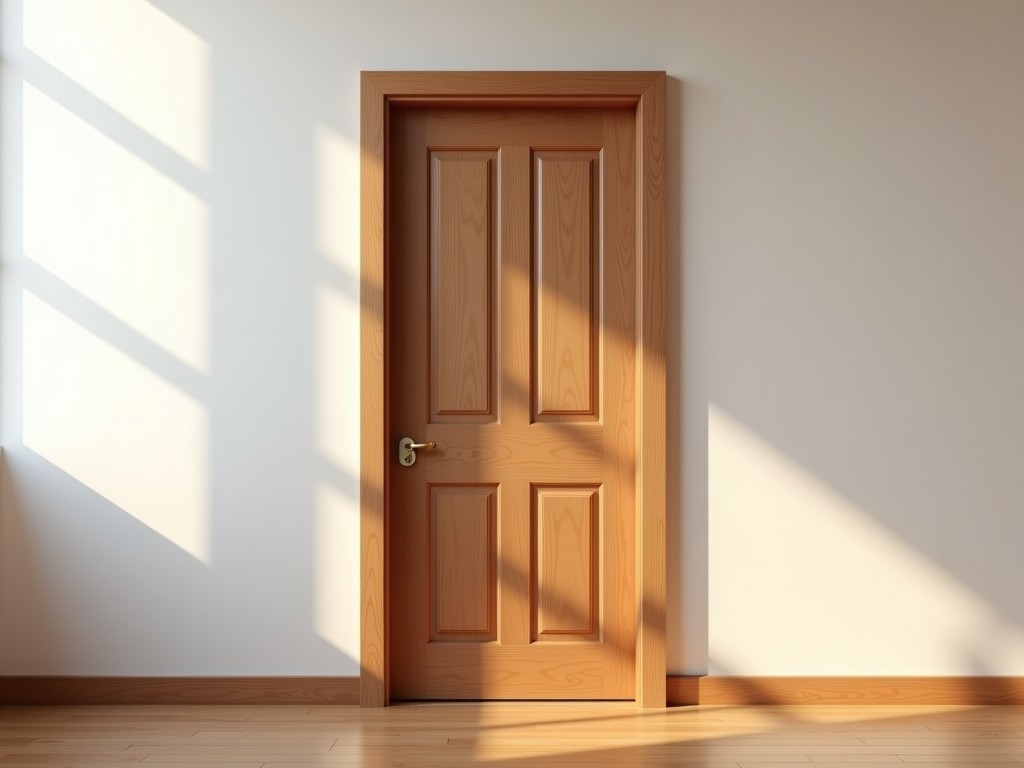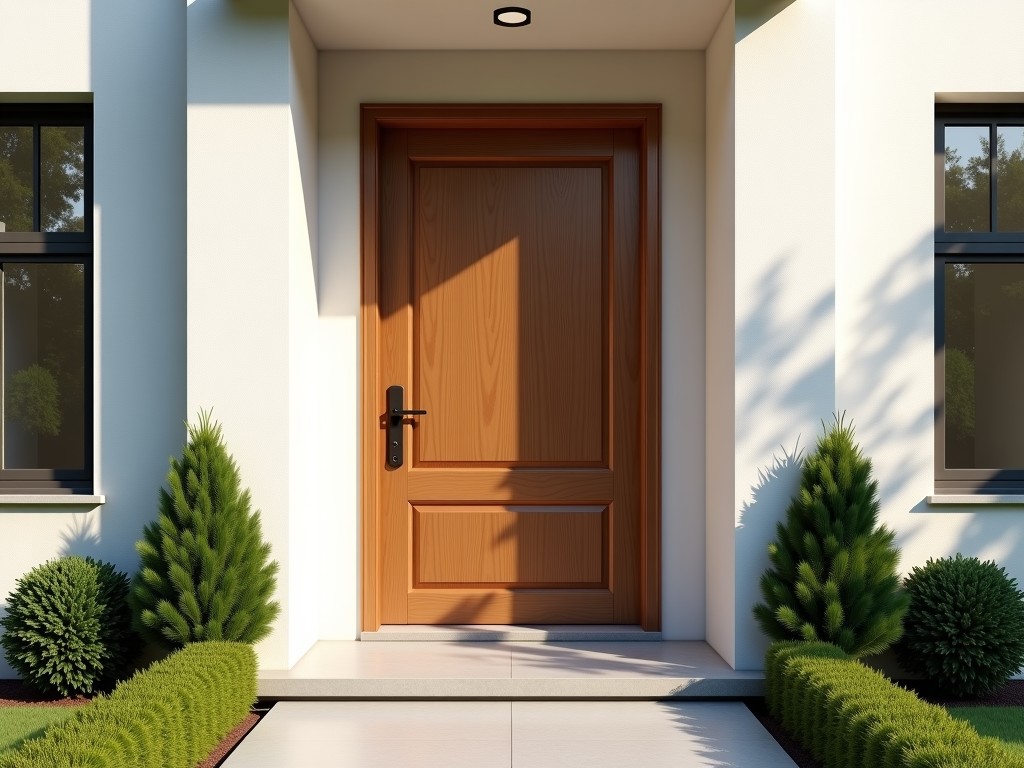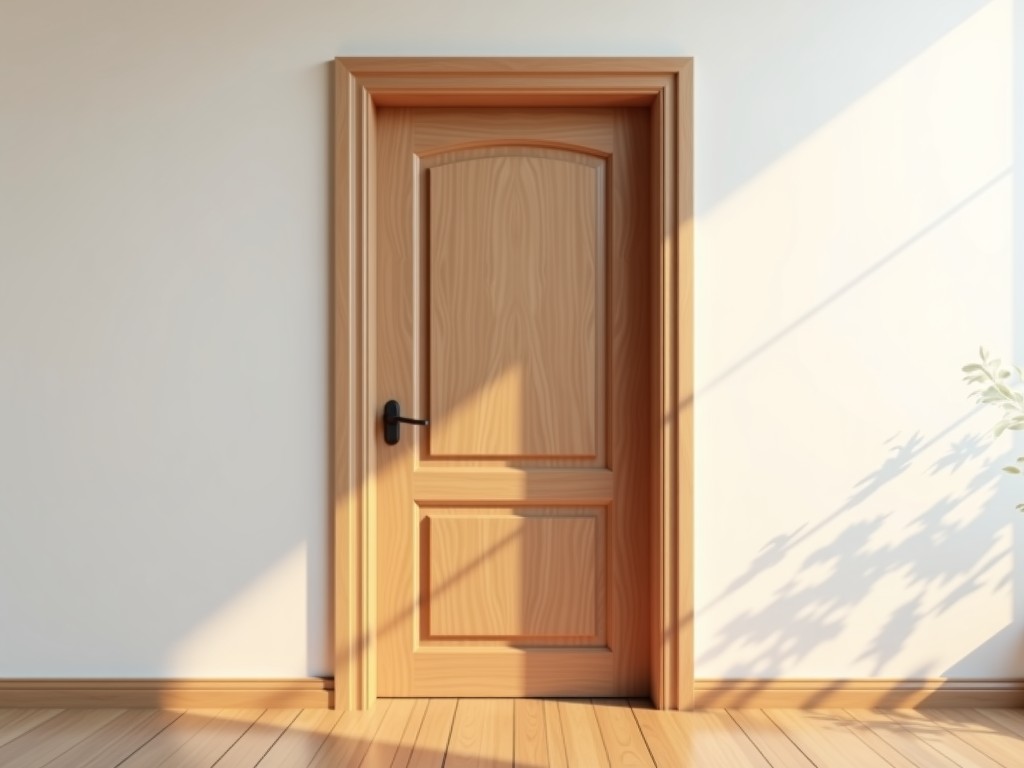
Hotel Activated Carbon Door Top Supplier
Hotel Activated Carbon Door Top Supplier
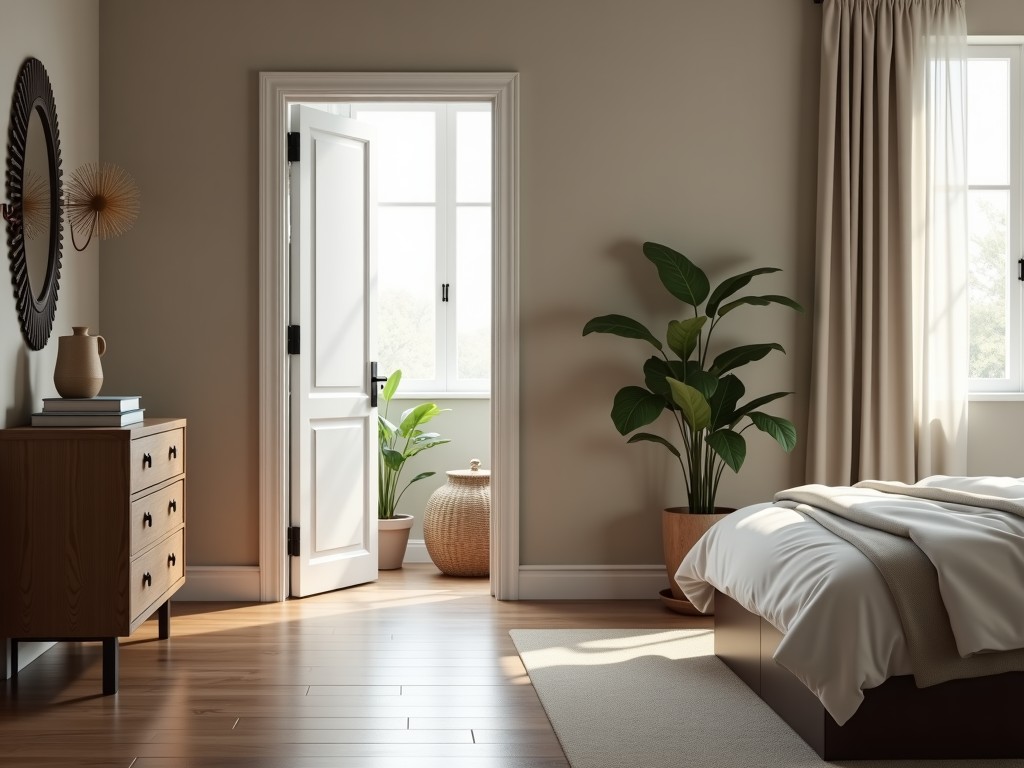
Hotel Activated Carbon Door: Technical Overview for Hospitality Environments
In hospitality facilities, maintaining indoor air quality in guest rooms and public areas presents a continuous engineering challenge. Volatile organic compounds (VOCs), cooking odors, cleaning agent residues, and tobacco smoke can accumulate, affecting guest comfort and perceived cleanliness. Standard door systems offer minimal resistance to odor migration between zones, particularly in high-traffic areas or where smoking policies vary. To address this, specialized door assemblies incorporating activated carbon media have been developed to provide passive air filtration directly at the threshold, reducing cross-contamination without requiring mechanical ventilation upgrades or ongoing energy consumption.
Working Principle: Passive Adsorption at the Door Interface
The activated carbon door functions as a physical barrier enhanced with adsorptive media integrated into its core or perimeter seals. As air moves through gaps around the door — driven by pressure differentials from HVAC operation, door cycling, or stack effect — it passes through channels containing granular or pelletized activated carbon. The carbon’s microporous structure traps odor molecules and certain VOCs via physical adsorption, reducing their concentration in the airstream. Unlike active filtration systems, this approach requires no power, fans, or replaceable cartridges under normal conditions; performance depends on the carbon’s surface area, pore distribution, and contact time with the airstream. Effectiveness is maximized when the door is closed, making it suitable for smoke-free zones, spa areas, or rooms adjacent to kitchens and laundries.
Material Selection: Carbon Media and Door Construction
The door leaf typically consists of a solid or honeycomb core made from moisture-resistant MDF, particleboard, or aluminum composite, faced with laminate, veneer, or painted steel for durability and aesthetic compatibility with hotel interiors. The activated carbon medium is selected based on iodine number (typically 800–1200 mg/g) and molasses number to ensure suitability for adsorbing medium-sized molecules like nicotine, formaldehyde, and benzene derivatives. Carbon is often impregnated with potassium iodide or other catalysts to enhance oxidation of specific pollutants. The media is contained within perforated metal cassettes, fiber-reinforced polymer frames, or sealed grooves in the door stile and rail, designed to allow airflow while preventing particle migration. Frame materials are chosen for dimensional stability under varying humidity levels common in hospitality environments.
Typical Specifications: Performance and Dimensional Guidelines
| Parameter | Typical Range or Description |
|---|---|
| Door Thickness | 35–50 mm (standard interior door range) |
| Activated Carbon Density | 0.4–0.6 g/cm³ (filled volume) |
| Iodine Number | 800–1200 mg/g (standard for VOC/odor adsorption) |
| Pellet Size (if granular) | 2–4 mm diameter (optimized for flow vs. pressure drop) |
| Frame Material | Aluminum alloy 6063-T5 or galvanized steel (corrosion-resistant) |
| Surface Finish | HPL laminate, powder-coated steel, or PVC edge banding |
| Standard Sizes | 2032 x 826 mm, 2134 x 915 mm (custom sizes available) |
Application Scenarios in Hospitality Facilities
These doors are most effective in environments where odor transfer between adjacent spaces impacts guest experience. Common installations include:
- Smoking and non-smoking room boundaries in mixed-use floors
- Kitchen service doors adjacent to dining areas or corridors
- Spa and wellness center entries to prevent humidity and essential oil diffusion
- Laundry chute access doors in housekeeping zones
- Conference room entrances near lobbies or elevators
In each case, the door reduces reliance on constant negative pressure or increased makeup air, lowering operational energy use while maintaining acceptable air quality thresholds. Performance is evaluated subjectively through guest feedback and objectively via periodic VOC sampling in controlled trials.
Customization Options: Tailoring to Project Requirements
Manufacturers typically offer customization in door dimensions, core construction, facing materials, and carbon media specifications to align with fire ratings (e.g., 20-, 45-, or 60-minute), acoustic performance (STC ratings), and design aesthetics. Carbon bed depth can be adjusted to increase contact time for higher odor loads, though this affects door weight and hinge selection. Perforation patterns in media cassettes are engineered to balance airflow resistance with adsorption efficiency, avoiding excessive pressure differentials that could hinder door operation. Surface finishes are matched to existing hotel FF&E schedules using standard color palettes or custom laminates.
Packaging, Logistics, and Installation
Doors are packaged individually in corrugated cardboard with edge protection and moisture barriers, suitable for palletized shipping via LTL or FTL. Each unit includes pre-drilled hinge and lock strike preparations per ANSI/SDI A250.8 or European equivalents, reducing on-site machining. Installation follows standard procedures for pre-hung interior doors, with attention to maintaining seal integrity around the carbon-containing perimeter. Post-installation, no special commissioning is required beyond verifying smooth operation and gap uniformity. Replacement of carbon media is generally not required during the door’s service life unless exposed to extreme pollutant concentrations; in such cases, access panels allow for media refreshment without full door replacement.
Quality Control and Production Consistency
Production involves precision cutting of door blanks, routing of carbon channels, and controlled filling of media cassettes to ensure uniform density. Final inspection includes dimensional verification, surface finish assessment, and functional testing of hinges, locks, and seals. Carbon media is sampled per batch for iodine number and moisture content to confirm adsorption capacity. While activated carbon performance degrades slowly over time, the door structure itself is designed for a 10–15 year lifespan under normal hospitality use, consistent with standard interior door replacement cycles.
Selection Guide: Evaluating Suitability for Your Project
When specifying an activated carbon door, consider:
- The primary odor or VOC concern and its source strength
- Pressure differentials across the door under normal HVAC operation
- Required fire rating and acoustic performance
- Aesthetic compatibility with adjacent wall and floor finishes
- Maintenance access preferences for potential media service
- Lead time and minimum order quantities for custom sizes or finishes
Engaging the manufacturer early in the design phase allows for optimization of carbon bed depth, frame material, and sealing strategy to match actual airflow patterns and contaminant profiles. Samples or mock-ups are often available for performance validation prior to full order placement.
For project-specific inquiries, including custom dimensions, material selections, or performance data, contact our engineering team to discuss your requirements.