Hotel Entrance Door Manufacturer
Hotel Entrance Door Manufacturer
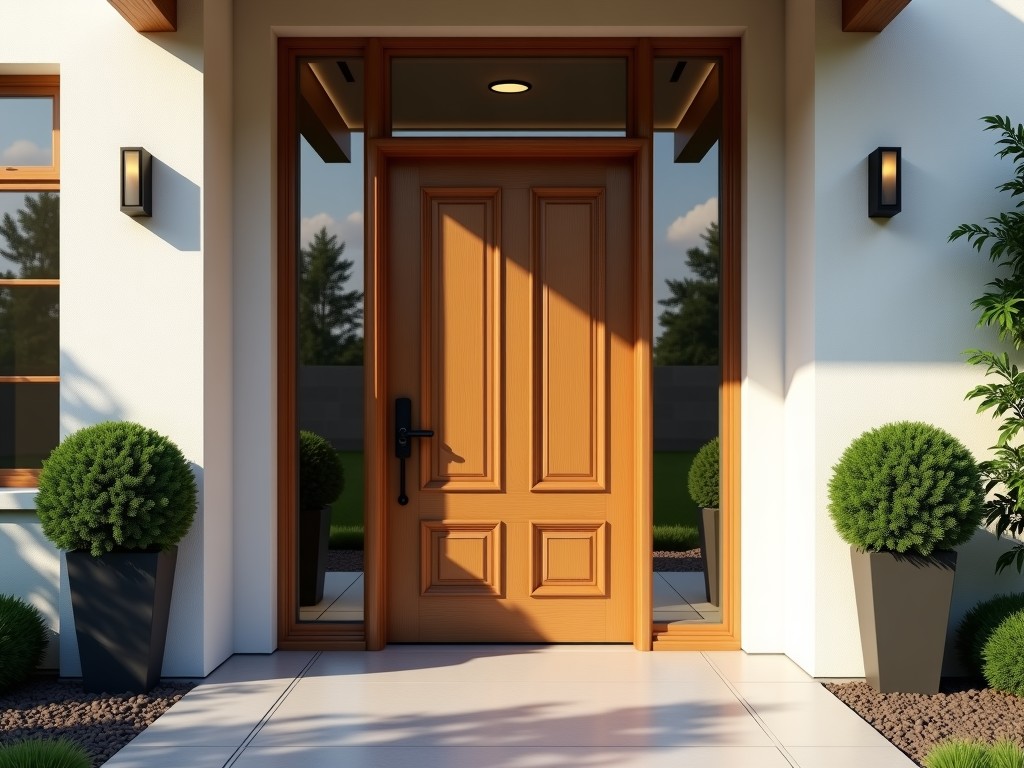
Hotel Entrance Door Systems for High-Traffic Hospitality Environments
Selecting the right entrance door for a hotel involves more than aesthetics—it impacts security, energy efficiency, guest experience, and long-term operational costs. This page details the engineering considerations behind durable, code-compliant hotel entrance door systems designed for continuous use in demanding hospitality settings.
Industry Challenge: Balancing Durability, Safety, and Design in Hotel Entrances
Hotel entrances face constant use, exposure to varying weather, and strict safety regulations. Doors must withstand impact, resist forced entry, maintain thermal performance, and support smooth egress during emergencies—all while aligning with architectural design goals. Failures in any of these areas can lead to safety hazards, increased HVAC loads, or non-compliance with local building codes.
Engineering Perspective: Core Performance Requirements
Effective hotel entrance doors integrate structural strength, weather sealing, and hardware reliability. Key performance factors include:
- Structural integrity under repeated cycling and wind load
- Air and water infiltration resistance per ASTM E283 and E331
- Thermal break effectiveness to reduce condensation and energy loss
- Hardware durability for high-cycle applications (typically 500,000+ operations)
- Compliance with egress and accessibility standards (ADA, IBC, NFPA 101)
Material Selection: Aluminum, Steel, and Glass Composites
Material choice affects longevity, maintenance, and thermal behavior. Common options include:
- Extruded aluminum frames (6063-T5 alloy) with polyamide thermal breaks for corrosion resistance and precision tolerances
- Cold-rolled steel reinforcements in high-impact zones for added rigidity
- Laminated or tempered glass panels meeting ANSI Z97.1 and CPSC 16 CFR 1201 safety standards
- Weatherstripping materials (EPDM, silicone, or pile) selected for compression set resistance and UV stability
Manufacturing Process: Precision Fabrication for Consistency
Doors are manufactured using CNC machining, automated sealing application, and precision hardware installation to ensure repeatable quality. Frame corners are typically joined via mechanical crimping or injection-bonded connectors to maintain alignment under stress. Glass is set using structural silicone or dry glazing methods depending on load requirements and sealant compatibility.
Performance Advantages: Designed for Hospitality Demands
These systems address specific pain points in hotel operations:
- Reduced air leakage lowers HVAC energy use by up to 15% in extreme climates
- Impact-resistant frames minimize damage from luggage carts and foot traffic
- Anti-corrosion finishes extend service life in coastal or humid environments
- Integrated access control compatibility (electronic strikes, magnetic locks, card readers)
- Low-maintenance hardware reduces service calls and downtime
Typical Specifications
| Parameter | Typical Range / Specification |
|---|---|
| Frame Depth | 45mm to 76mm (customizable) |
| Glass Thickness | 10mm to 25mm laminated or tempered |
| Air Infiltration (ASTM E283) | <0.5 L/s/m² at 75 Pa pressure |
| Water Resistance (ASTM E331) | No leakage at 300 Pa test pressure |
| Cycle Life (ANSI A156.2) | Grade 1: 1,000,000 operations |
| Finish Options | Anodized (clear, bronze, black), powder coat (RAL colors), PVDF |
Application Scenarios: Where These Systems Excel
Beyond main entrances, these door systems are suited for:
- Conference and event center entries requiring high acoustic performance
- Parking garage pedestrian interfaces exposed to vehicle exhaust and moisture
- Spa and pool access points with high humidity and chlorine exposure
- Service entrances needing heavy-duty hardware and forced-entry resistance
Customization Options: Tailoring to Project Needs
Manufacturers typically offer:
- Custom frame profiles to match architectural sightlines
- Integrated blinds or louvers within glazing cavities
- Fire-rated assemblies (up to 90 minutes) with certified hardware
- Low-threshold designs for barrier-free access
- Bolt-on mullions for multi-leaf or sidelight configurations
Packaging and Logistics: Protecting Finish and Alignment
To prevent damage during transit:
- Frames are wrapped in protective film and corner guards
- Glazed units are crated with A-frame supports and edge protection
- Hardware is packed separately to avoid finish marring
- Shipment includes installation drawings, shim kits, and sealant recommendations
Installation and Maintenance: Ensuring Long-Term Performance
Proper installation is critical for warranty validity and performance:
- Shim and level frame within tolerance before anchoring
- Apply continuous bead of compatible sealant at perimeter
- Adjust hardware for proper latch engagement and smooth operation
- Schedule annual inspection of weatherstripping, hinges, and closers
- Replace worn components with OEM-equivalent parts to maintain ratings
Quality Control: Consistency Across Production Runs
Reliable manufacturers implement:
- Incoming material verification (alloy composition, temper, coating thickness)
- Dimensional checks at key stages (cutting, machining, assembly)
- Functional testing of air/water resistance on sample units
- Cycle life validation on hardware sub-assemblies
- Final visual inspection for finish uniformity and glass quality
For project-specific requirements, including custom dimensions, material alternatives, or performance certifications, consult our engineering team to review your specifications.
Share your drawings or specifications for a customized proposal