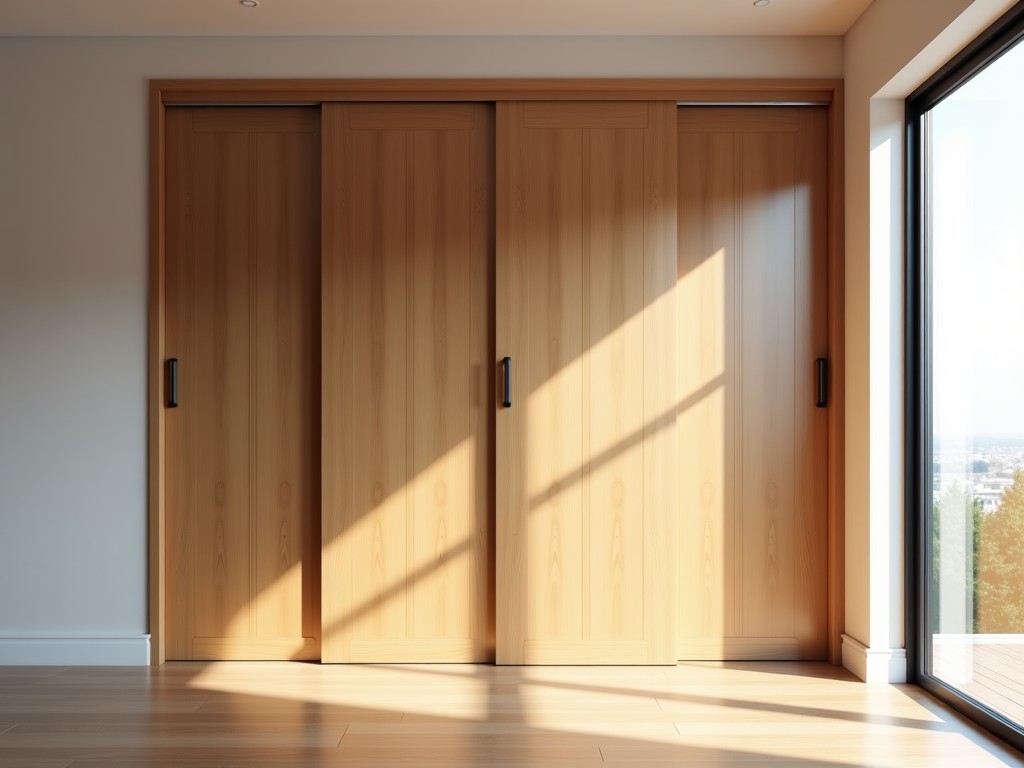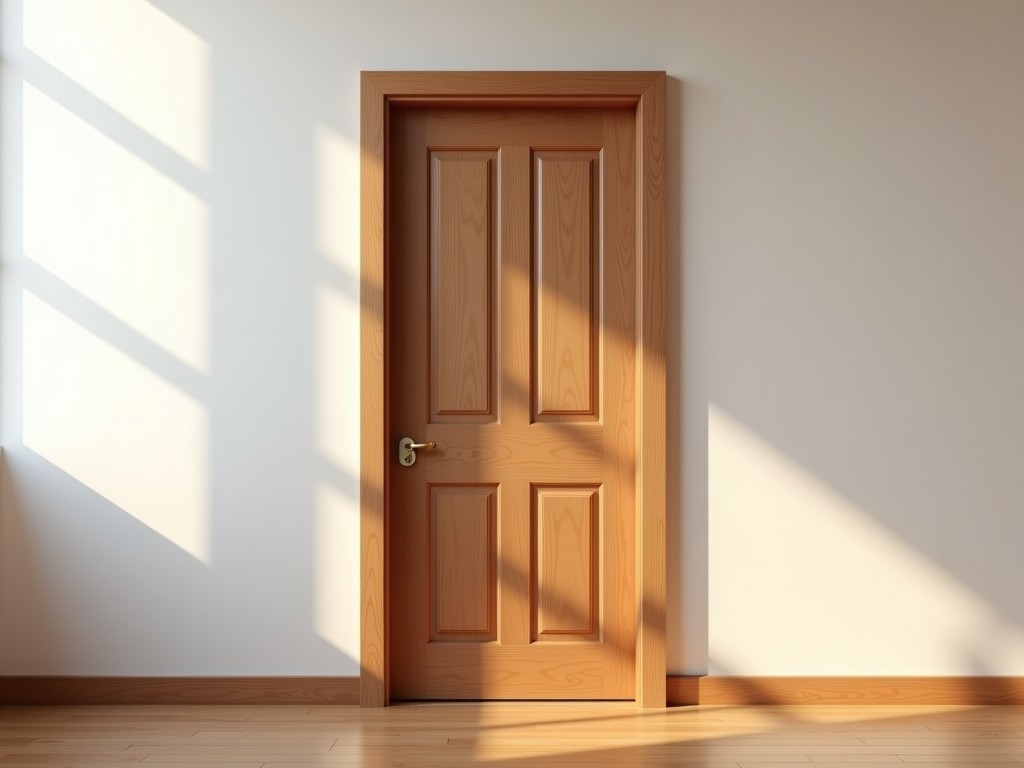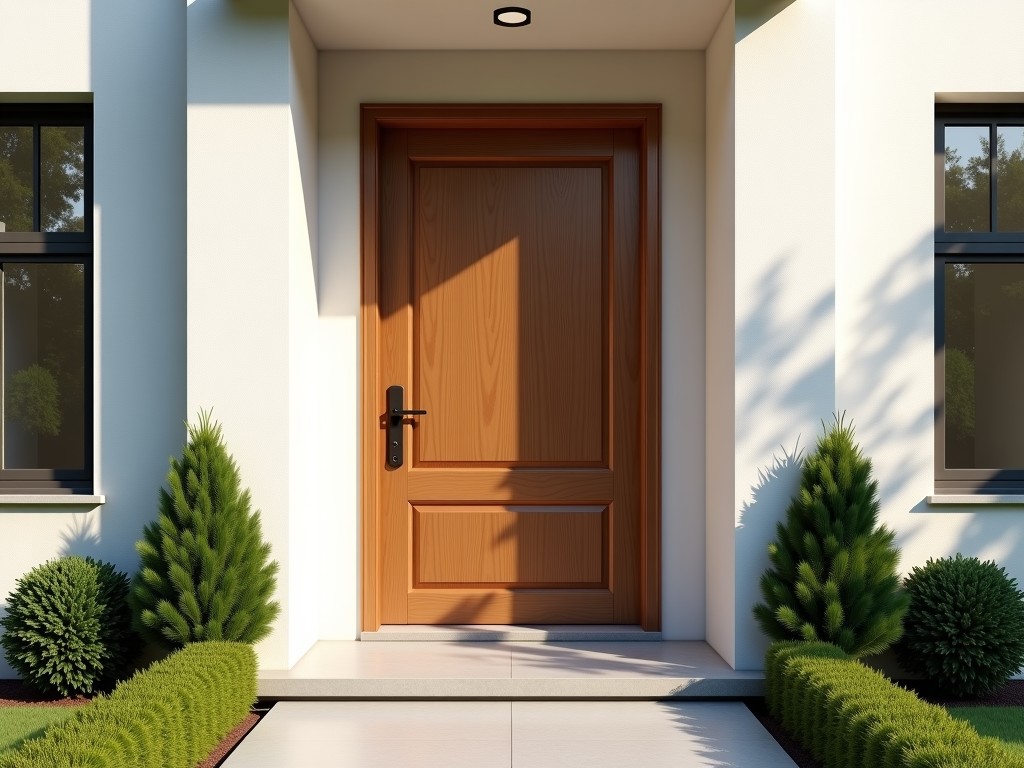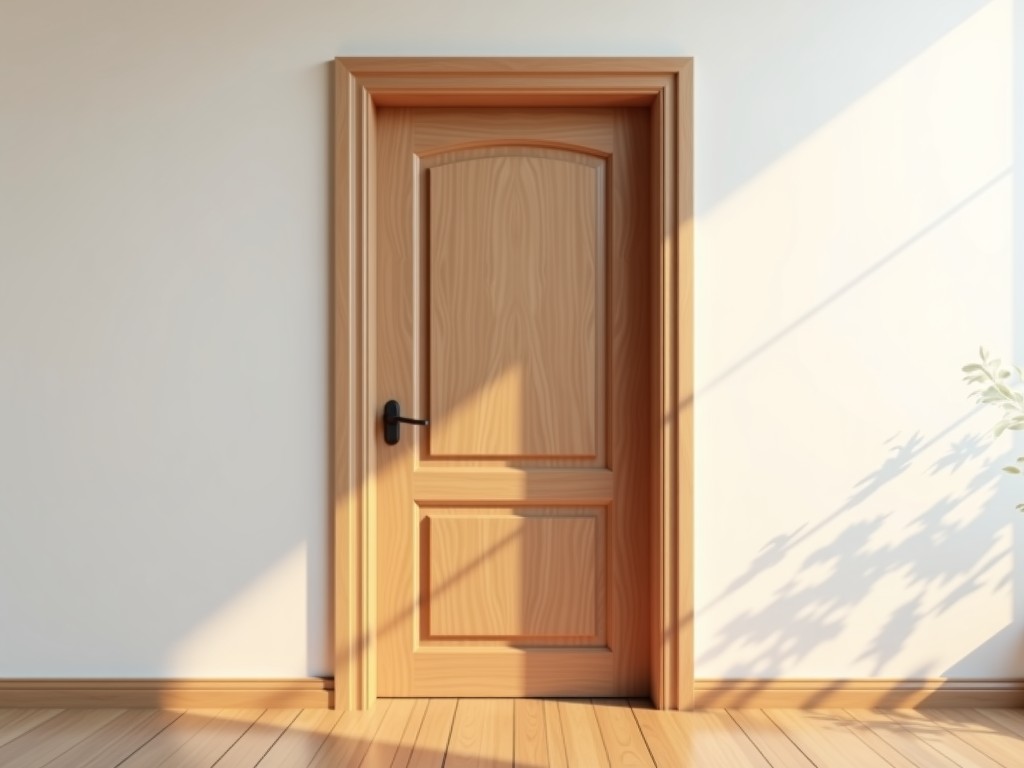
Laminate Wooden Doors Supplier
Laminate Wooden Doors Supplier
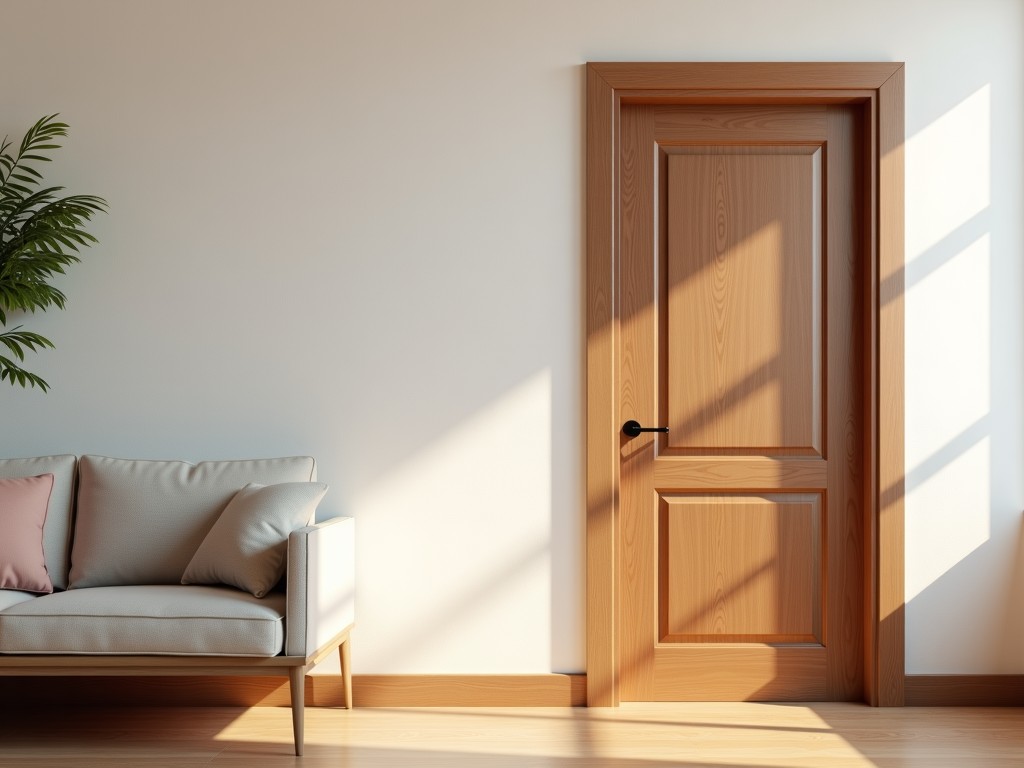
Laminate Wooden Doors Supplier
When specifying interior doors for commercial, institutional, or high-end residential projects, the choice between solid wood, hollow core, and laminate construction impacts long-term performance, maintenance schedules, and lifecycle costs. Laminate wooden doors offer a balanced solution where dimensional stability, surface durability, and design flexibility are critical—particularly in environments subject to fluctuating humidity, frequent cleaning, or heavy use.
Engineering Considerations in Laminate Door Construction
Unlike solid wood doors that may warp or twist under moisture stress, laminate wooden doors typically feature a engineered core—such as particleboard, MDF, or blockboard—bonded with high-pressure decorative laminate (HPDL) or low-pressure laminate (LPL) on both faces. This symmetrical construction minimizes internal stresses, reducing the likelihood of bowing or telegraphing of core imperfections through the surface.
The laminate layer itself is manufactured by impregnating kraft paper with melamine or phenolic resins, then fusing it under heat and pressure to create a hard, non-porous surface resistant to scratches, stains, and mild chemical exposure. Edge sealing—commonly with PVC, ABS, or matching laminate tape—is essential to prevent moisture ingress at vulnerable points, especially in bathrooms, kitchens, or laundry facilities.
Material Selection and Core Options
Core material selection directly affects weight, screw holding strength, fire resistance, and acoustic performance. For example:
- Particleboard cores provide cost-effective stability for low- to medium-traffic areas but have lower screw retention.
- MDF cores offer superior surface uniformity for routing or molding details and better fastener hold, though they are heavier and more susceptible to edge swelling if not properly sealed.
- Blockboard or stave cores, constructed from softwood strips, deliver higher impact resistance and improved screw holding, making them suitable for institutional doors requiring frequent hardware adjustments.
Fire-rated laminate doors require mineral-based cores or intumescent additives, with certification to standards such as BS 476 or EN 1634-1. These specifications must be confirmed during quoting, as laminate facings alone do not confer fire resistance.
Typical Specifications and Performance Characteristics
| Specification | Typical Range |
|---|---|
| Door Thickness | 35mm, 40mm, 45mm (custom thicknesses available) |
| Standard Heights | 1981mm, 2040mm, 2100mm (other sizes per project) |
| Standard Widths | 610mm, 762mm, 838mm, 914mm (custom widths available) |
| Laminate Thickness | 0.6mm–1.5mm HPDL; 0.2mm–0.5mm LPL |
| Edge Banding | PVC/ABS (0.5–2mm), wood veneer, or matching laminate |
| Weight (approx.) | 18–28 kg/m² depending on core and thickness |
| Fire Rating | Available in 30, 60, 90-minute ratings (core-dependent) |
Tolerances are typically held to ±1.5mm on dimensions and ±0.5mm on squareness, though tighter tolerances can be achieved with precision CNC cutting and controlled conditioning of raw materials. Surface finish consistency—measured by gloss units or color delta-E—is critical for architectural matching across multiple units.
Customization and OEM Capabilities
Beyond standard sizes and finishes, laminate doors support extensive customization:
- Custom laminate patterns—including woodgrains, solids, abstracts, or metallic finishes—sourced from global laminate manufacturers.
- Incorporation of vision panels, louvers, or acoustic inserts requiring precise core routing and reinforcement.
- Pre-machining for hardware: hinge mortises, lock faces, strike plates, and door closer reinforcements to client specifications.
- Matching edge profiles (square, radiused, or beveled) to align with architectural detailing.
Custom orders generally require approved shop drawings or CAD files, with lead times influenced by laminate availability, core material stock, and finishing schedules. Prototyping or sample approval is recommended for projects requiring exact color or texture matching.
Packaging, Logistics, and Damage Prevention
Laminate surfaces are susceptible to chipping and edge damage during handling. Standard packaging includes:
- Individual wrapping in polyethylene film to prevent surface abrasion.
- Corner protectors made of cardboard or plastic to shield vulnerable edges.
- Stacking on heat-treated pallets with interleaving sheets (kraft paper or corrugated board) between doors.
- Securing with polyester or polypropylene straps to prevent shifting during transit.
For export or long-distance transport, additional measures such as moisture-barrier wraps, crate packaging, or climate-controlled containers may be advised—particularly when shipping to regions with high humidity or significant temperature swings.
Quality Control and Inspection
Reliable suppliers implement multi-stage inspection:
- Incoming core material checks for density, moisture content, and flatness.
- Laminate adhesion testing (peel strength) to ensure bond integrity under stress.
- Post-lamination sanding and calibration to uniform thickness.
- Final visual inspection under standardized lighting (e.g., 5000K, 1000 lux) for surface defects, color consistency, and edge quality.
- Functional testing of pre-machined hardware points for alignment and depth.
Inspection reports, including adhesion test results and dimensional logs, are typically available upon request for OEM or specification-driven projects.
Application Suitability
Laminate wooden doors are widely specified in:
- Office buildings and corporate interiors where durability and ease of cleaning are priorities.
- Healthcare facilities requiring scratch-resistant, non-porous surfaces that withstand frequent disinfection.
- Educational institutions—classrooms, dormitories, and libraries—where impact resistance and low maintenance reduce lifecycle costs.
- Hospitality environments (hotels, cruise ships) needing consistent aesthetics across hundreds of units.
- Retail and commercial spaces benefiting from design flexibility and rapid installation.
They are less suited for exterior exposure or areas with prolonged water pooling unless specifically engineered with waterproof cores and marine-grade edge sealing.
Selection Guidance for Procurement and Engineering Teams
When evaluating suppliers, consider:
- Core material traceability and consistency—especially for fire-rated or acoustic requirements.
- Laminate brand and grade used (e.g., Formica, Wilsonart, Arauco, or equivalent), as performance varies significantly between suppliers.
- Edge sealing methodology and warranty against delamination.
- Capacity to handle custom sizes, pre-machining, and staggered delivery schedules.
- Experience with project-specific documentation: submittals, shop drawings, and compliance packages.
Requesting samples of actual production—not just laminate swatches—allows validation of finish quality, edge treatment, and weight. For repeat orders, maintaining a master sample helps ensure batch-to-batch consistency.
Share your drawings or specifications for a customized proposal.