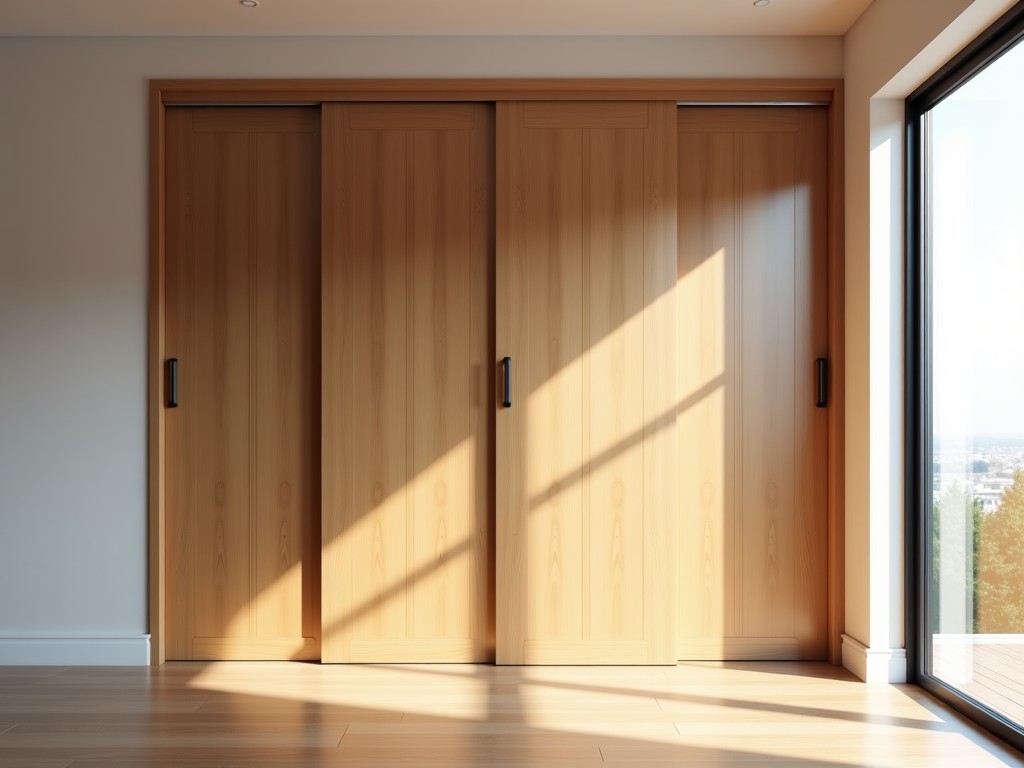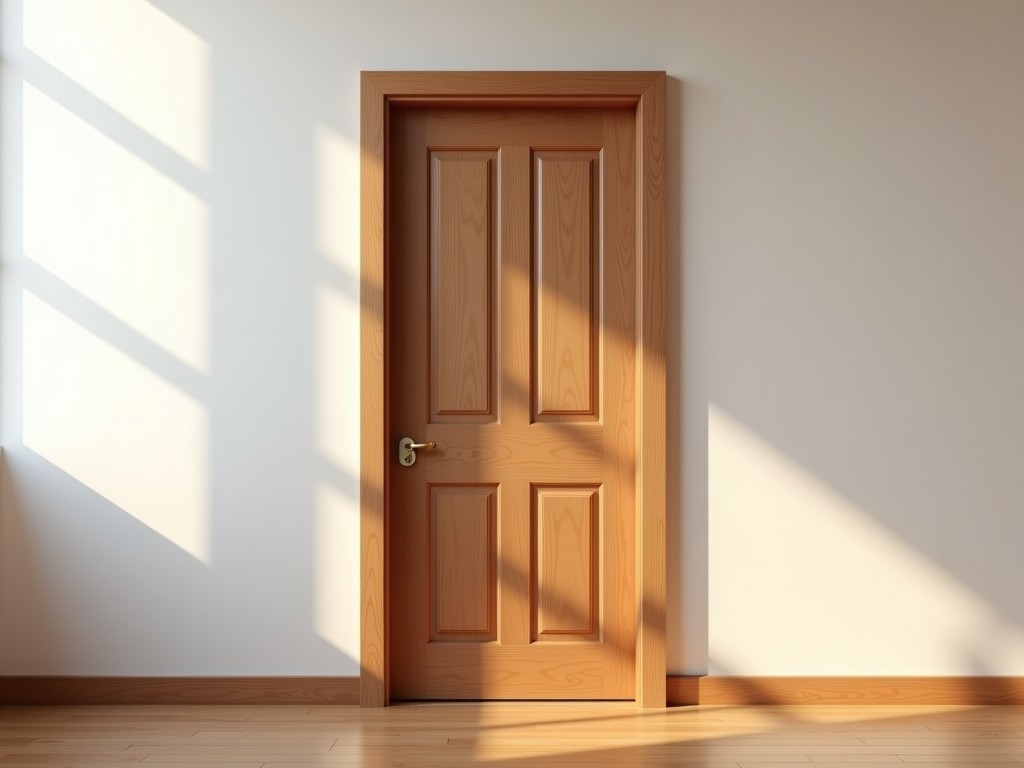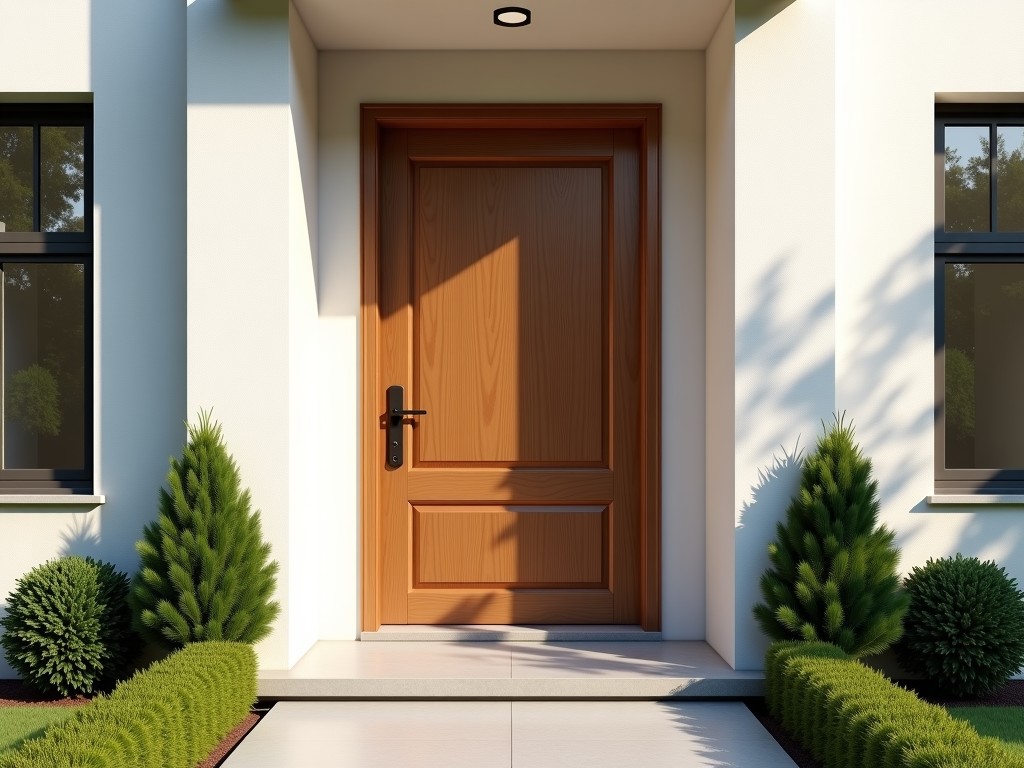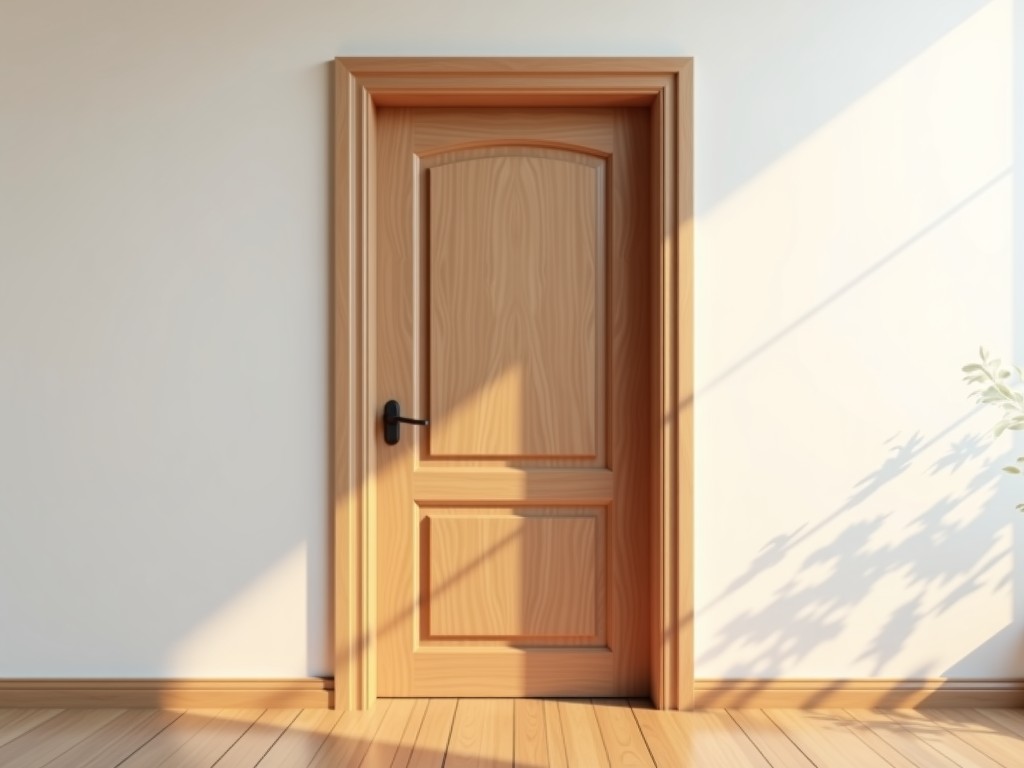
Mdf Painted Door Wholesale
Mdf Painted Door Wholesale
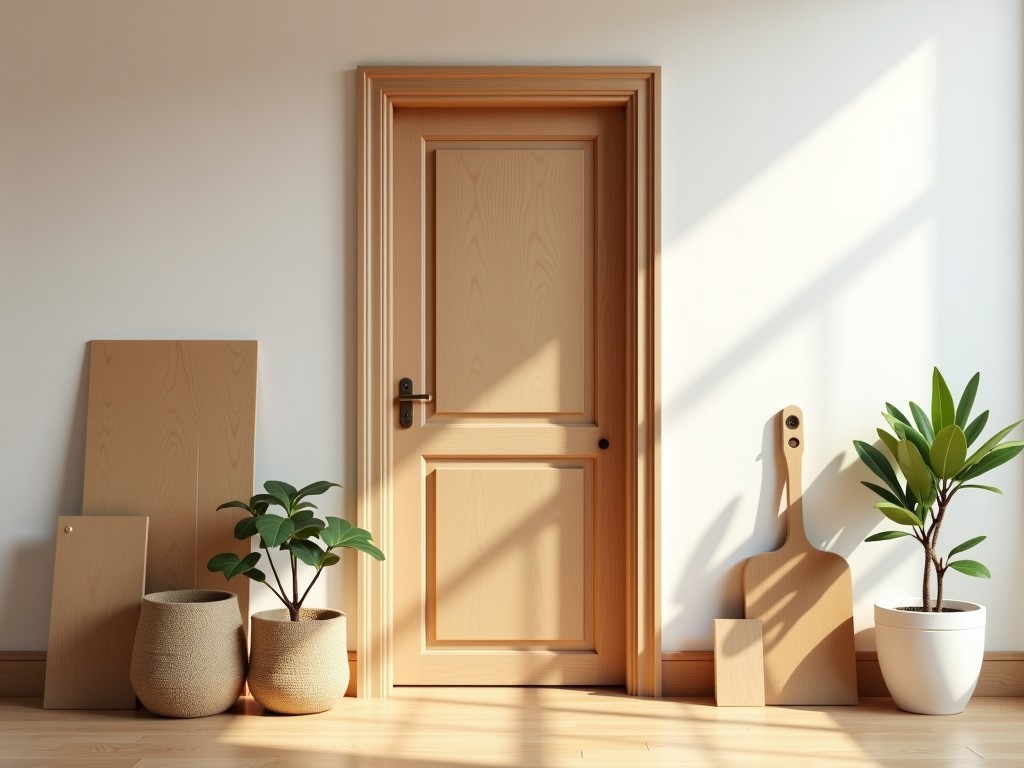
MDF Painted Door: Technical Overview for Industrial Applications
In environments where surface consistency and dimensional stability impact assembly line efficiency, selecting the correct door panel material affects both installation speed and long-term performance. Medium-density fiberboard (MDF) painted doors are commonly specified in controlled interior settings where uniformity, machinability, and finish quality are prioritized over exposure to moisture or structural load.
Unlike solid wood or veneer-faced alternatives, MDF provides a homogeneous substrate without grain direction or internal voids, reducing the risk of telegraphing through surface coatings. This characteristic is particularly valuable when high-gloss or textured finishes are required, as it minimizes the need for extensive sanding or priming between coats.
Material Composition and Manufacturing Process
The core material is manufactured from lignocellulosic fibers bonded with synthetic resin under heat and pressure, resulting in a panel with consistent density typically ranging from 600 to 800 kg/m³. This uniformity allows for precise CNC routing, drilling, and edge profiling without splintering or tear-out, which is essential for complex door designs involving muntins, panels, or integrated hardware recesses.
After shaping, the MDF substrate undergoes surface preparation involving sanding to achieve a smooth finish (typically Ra 0.4–0.6 μm), followed by application of a primer-sealer to minimize absorption and ensure even topcoat distribution. The painted finish is usually applied in multiple layers using UV-cured or water-based polyurethane systems, selected based on required hardness, chemical resistance, and VOC compliance for indoor environments.
Edge sealing is a critical step in the process, as unfinished MDF edges are more susceptible to moisture ingress. Depending on the application, edges may be coated with the same paint system, wrapped with PVC or ABS edging, or treated with a specialized sealant to maintain dimensional stability in humid conditions.
Dimensional Stability and Tolerance Control
One of the primary considerations for industrial buyers is how the door maintains its dimensions under varying environmental conditions. MDF exhibits low hygroscopic movement compared to solid wood, with typical thickness swelling of less than 5% when exposed to 80% relative humidity for 24 hours — a key factor in preventing warping or misalignment in framed installations.
Manufacturing tolerances are generally held to ±0.5 mm for thickness and ±1.5 mm for length and width, depending on panel size and production equipment. These values are suitable for most interior door frames and jamb systems, especially when paired with adjustable hinges or floating mullion designs that accommodate minor variations.
For OEM applications requiring tight repeatability — such as modular office partitions or healthcare facility interiors — suppliers often implement statistical process control (SPC) on pressing and sanding stages to minimize batch-to-batch variation. Custom tolerance bands can be discussed during quotation based on specific assembly requirements.
Surface Finish and Coating Performance
The painted surface is engineered to resist common forms of wear in commercial and institutional settings. Typical coatings achieve a pencil hardness of 2H–3H after full cure, providing resistance to light scratching from carts, equipment, or routine cleaning. Chemical resistance is evaluated using standardized methods; most systems withstand occasional exposure to alcohol-based cleaners and diluted detergents without delamination or whitening.
Color consistency is managed through spectrophotometric monitoring during production, ensuring Delta-E values below 1.5 between batches — a critical factor for large-scale projects where multiple doors are installed in adjacent spaces. Custom color matching to RAL, NCS, or proprietary standards is available upon receipt of a physical sample or digital specification.
Gloss levels can be tailored from matte (5–10 GU) to semi-gloss (30–40 GU) or high-gloss (70+ GU), depending on the aesthetic and maintenance requirements of the space. High-gloss finishes, while visually striking, may highlight surface imperfections and require stricter substrate preparation — a trade-off discussed during the design phase.
Typical Specifications
| Parameter | Typical Range / Value | Notes |
|---|---|---|
| Core Density | 600–800 kg/m³ | Affects screw holding weight and impact resistance |
| Thickness Tolerance | ±0.5 mm | Measured at 23°C/50% RH |
| Length/Width Tolerance | ±1.5 mm | For panels up to 2440 mm |
| Surface Hardness (Pencil) | 2H–3H | After full cure (7 days) |
| Gloss Range | 5–90 GU | Customizable per project |
| Edge Treatment | Painted, PVC/ABS, or sealed | Selected based on humidity exposure |
| Fire Rating (Optional) | Class B-s2, d0 (EN 13501-1) | Achieved via additive-treated MDF |
Application Scenarios
MDF painted doors are frequently specified in environments where aesthetic consistency and ease of maintenance outweigh the need for structural strength or outdoor durability. Common applications include interior partitions in office buildings, patient rooms and corridor systems in healthcare facilities, classroom and administrative doors in educational institutions, and retail fit-outs where brand-specific color matching is required.
In modular construction or prefabricated wall systems, the dimensional predictability of MDF reduces on-site adjustment time during installation. The material’s compatibility with standard woodworking tools allows for field modifications — such as trimming for floor clearance or drilling for electronic locks — without specialized equipment.
For projects involving repeated cleaning cycles, such as laboratories or food preparation areas, the non-porous painted surface resists moisture absorption and supports routine wipe-downs. However, these doors are not recommended for exterior use, high-humidity zones (e.g., saunas, indoor pools), or areas prone to direct water contact, where alternative materials like fiberglass-reinforced polymer or marine-grade plywood may be more suitable.
Customization and OEM Support
Manufacturers typically accommodate custom dimensions, cutouts for glass or louvers, hinge and lock preparations, and integrated ventilation grilles. CNC programming is derived from customer-supplied DXF or DWG files, enabling precise replication of complex profiles, including arched tops, staggered panels, or ornamental milling.
Lead times for standard configurations generally range from 10 to 18 working days after drawing approval, depending on order volume and factory capacity. Expedited schedules may be available for critical projects, subject to tooling availability and material lead times.
Minimum order quantities are often flexible for OEM clients, particularly when shared tooling or panel nesting optimizes material usage. Prototyping services — including sample doors with specified finish and edge treatment — are commonly offered to validate fit, function, and appearance before full production.
Packaging and Logistics
Finished doors are typically stacked horizontally on pallets with intermediate slip sheets and edge protectors to prevent surface abrasion during transit. Corner boards and stretch wrapping are used to stabilize the load, and humidity indicators may be included inside the packaging for long-distance or export shipments.
Pallet dimensions are optimized for standard container loading, with typical configurations holding 20–30 units per stack depending on door thickness and height. For projects requiring just-in-time delivery, suppliers often coordinate with logistics providers to stage inventory near the installation site, reducing on-site handling and storage risks.
Upon receipt, it is recommended to acclimate the doors to the installation environment for 48–72 hours before hanging, particularly in climates with significant seasonal variation. This step helps minimize post-installation movement due to residual moisture equilibration.
Quality Control and Inspection
Inspection protocols typically include visual assessment for surface defects (e.g., orange peel, pinholes, uneven gloss), dimensional verification using calibrated gauges, and adhesion testing via cross-hatch or pull-off methods to ensure coating integrity. Edge sealing effectiveness may be checked via moisture resistance tests or dye penetration, depending on customer requirements.
Many suppliers provide mill test reports or internal quality documentation upon request, detailing batch-specific data on density, thickness variation, and finish characteristics. Third-party inspections are also supported for regulated industries or projects with stringent compliance needs.
Warranty terms vary by manufacturer and application but generally cover coating delamination, cracking, or significant color fading under normal indoor use for a period of 1–5 years. These terms are project-specific and should be reviewed during the quotation phase to align with maintenance expectations and lifecycle planning.