Mdf Wooden Door Supplier
Mdf Wooden Door Supplier
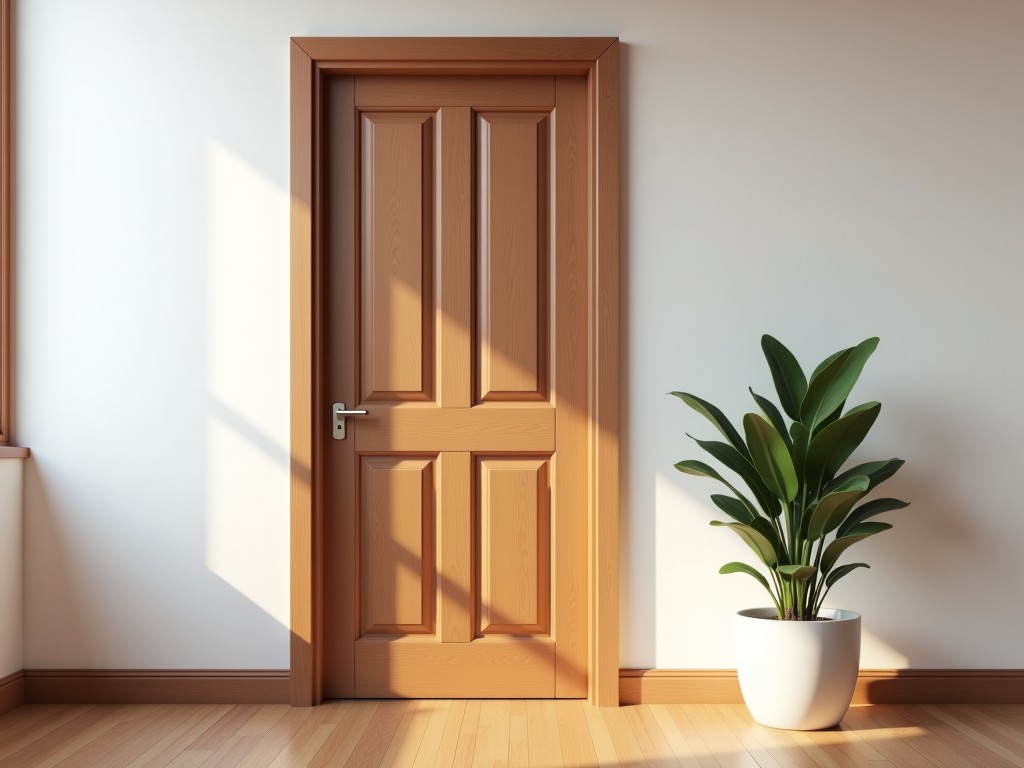
MDF Wooden Door Supplier – Engineered for Consistent Performance in Interior Applications
Medium-density fiberboard (MDF) doors are widely selected in commercial interiors, residential developments, and institutional buildings where dimensional stability, surface uniformity, and cost-effective finishing are critical. As a dedicated supplier of MDF wooden doors, we focus on delivering products that meet the precise demands of architects, contractors, and facility managers who require reliable performance across large-scale installations.
Unlike solid wood or particleboard alternatives, MDF provides a homogeneous core with minimal internal stress, reducing the risk of warping, twisting, or telegraphing of grain patterns under varying humidity conditions. This makes it particularly suitable for painted finishes, laminated overlays, or veneer applications where surface integrity directly impacts long-term appearance and maintenance cycles.
Material Selection and Core Properties
The foundation of any MDF door lies in the quality and consistency of the fiberboard core. We source MDF manufactured to international standards (such as EN 622-5 or equivalent), with density typically ranging from 650 to 800 kg/m³, depending on the intended application and required mechanical performance. This density range ensures sufficient screw holding strength for hardware installation while maintaining adequate machinability for routing, molding, and edge profiling.
Lower-density MDF may compromise fastener retention and impact resistance, while excessively high density increases tool wear and complicates finishing processes. Our material selection process evaluates not only density but also internal bond strength, modulus of rupture, and thickness swelling after 24-hour water immersion — key indicators of performance in environments with fluctuating moisture exposure, such as bathrooms, kitchens, or laundry areas.
For projects requiring enhanced moisture resistance, we offer MDF cores treated with paraffin wax and/or melamine-urea-formaldehyde (MUF) resins during manufacturing, which significantly reduce water absorption compared to standard UF-bonded boards. These variants are commonly specified in healthcare facilities, schools, and multi-unit housing where hygiene and durability are prioritized.
Manufacturing Process and Dimensional Control
Door production begins with precision cutting of MDF panels to specified dimensions using CNC saws equipped with laser guides, ensuring cut accuracy within ±0.5 mm for standard sizes. Edge preparation follows, where the raw MDF edges are either sealed with PVC or ABS edgebanding (typically 0.5–2.0 mm thick) or shaped through routing and priming for direct painting or laminating.
For flush doors, the core is often sandwiched between face skins — such as thin MDF, HDF, or decorative laminates — bonded using cold- or hot-press adhesives under controlled pressure and temperature. This sandwich construction enhances rigidity and reduces the likelihood of core creep over time. Panel-to-panel alignment and squareness are verified at multiple stages using optical measurement systems to maintain tolerances suitable for frameless hinge installation and consistent reveal gaps.
Surface finishing is conducted in environmentally controlled booths to minimize dust contamination and ensure uniform coating thickness. Whether applying primer, paint, UV coating, or melamine foil, each layer is cured under monitored conditions to achieve proper adhesion and hardness. We avoid off-gassing issues by using low-VOC finishes where required, supporting compliance with indoor air quality standards such as CARB Phase 2 or EPA TSCA Title VI.
Performance Advantages in Real-World Use
One of the primary reasons specifiers choose MDF doors is their predictable behavior during installation and throughout the product lifecycle. Unlike natural wood, which exhibits anisotropic movement, MDF expands and contracts uniformly in all directions, simplifying gap calculations and reducing the likelihood of binding or sticking after seasonal changes.
The smooth, pore-free surface of MDF allows for exceptional paint adhesion and finish quality — critical in high-visibility areas such as hotel corridors, office lobbies, or retail spaces. When properly primed and coated, MDF doors can achieve Class A fire ratings when combined with certified intumescent seals and fire-rated cores, making them suitable for compartmentation in accordance with local building codes.
Acoustic performance is another consideration in multi-residential or office environments. While standard MDF offers moderate sound transmission loss (STC), upgrading to a solid core or incorporating acoustic damping layers within the door assembly can significantly improve sound insulation — a detail often evaluated during the design phase of hotels, hospitals, or residential towers.
Typical Specifications
| Parameter | Typical Range / Option |
|---|---|
| Core Material | Standard MDF, Moisture-Resistant MDF, Fire-Retardant MDF |
| Density | 650–800 kg/m³ (application-dependent) |
| Thickness | 30mm, 35mm, 40mm, 45mm (customizable) |
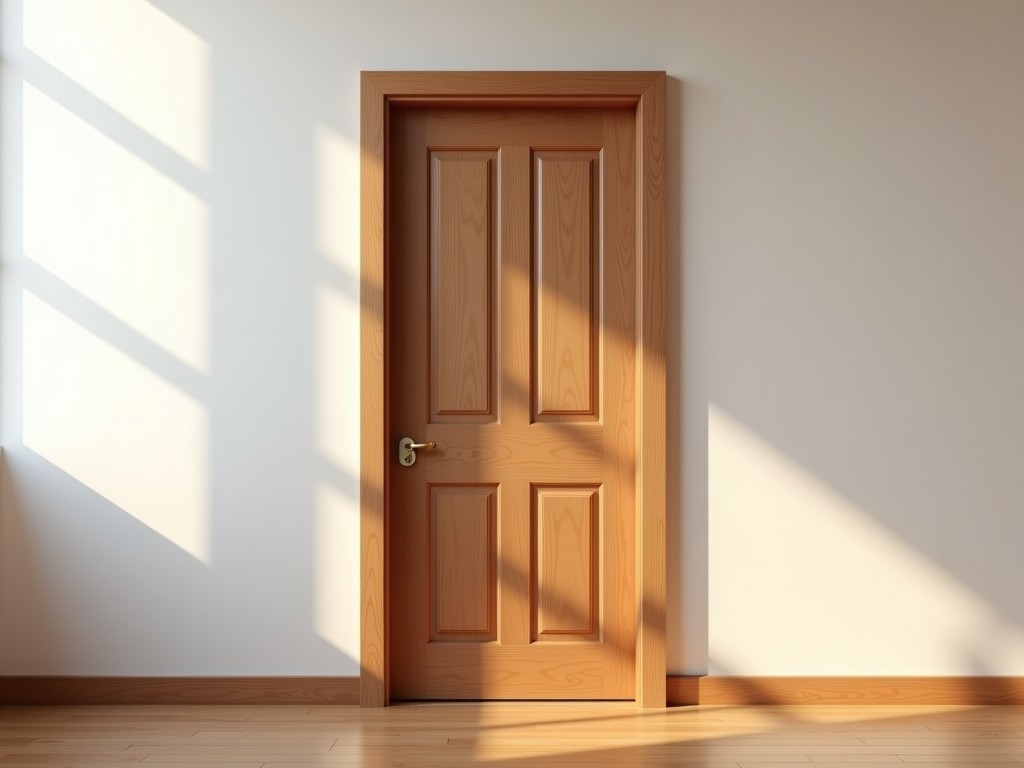
| Face Options | Primed for paint, PVC foil, melamine laminate, natural veneer |
| Edge Treatment | Edgebanded (PVC/ABS), routed & primed, laminated wrap |
| Standard Sizes | 2030×826mm, 2040×826mm, 2040×926mm (custom sizes available) |
| Finish Compatibility | Water-based paint, polyurethane, UV coating, low-VOC systems |
Customization and OEM Support
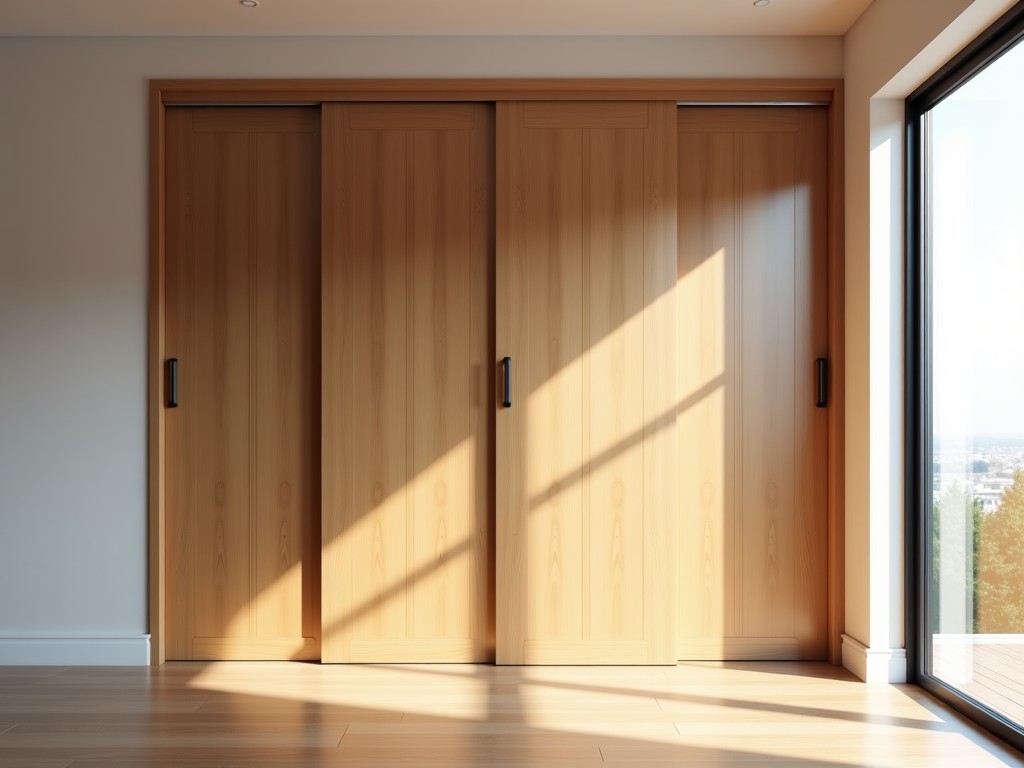
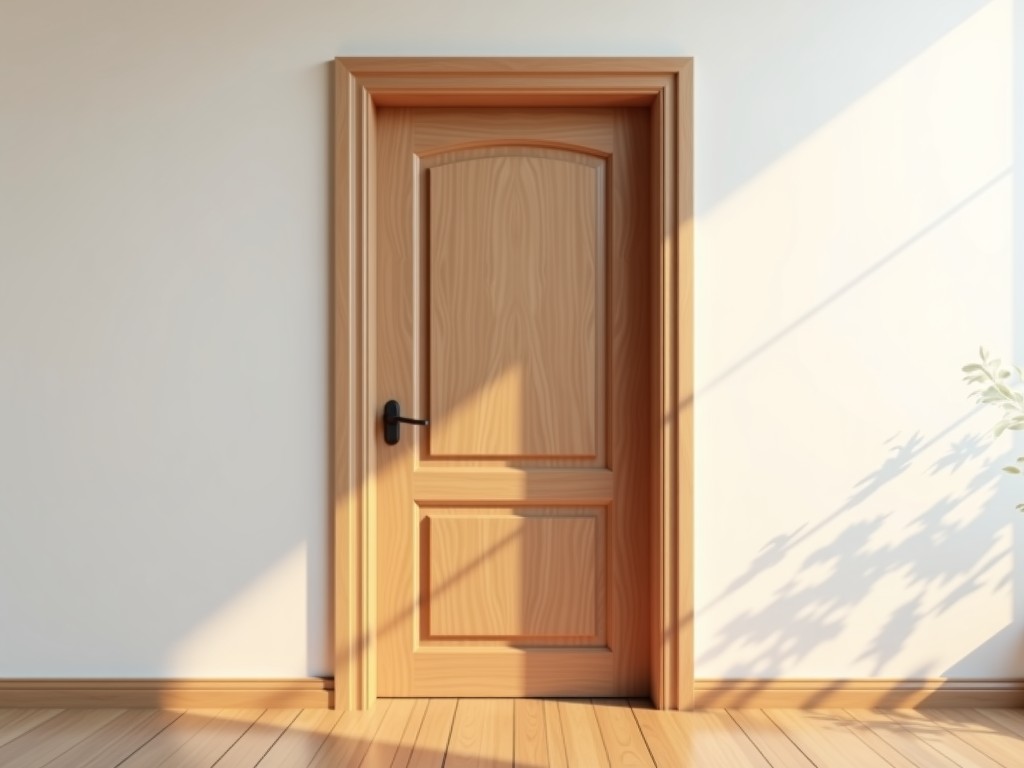
We recognize that no two projects are identical. Our engineering team works closely with designers and contractors to accommodate non-standard dimensions, custom profiles (such as shaker, raised panel, or sliding pocket configurations), and specialized hardware preparations — including mortises for electronic locks, door closers, or access control systems.
For OEM clients, we provide full design-for-manufacturability (DFM) feedback, helping to optimize door geometry for efficient nesting, minimal material waste, and streamlined assembly. Tooling costs are amortized over production volume, and we maintain flexibility to adjust specifications mid-project when justified by site conditions or performance testing.
Sample evaluation is available upon request, allowing technical teams to assess surface finish, edge quality, and dimensional accuracy before committing to full production. This step is particularly valuable when specifying doors for high-end finishes or where long-term maintenance contracts are involved.
Packaging, Logistics, and Quality Assurance
To prevent damage during transit, each door is individually wrapped in protective film and placed within corner-reinforced cardboard sleeves or rigid thermoformed trays, depending on quantity and destination. Palletized loads are stabilized with edge protectors and stretch film, and we provide container loading plans to maximize space utilization while minimizing handling points.
Quality control is performed at three critical stages: incoming material verification, in-process dimensional checks, and final inspection. Each batch undergoes sampling for thickness variation, diagonal difference, surface gloss (if applicable), and adhesion strength of finishes. Reports are available upon request, and we support third-party inspections when required by project specifications or import regulations.
Lead times are influenced by order complexity, material availability, and finishing requirements. Standard primed doors typically ship within 2–3 weeks after drawing approval, while custom finishes or laminated variants may require 4–6 weeks. We maintain transparent communication throughout the process, providing weekly updates and confirming readiness for shipment via pre-shipment photos or video.
When to Choose MDF Doors Over Alternatives
MDF doors are not universally optimal — their suitability depends on the specific demands of the application. In high-impact environments such as gymnasiums or industrial facilities, solid core or metal-faced doors may be preferable due to superior resistance to dents and punctures. Similarly, in exterior or high-moisture zones, fiberglass, steel, or properly treated hardwoods often outperform standard MDF.
However, for interior partitions, bedroom suites, office interiors, and hospitality corridors where appearance, finish quality, and cost efficiency are paramount, MDF offers a compelling balance of performance and value. Its uniformity reduces finishing labor, minimizes material waste, and supports consistent aesthetics across hundreds of units — a key advantage in large-scale developments where visual harmony affects perceived quality.
Ultimately, the decision should be based on a clear understanding of the operating environment, maintenance expectations, and lifecycle cost — not just initial price. We provide technical guidance to help evaluation teams compare options based on real-world performance data rather than marketing claims.
Discuss your project requirements with our engineering team. Share your drawings or specifications for a customized proposal.