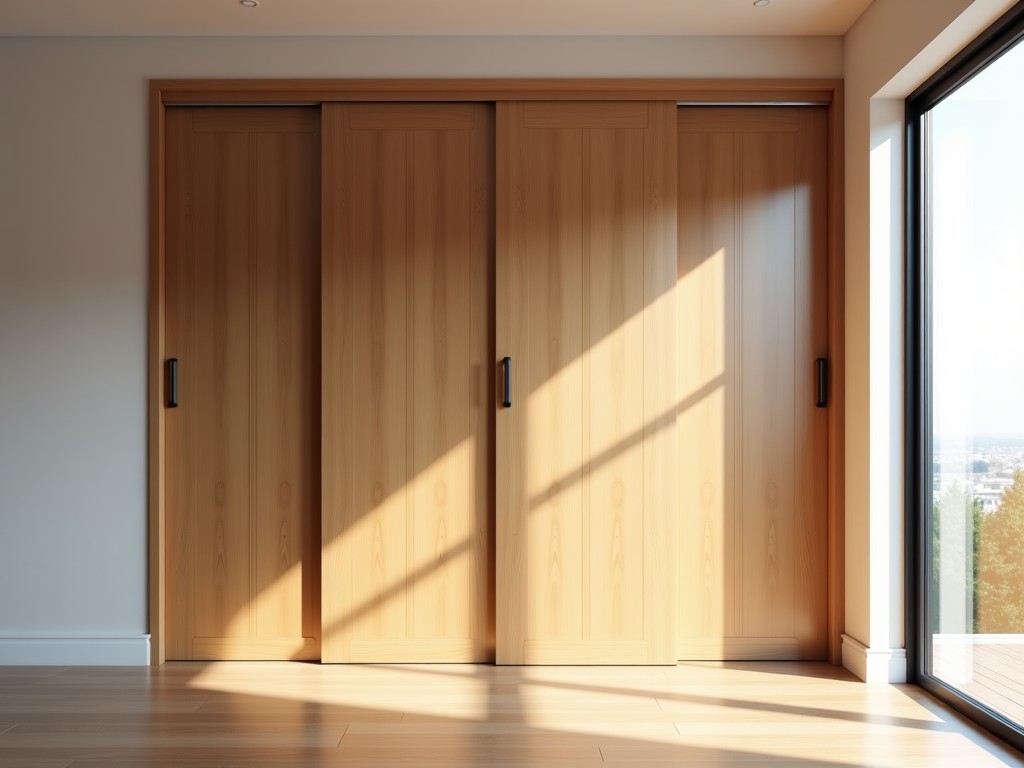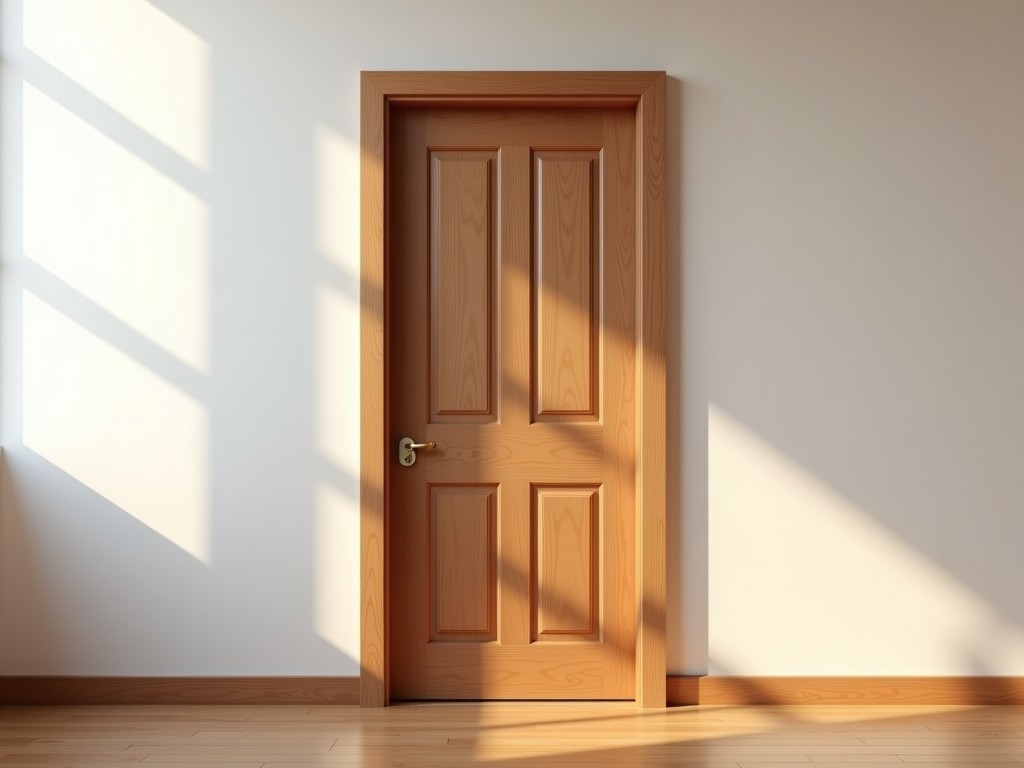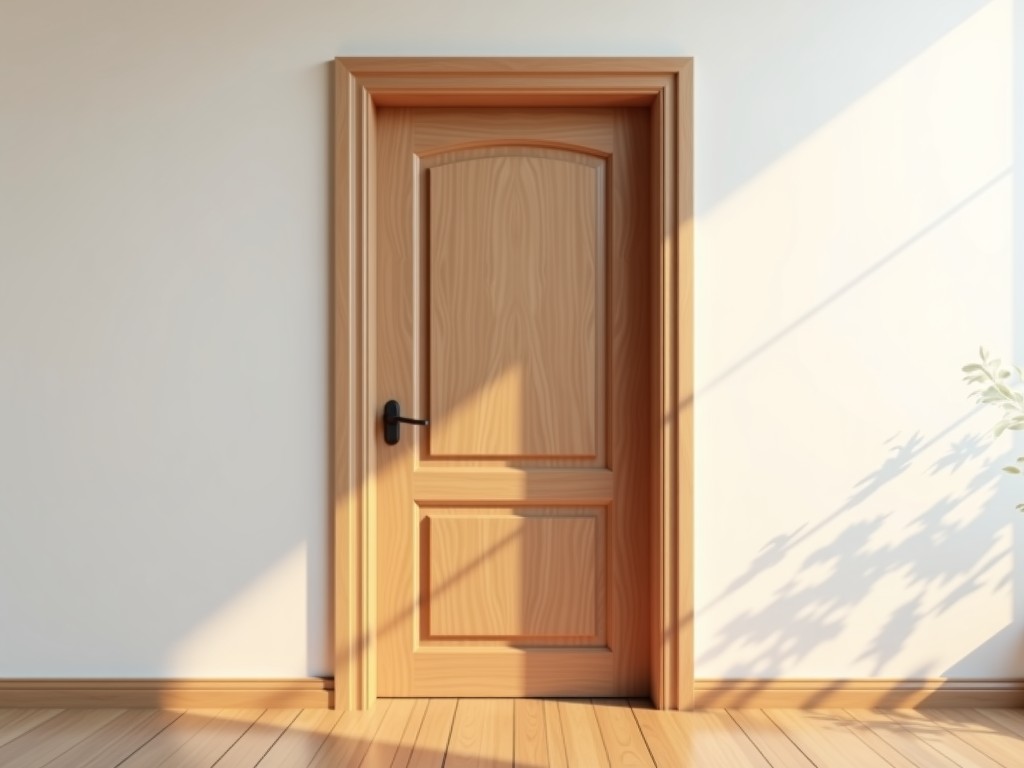
OEM Hotel Laminate Door
OEM Hotel Laminate Door
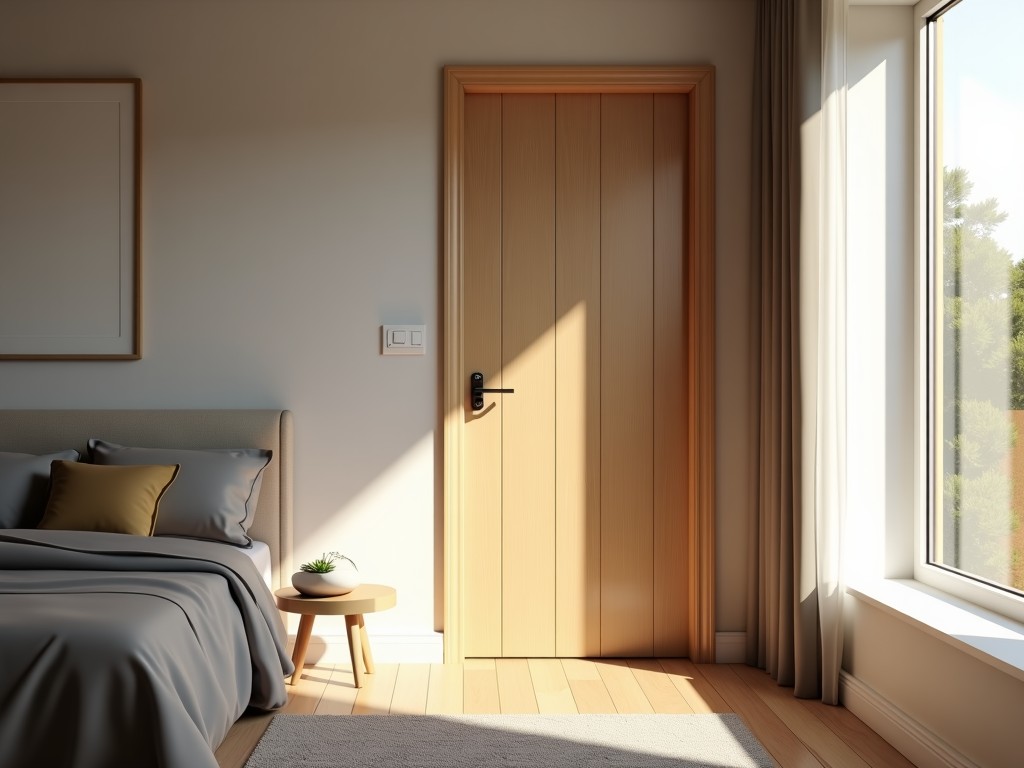
Hotel Laminate Door: Engineering Considerations for High-Traffic Hospitality Environments
In hospitality projects, interior doors face continuous mechanical stress, frequent cleaning cycles, and fluctuating humidity levels. Selecting a door system that maintains dimensional stability, surface integrity, and fire safety compliance over years of use requires understanding material behavior under cyclic loading and environmental exposure. Hotel laminate doors are engineered to address these specific demands through layered construction and performance-focused surface systems.
Material Selection and Core Construction
The performance of a hotel laminate door begins with its core. Common core materials include particleboard, MDF, and honeycomb structures, each chosen based on required weight, screw holding strength, and acoustic properties. Particleboard cores offer consistent density and good fastener retention for hardware installation, while honeycomb cores reduce overall weight without sacrificing bending resistance — beneficial in large-format doors where hinge load and frame stress are concerns. MDF cores provide superior surface uniformity for thin laminate layers but may require edge sealing in high-moisture zones.
Core thickness typically ranges from 30mm to 45mm, depending on door height and intended use. Fire-rated variants incorporate mineral-based additives or gypsum layers to achieve 30- or 60-minute fire resistance ratings, tested per EN 1634-1 or equivalent standards. The core must also resist swelling and delamination when exposed to intermittent moisture — a critical factor in bathrooms, laundry areas, and coastal properties.
Laminate Surface Systems and Wear Resistance
The decorative and protective surface is formed by applying high-pressure laminate (HPL) or continuous pressure laminate (CPL) sheets to the core and edges. HPL, manufactured under high pressure (>70 bar) and temperature (>140°C), provides superior impact, scratch, and stain resistance — essential in corridors and service areas subjected to luggage carts, cleaning equipment, and frequent contact. CPL offers a cost-effective alternative with good wear performance for lower-traffic zones like guest rooms.
Surface thickness is typically 0.6mm to 0.8mm for HPL, providing a durable barrier against abrasion and chemical exposure from disinfectants. Edge banding, usually PVC or ABS, is applied to seal the core and prevent moisture ingress. The bond between laminate and core is critical; delamination risk increases if adhesive coverage is incomplete or if the door undergoes rapid temperature cycling. Manufacturers often specify adhesive types (e.g., PVAc, contact cement) and curing conditions to ensure long-term bond integrity.
Dimensional Stability and Tolerance Control
Door warping, twisting, or bowing can compromise seal integrity, latch alignment, and visual consistency — issues that become magnified in large installations. To minimize movement, manufacturers balance laminate layers on both faces and edges, ensuring symmetric moisture response. Core materials are conditioned to equilibrium moisture content (EMC) before pressing, typically stabilized at 8–12% relative humidity for indoor use.
Tolerances for thickness, width, and height are generally held within ±1.5mm for standard production, with tighter control (±0.5mm) available for projects requiring precise frame alignment or automated installation. Squareness and flatness are verified using dial indicators or laser scanning, with acceptable deviation usually under 2mm per meter. These controls are especially important in projects with concealed hinges or magnetic locks, where even minor misalignment affects function.
Fire Safety and Compliance Considerations
In hospitality buildings, interior doors often serve as components of fire compartmentation systems. Laminate doors intended for fire-rated applications must incorporate fire-retardant treated cores or mineral cores and be tested as part of a complete door assembly (including frame, hinges, locks, and seals). The laminate surface itself contributes minimally to fire resistance but must not accelerate flame spread or produce excessive smoke.
Common classifications include E, EW, and EI ratings per EN 13501-2, indicating performance in integrity, radiation containment, and insulation. Door assemblies are typically tested with specific hardware configurations; changing hinges, locks, or glazing may invalidate the certification. Procurement teams should verify that the supplied door matches the tested assembly in core material, thickness, edge treatment, and hardware placement.
Typical Specifications
| Parameter | Typical Range / Value | Notes |
|---|---|---|
| Core Material | Particleboard, MDF, Honeycomb | Selection based on weight, strength, moisture resistance |
| Core Thickness | 30–45 mm | Increases with door height and fire rating |
| Laminate Type | HPL (0.6–0.8 mm), CPL (0.2–0.5 mm) | HPL preferred for high-traffic zones |
| Door Thickness | 35–50 mm | Includes core and laminate layers |
| Fire Rating | 30 min, 60 min (E, EW, EI) | Dependent on core and assembly |
| Edge Banding | PVC, ABS, 0.5–2.0 mm | Seals core, prevents moisture ingress |
| Tolerance (Width/Height) | ±1.5 mm (standard), ±0.5 mm (precision) | Critical for frame alignment |
Application-Specific Selection Guidance
In guest rooms, where aesthetics and acoustic privacy are priorities, a 35mm thick door with MDF core and CPL surface offers a smooth finish and adequate sound reduction (typically 25–30 dB Rw). For service corridors, laundry areas, or staff zones, HPL-surfaced doors with particleboard or honeycomb cores provide superior impact resistance and durability under frequent use. Fire-rated doors in stairwells or elevator lobbies require certified assemblies with mineral cores and intumescent seals — surface finish must not compromise the fire barrier.
Humidity exposure varies by location. Interior doors in dry climates may perform well with standard cores, while coastal or tropical properties benefit from moisture-resistant (MR) grade cores or additional edge sealing. Projects with strict sustainability goals may specify FSC-certified cores or low-formaldehyde (E0/E1) laminate systems to meet indoor air quality requirements.
Customization and Project Integration
Hotel projects often require non-standard dimensions, custom laminates, or integrated hardware cutouts. Manufacturers accommodate these needs through CNC routing for precise lock, hinge, and glazing preparations. Custom laminate patterns — including woodgrains, solids, or branded designs — are achievable via HPL sheets printed to specification. Lead times for customized doors typically range from 3 to 6 weeks, depending on core availability, laminate sourcing, and order volume.
Packaging for export or long-distance transport includes edge protection, corner guards, and moisture-barrier wrapping to prevent damage during handling. Doors are usually stacked flat on pallets with interleaving sheets to avoid surface abrasion. For projects requiring phased delivery, manufacturers can schedule production batches aligned with construction timelines.
Quality Control and Inspection
Consistent quality begins with raw material inspection — core density, moisture content, and laminate thickness are verified before pressing. During production, adhesive spread rate, press pressure, and temperature cycles are monitored to ensure uniform bonding. Final inspection includes dimensional checks, surface defect assessment (scratches, bubbles, delamination), and functional testing of hardware clearances.
For fire-rated doors, documentation includes test reports, field application guidelines, and traceability labels. Buyers should request copies of relevant certifications and verify that the door assembly matches the tested configuration. While visual appearance is important, long-term performance depends more on core stability, bond integrity, and compliance with fire and safety standards — factors that are not always visible but critical to project success.
Engineered for the demands of hospitality environments, hotel laminate doors balance durability, safety, and design flexibility. Understanding the interaction between core materials, laminate systems, and environmental factors enables informed selection that supports both short-term installation and long-term performance.
Share your project specifications, including door dimensions, fire rating requirements, and laminate preferences, for a detailed technical review and customized proposal.
Submit Project Details